Radial Nerve Palsy is a condition that affects the movement and sensation of the hand, wrist, and fingers. It can lead to wrist drop, weakness, numbness, and difficulty performing daily activities. Early diagnosis and the right treatment are essential for full recovery. This Blog guide explains Radial nerve palsy causes, symptoms, diagnosis, and the latest ulnar …

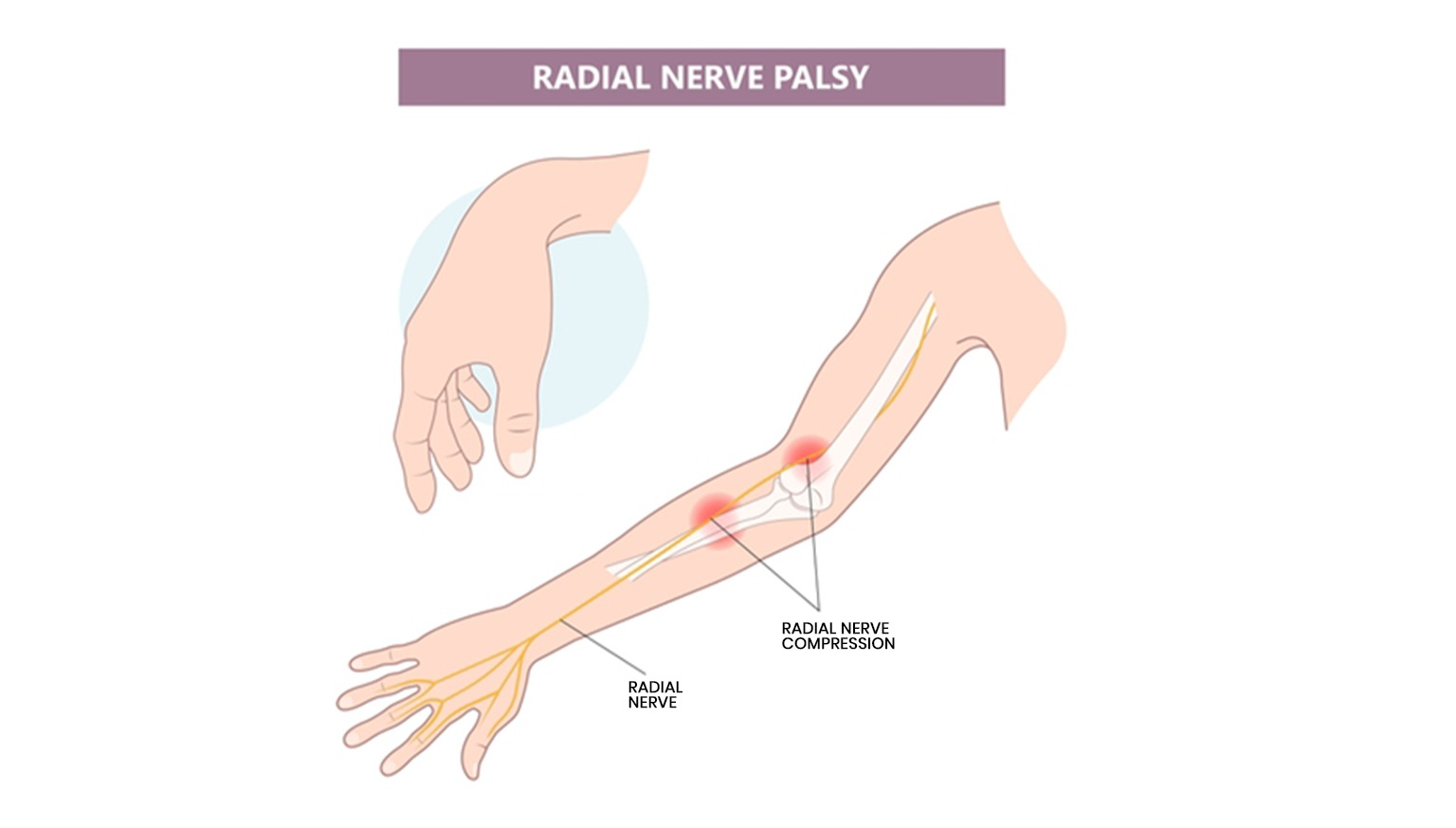
Radial Nerve Palsy is a condition that affects the movement and sensation of the hand, wrist, and fingers. It can lead to wrist drop, weakness, numbness, and difficulty performing daily activities. Early diagnosis and the right treatment are essential for full recovery.
This Blog guide explains Radial nerve palsy causes, symptoms, diagnosis, and the latest ulnar nerve palsy treatment options, in simple terms for easy understanding.
If you are searching for advanced and reliable treatment, Dr. Anubhav Gupta, widely known as one of the best hand surgeons in Delhi, offers specialized care for radial nerve injuries and other nerve-related conditions.
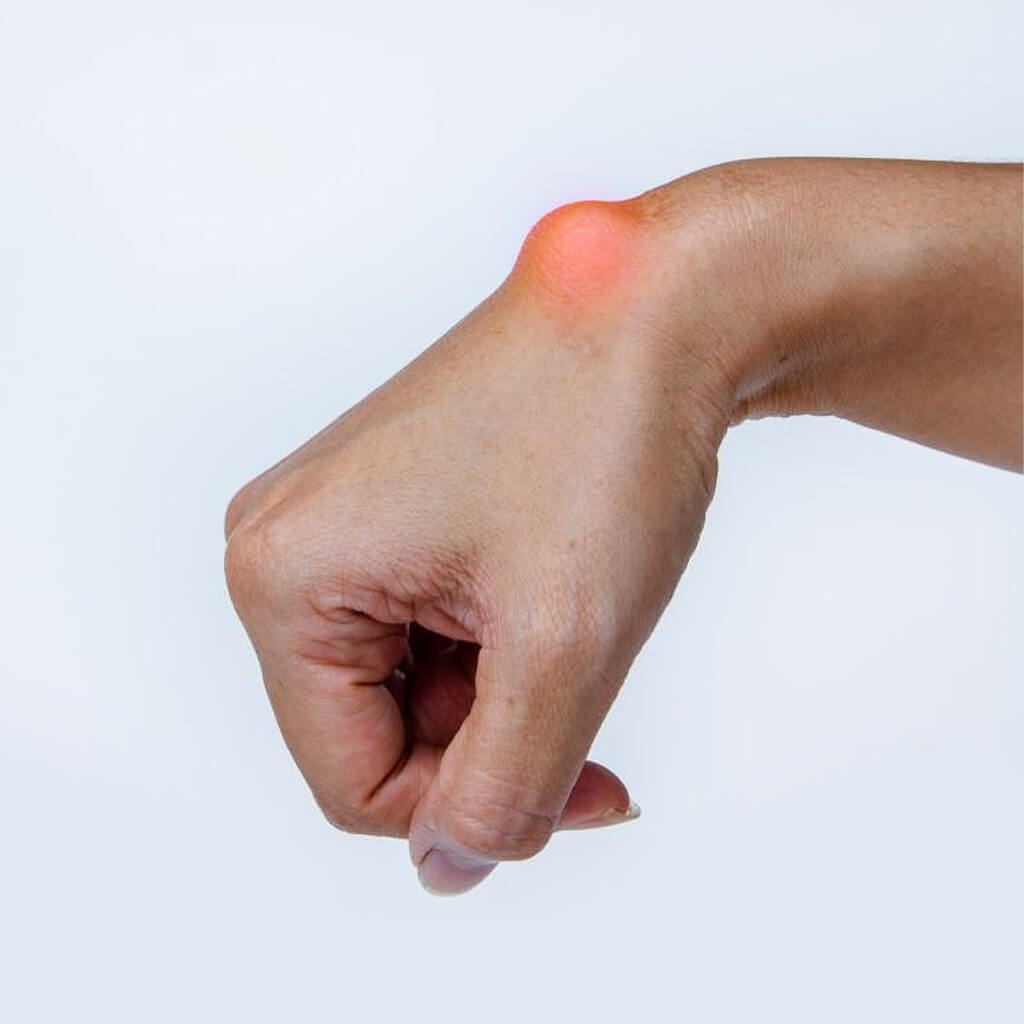
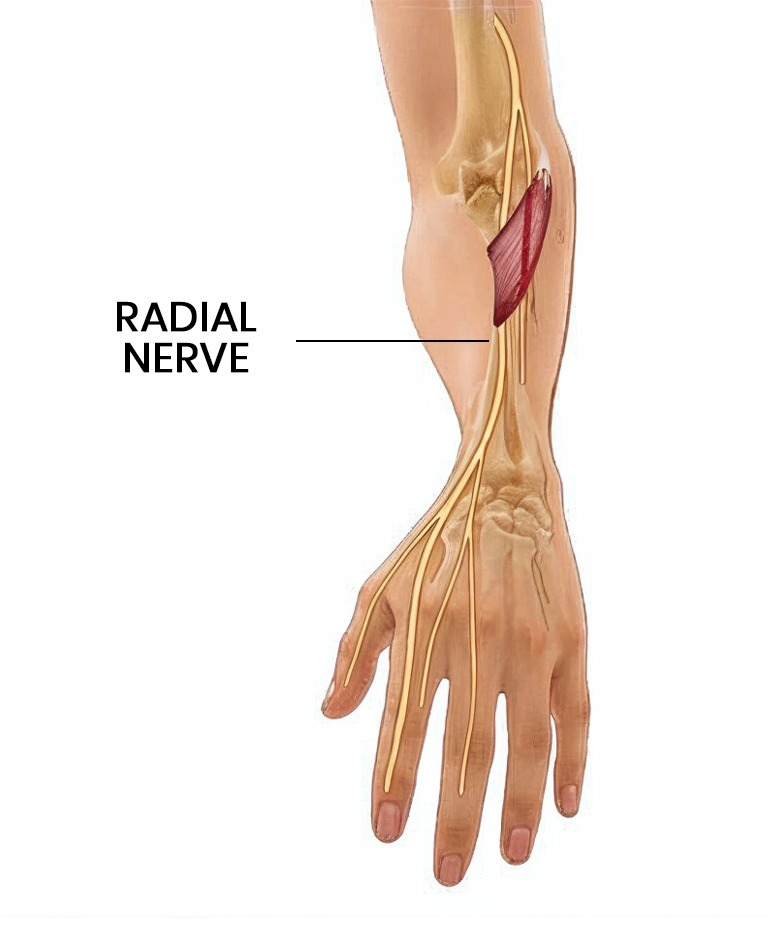
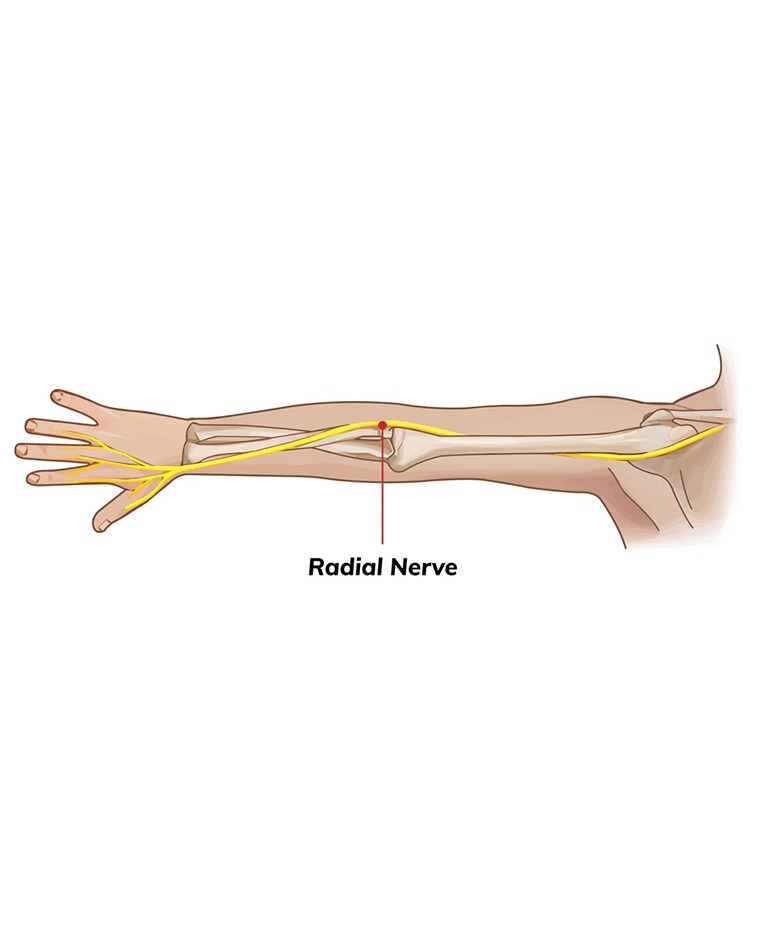
What is Radial Nerve Palsy? Radial nerve palsy occurs when the radial nerve is compressed, stretched, or damaged. The radial nerve controls: Wrist extension Finger movement Thumb movement Sensation on the back of the hand When this nerve is injured, it can result in loss of movement and sensation, especially causing a condition known as wrist drop.
Causes of Radial Nerve Palsy
Radial nerve injury can happen due to several reasons:
1. Trauma or Injury
-
Fracture of the humerus (upper arm bone)
-
Road accidents
-
Sports injuries
-
Deep cuts or penetrating wounds
2. Compression (Pressure Injury)
-
Sleeping with the arm under the head (Saturday night palsy)
-
Tight casts or splints
-
Prolonged pressure during surgery
3. Medical Conditions
-
Diabetes
-
Infections
-
Tumors compressing the nerve
If the injury is severe or left untreated, it can lead to long-term weakness or permanent nerve damage.
Common Symptoms of Radial Nerve Palsy
Common symptoms include:
- Wrist drop (inability to lift the wrist)
- Difficulty straightening fingers
- Weak grip strength
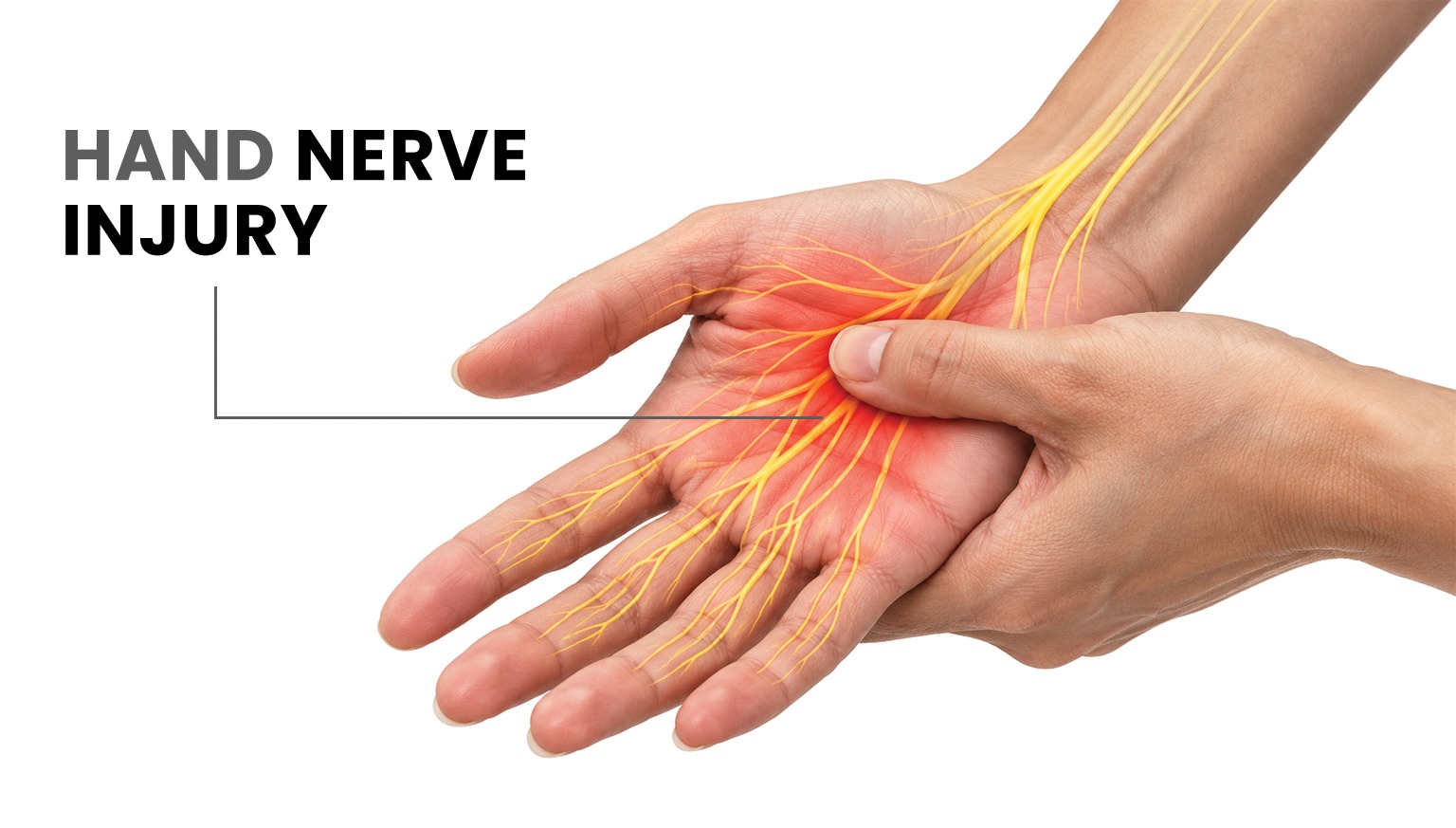
- Numbness in the back of the hand
- Tingling or burning sensation
- Muscle weakness in forearm
Tendon transfer surgery in Delhi at Plastic Surgery Delhi restores hand and wrist function when nerve or tendon injuries have caused loss of movement. Under the expert care of Dr. Anubhav Gupta, hand function is rebuilt using advanced microsurgical techniques, personalized rehabilitation and proven results.
Breast augmentation surgery in Delhi is a popular cosmetic treatment that helps women improve the size, shape, and symmetry of their breasts. At Plastic Surgery Delhi, Dr. Anubhav Gupta, a leading plastic & cosmetic surgeon, offers breast implant and fat transfer procedures that give natural-looking & long-lasting results
Radial nerve palsy treatment in Delhi focuses on relieving nerve compression, repairing nerve damage, and restoring wrist and hand movement. Dr. Anubhav Gupta, an experienced hand specialist in Delhi, offers personalized and effective treatments for long-term nerve recovery.
HOW IS Radial NERVE PALSY DIAGNOSED?
Diagnosis is based on clinical examination and tests.
Diagnosis of Radial Nerve Injury
An experienced hand surgeon performs:
-
Physical examination
-
Nerve conduction studies (NCS)
-
Electromyography (EMG)
-
X-rays (to detect fractures)
-
MRI (in complex cases)
Proper diagnosis helps decide whether the patient needs conservative treatment or surgery.
According to Dr. Anubhav Gupta, one of the best hand surgeons in Delhi, early and accurate diagnosis is the key to preventing permanent nerve damage and restoring hand function.
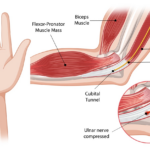
TREATMENT OPTIONS FOR Ulnar NERVE PALSY
Treatment depends on the severity, cause, and duration of nerve damage.
1. Non-Surgical Treatment (Mild to Moderate Cases)
In many cases, radial nerve palsy improves naturally within weeks to months.
Treatment may include:
-
Wrist splints to support hand position
-
Physiotherapy and nerve stimulation
-
Anti-inflammatory medications
-
Occupational therapy
-
Regular monitoring
2. Surgical Treatment (Severe Cases)
If there is no improvement within 3–6 months, surgery may be required.
Surgical options include:
-
Nerve repair
-
Nerve grafting
-
Nerve decompression
Dr. Anubhav Gupta uses advanced microsurgical techniques to ensure better recovery outcomes.
Recovery Time for Radial Nerve Palsy
Recovery depends on:
-
Severity of injury
-
Type of treatment
-
Patient’s overall health
General Recovery Timeline:
-
Mild compression: 6–12 weeks
-
Moderate injury: 3–6 months
-
Severe injury (post-surgery): 6–12 months
Regular physiotherapy plays a key role in regaining strength and movement.
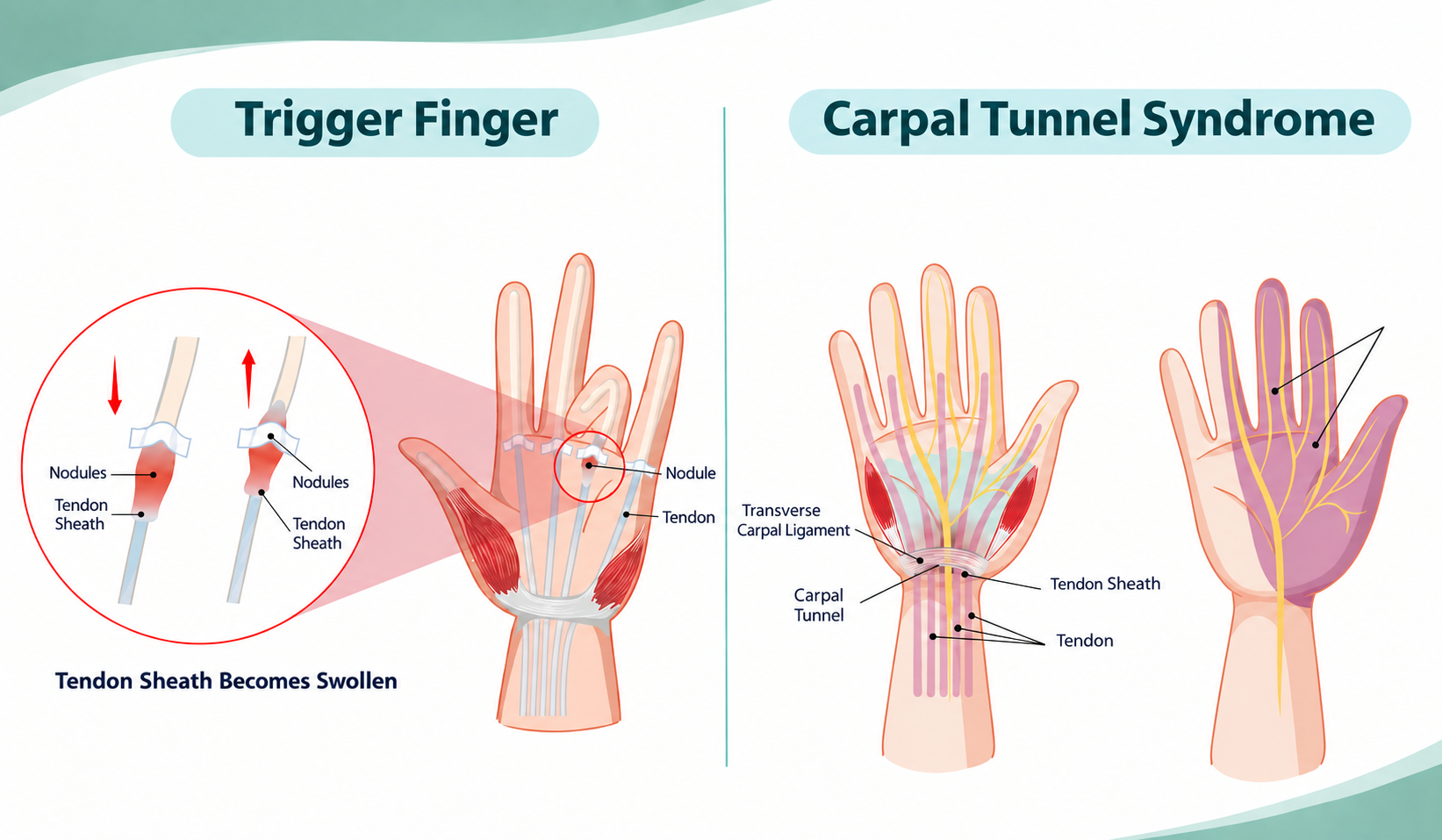
Radial Nerve Palsy vs Ulnar Nerve Palsy vs Carpal Tunnel Syndrome
| Feature | Radial Nerve Palsy | Ulnar Nerve Palsy | Carpal Tunnel Syndrome |
|---|---|---|---|
| Affected Nerve | Radial nerve | Ulnar nerve | Median nerve |
| Common Site of Problem | Upper arm (humerus), forearm | Elbow (cubital tunnel) or wrist | Wrist (carpal tunnel) |
| Main Cause | Trauma, fracture, nerve compression | Elbow pressure, trauma, nerve entrapment | Compression of median nerve at wrist |
| Typical Deformity | Wrist drop | Clawing of ring & little finger | No visible deformity (early stage) |
| Weak Movements | Cannot extend wrist & fingers | Weak grip, difficulty spreading fingers | Weak thumb movement |
| Affected Fingers | Back of hand, thumb, index | Ring & little finger | Thumb, index, middle & half of ring finger |
| Sensory Symptoms | Numbness on back of hand | Numbness in little finger & half ring finger | Numbness in thumb, index, middle finger |
| Pain Location | Forearm or upper arm | Inner side of elbow | Wrist & palm |
| Common Sign | Wrist drop | Claw hand | Night pain & tingling |
| Treatment | Splint, physiotherapy, nerve repair surgery (if severe) | Elbow splint, nerve decompression surgery | Wrist splint, steroid injection, carpal tunnel release surgery |
| Recovery Time | 3–6 months (depends on severity) | 3–6 months | Few weeks to months |
Other Nerve Injuries Related to Palsy
Radial nerve palsy is one of many nerve injuries affecting the upper limb. Other related conditions include:
If you are experiencing symptoms of hand numbness, weakness, or nerve compression, you may also need evaluation for related conditions. Early treatment prevents permanent disability.
When Should You See a Hand Surgeon?
Consult a specialist immediately if:
-
Wrist drop appears suddenly
-
There is severe pain after trauma
-
You lose sensation in your fingers
-
Weakness persists for more than a few weeks
Early medical intervention increases the chances of full nerve recovery.
Conclusion
Radial nerve palsy is a treatable condition when diagnosed early. Timely medical intervention helps restore wrist movement, hand strength, and sensation while preventing permanent nerve damage. With expert care from Dr. Anubhav Gupta, best hand surgeon in Delhi, patients can achieve better recovery outcomes and regain confidence in their daily activities.
Frequently Asked Questions
1. Who is the best doctor for Radial nerve palsy surgery in Delhi?
Dr. Anubhav Gupta is widely recognized as one of the best hand surgeons in Delhi for treating ulnar nerve palsy.
2. What is the cost of Radial nerve palsy surgery?
The cost of radial nerve palsy treatment in India typically ranges from ₹30,000 to ₹1,50,000, depending on the severity, type of surgery, hospital facilities, and surgeon’s expertise.
3. What is the cost of radial nerve palsy surgery in Delhi?
The cost of ulnar nerve palsy surgery in Delhi typically ranges from ₹50,000 to ₹2,00,000, depending on the severity of the condition, type of surgery, hospital, and surgeon’s expertise.
Book a Consultation
It’s easy and free!