An adult brachial plexus injury occurs when the network of nerves connecting the spinal cord to the shoulder, arm and hand gets stretched, compressed or damaged. It can cause shoulder pain, arm weakness, numbness, reduced hand grip or even loss of arm movement. This injury commonly happens after road accidents, sports injuries, falls or sudden …

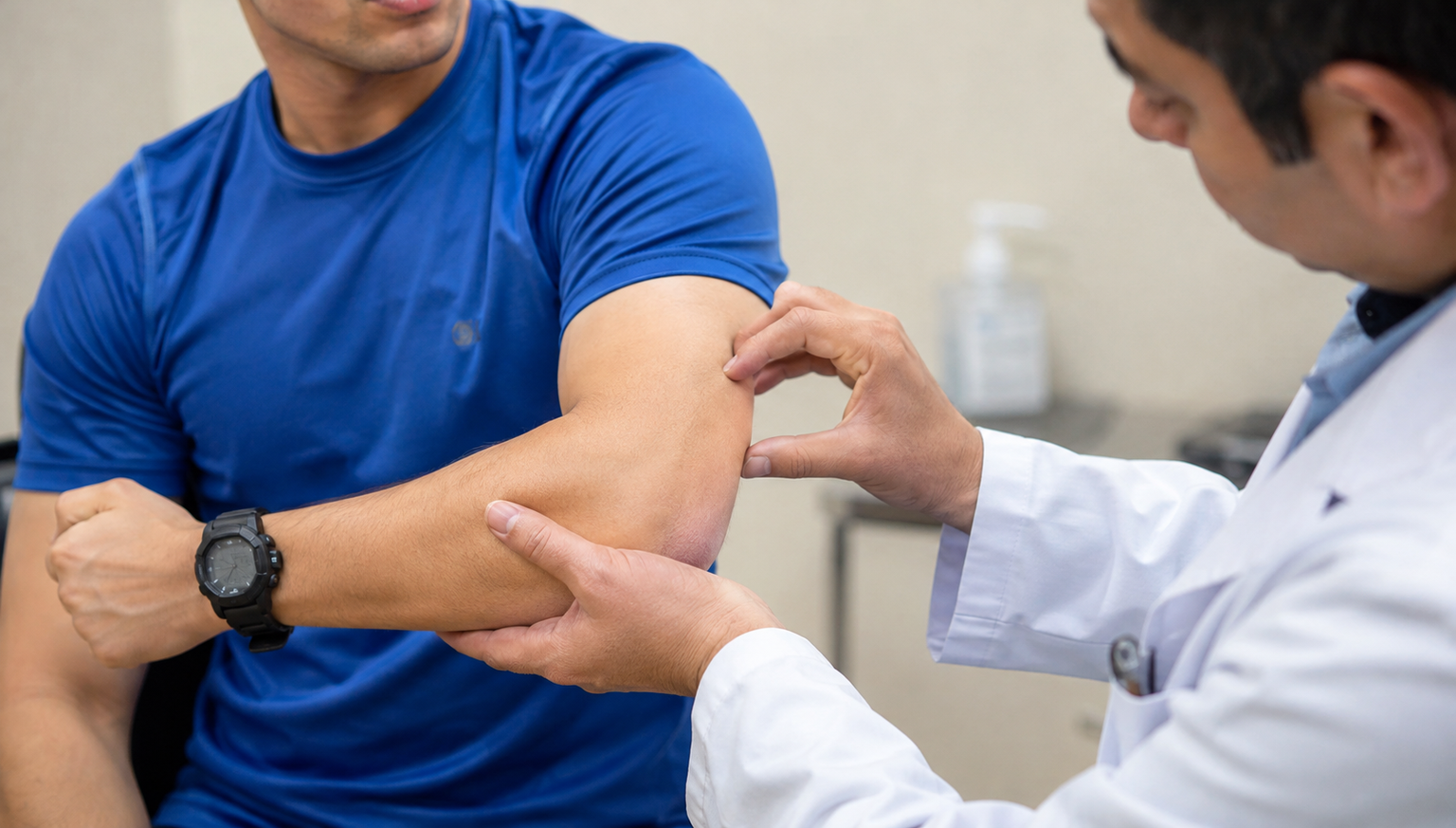
An adult brachial plexus injury occurs when the network of nerves connecting the spinal cord to the shoulder, arm and hand gets stretched, compressed or damaged. It can cause shoulder pain, arm weakness, numbness, reduced hand grip or even loss of arm movement.
This injury commonly happens after road accidents, sports injuries, falls or sudden trauma to the shoulder and neck. Treatment depends on the severity of nerve damage and may include physiotherapy, nerve repair surgery, nerve grafting or nerve transfer surgery.
Early diagnosis is important to understand the extent of nerve damage and choose the right treatment. Dr. Anubhav Gupta, a specialist in hand surgery and complex upper-limb conditions, helps patients explore treatment options for brachial plexus injuries and related nerve problems.
What Is an Adult Brachial Plexus Injury? An adult brachial plexus injury occurs when the network of nerves connecting the neck and spinal cord to the shoulder, arm and hand gets damaged. These nerves control several important movements, including: Lifting and moving the shoulder Bending and straightening the elbow Moving the wrist and fingers Holding and gripping objects Feeling touch and temperature in the arm and hand When these nerves are damaged, messages between the brain and the affected arm may not travel properly. As a result, a person may experience weakness, numbness or difficulty moving the arm. In severe cases, the injury can cause partial or complete loss of movement in the affected arm.
What Causes Brachial Plexus Injury in Adults?
Most adult brachial plexus injuries happen because of sudden stretching or direct damage to the nerves.
Some common causes include:
1. Road Accidents
Road traffic accidents, especially motorcycle accidents, are a common cause of brachial plexus injuries. During an accident, the neck and shoulder may move in opposite directions, stretching or tearing the nerves.
2. Sports Injuries
Sports such as football, wrestling and rugby can cause nerve injuries. A sudden fall, collision or strong impact on the shoulder may damage the brachial plexus.
3. Falls and Physical Injuries
Falling from a height or landing directly on the shoulder can stretch or compress the nerves. Serious injuries may also lead to nerve tears.
4. Shoulder Dislocation
A severe shoulder dislocation can sometimes damage the nearby nerves. Patients may notice weakness, pain or reduced movement in the arm.
5. Deep Cuts or Penetrating Injuries
Deep cuts or injuries caused by sharp objects can directly damage the nerves of the brachial plexus.
What Are the Symptoms of Adult Brachial Plexus Injury?
The symptoms depend on which nerves are damaged and how serious the injury is. Some people experience mild weakness, while others may lose movement in part or all of their arm.
Common symptoms include:
-
Arm weakness: Difficulty lifting or moving the affected arm.
-
Shoulder pain: Pain around the shoulder or upper arm.
-
Numbness: Reduced feeling in the arm, hand or fingers.
-
Tingling sensation: A pins-and-needles feeling in the affected area.
-
Loss of grip strength: Difficulty holding or carrying objects.
-
Limited elbow movement: Trouble bending or straightening the elbow.
-
Hand weakness: Difficulty moving fingers or performing daily activities.
-
Severe nerve pain: Burning or electric shock-like pain in the arm.
If you notice these symptoms after an accident or injury, consult a specialist for proper evaluation.
Types of Adult Brachial Plexus Injuries
Brachial plexus injuries can be different in every patient. Doctors classify them according to the amount of nerve damage.
1. Neurapraxia
This is a mild type of nerve injury. The nerve gets stretched or compressed but is not completely torn. It may cause temporary weakness or numbness, and many patients recover with time and appropriate care.
2. Axonotmesis
In this type of injury, the inner nerve fibres are damaged, but the outer nerve structure remains partly intact. Recovery may take several months and depends on the severity of the damage.
3. Neurotmesis
This is a severe nerve injury in which the nerve is completely torn. Natural recovery is usually limited, and surgery may be needed to restore nerve function.
4. Nerve Root Avulsion
Nerve root avulsion is a serious injury in which a nerve root is pulled away from the spinal cord. Specialised procedures, such as nerve transfer surgery, may be considered to restore certain arm movements.
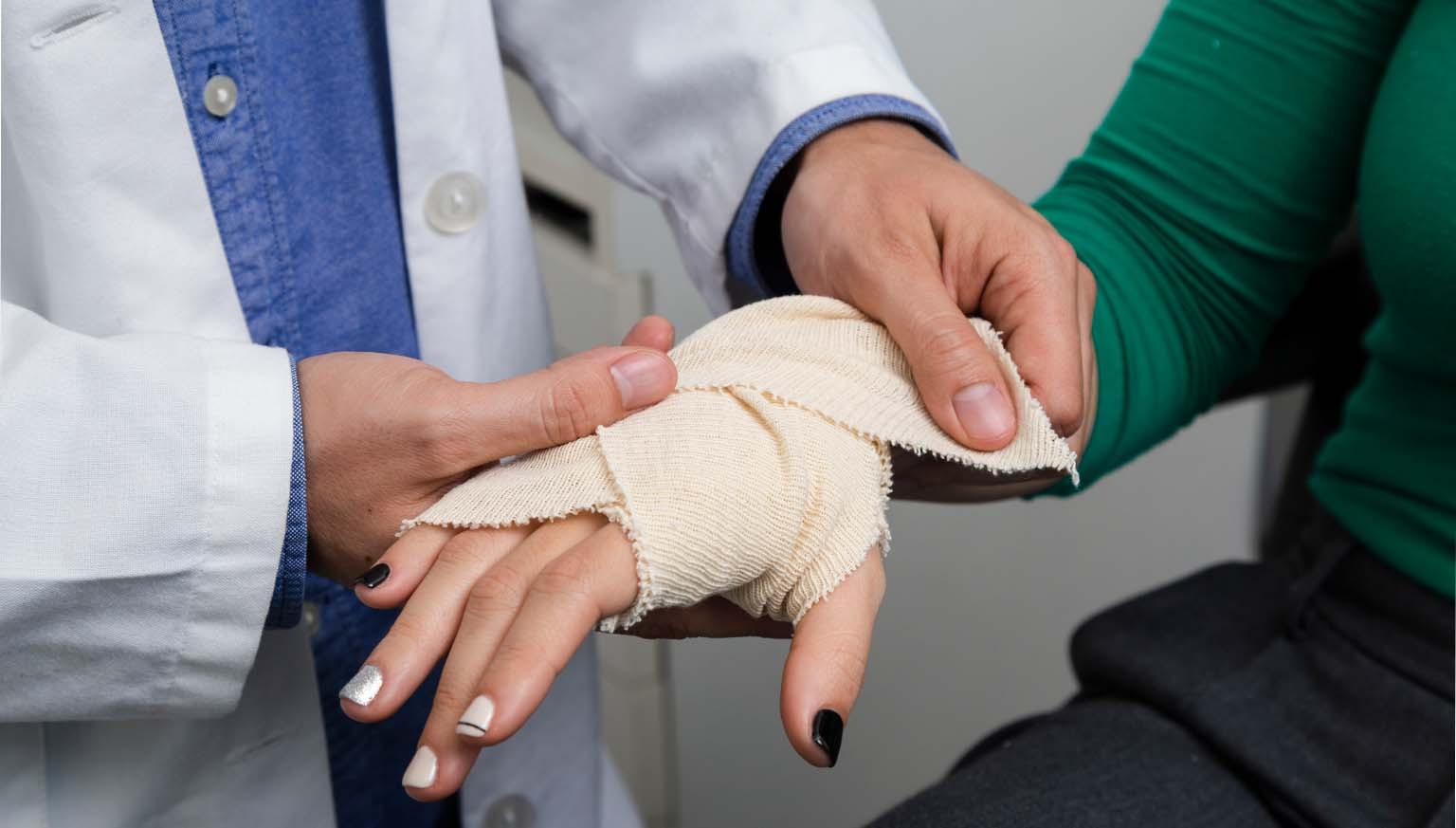
At our hand surgery clinic, skilled Plastic and Hand Surgeons restore hand strength, flexibility, and function with advanced techniques. Led by Dr. Anubhav Gupta, the Best Hand Surgeon in Delhi, we treat nerve injuries, brachial plexus palsy, fractures, and deformities. Trusted as the Best Hand Surgeon in India and your expert Hand Doctor Near Me
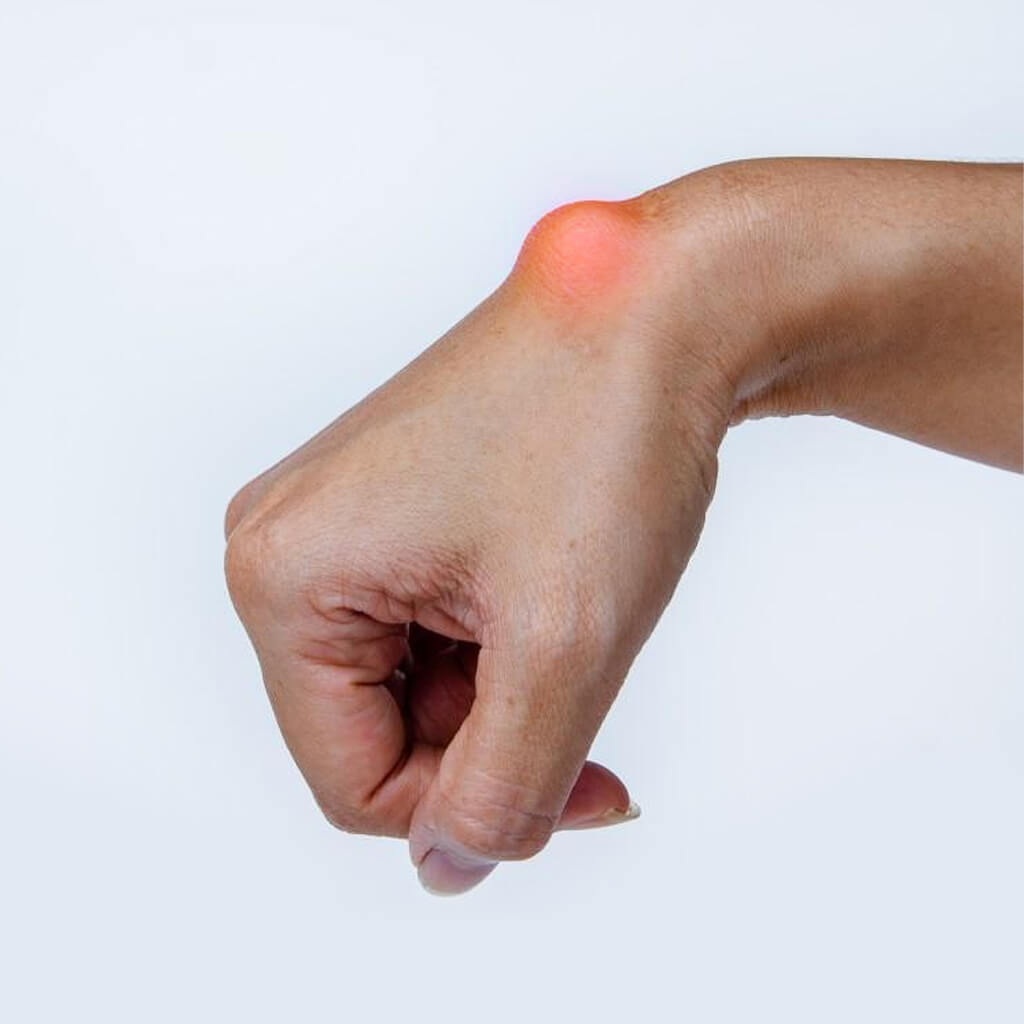
Brachial plexus is a vital nerve network that controls movement and sensation in the shoulder, arm & hand. Injury may cause weakness or paralysis. Dr. Anubhav Gupta is one of the best brachial plexus surgeon in Delhi, offering advanced brachial plexus injury treatment & recovery care at one of the best brachial plexus clinic in Delhi
At Dr. Anubhav Gupta’s practice, we believe in a comprehensive and patient-centric approach to breast surgery in Delhi. Our focus is on accurate diagnosis, personalized treatment plans, and advanced surgical techniques tailored to each patient’s unique needs. Whether it’s cosmetic breast enhancement, breast reconstruction, or corrective procedures, we prioritize patient safety, natural results, and a smooth recovery.
How Is Brachial Plexus Injury Diagnosed?
Before recommending treatment, the doctor needs to understand which nerves are affected and how serious the injury is.
Diagnosis may include the following tests:
Physical Examination
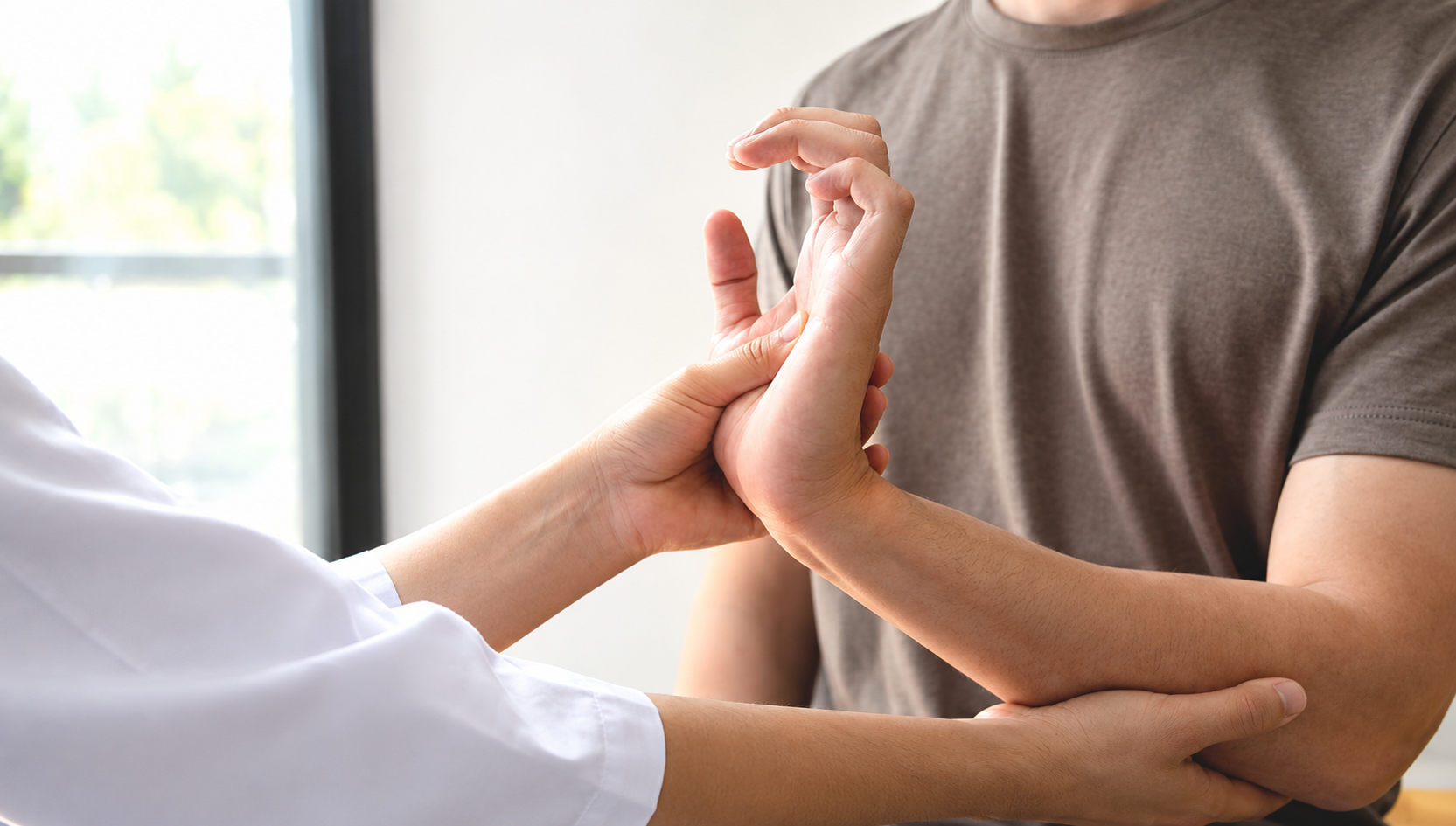
The doctor checks shoulder, elbow, wrist and finger movements. Hand grip, muscle strength and sensation are also examined.
MRI Scan
An MRI scan helps doctors examine the brachial plexus and surrounding tissues. It may show swelling, nerve damage or other injuries.
Electromyography (EMG)
EMG is a test that checks the electrical activity of muscles. It helps doctors understand whether the nerves are sending signals properly.
Nerve Conduction Study (NCS)
This test measures how electrical signals travel through the nerves. It helps identify the location and extent of nerve damage.
CT Myelography
In selected cases, CT myelography may help doctors identify nerve root injuries, including suspected nerve root avulsion.
What Are the Treatment Options for Adult Brachial Plexus Injury?
Treatment depends on the type of nerve injury, the severity of damage, the patient’s symptoms and how long ago the injury happened.
Some patients improve without surgery, while others may need specialized surgical treatment.
1. Non-Surgical Treatment
Mild nerve injuries may improve with observation and supportive treatment.
Non-surgical treatment may include:
-
Physiotherapy to maintain arm and shoulder movement.
-
Occupational therapy to improve daily activities.
-
Pain management as recommended by the doctor.
-
Splints to support the affected arm or hand when needed.
-
Regular check-ups to monitor nerve recovery.
Physiotherapy is particularly important because it helps prevent joint stiffness and keeps the muscles and joints flexible.
2. Nerve Repair Surgery
Nerve repair surgery may be recommended when a nerve is cut or damaged and its ends can be reconnected.
The surgeon carefully joins the damaged nerve ends to help nerve fibres grow again.
3. Nerve Grafting Surgery
Sometimes, the damaged part of a nerve cannot be joined directly because there is a gap between the nerve ends.
In such cases, nerve grafting surgery may be considered. A section of another nerve is used to connect the damaged area and provide a pathway for nerve regeneration.
4. Nerve Transfer Surgery
Nerve transfer surgery is an important option for selected patients with severe brachial plexus injuries.
In this procedure, a healthy, functioning nerve or a branch of a nerve is connected to a damaged nerve to help restore a particular movement.
Depending on the injury, nerve transfer surgery may help improve:
-
Shoulder movement
-
Elbow bending
-
Selected wrist and hand movements
The procedure is planned according to the patient’s nerve condition and the movements that need to be restored.
5. Tendon Transfer Surgery
If nerve recovery is limited, tendon transfer surgery may be considered.
In this procedure, a functioning tendon is moved to help perform a movement that has been lost because of nerve damage.
It may help improve selected wrist, finger or hand movements.
How Long Does It Take to Recover from Brachial Plexus Injury?
Recovery from an adult brachial plexus injury is different for every patient. Some people improve within a few months, while others need longer treatment and rehabilitation.
The recovery period depends on:
-
The severity of nerve damage
-
The type of injury
-
Whether surgery is required
-
The patient’s overall health
-
The response to physiotherapy and rehabilitation
Nerve recovery is usually slow. In many cases, nerves grow at approximately 1 mm per day after the initial healing process, although actual recovery varies.
Some patients regain useful arm movement, while others may continue to experience weakness or limited function.
What Factors Affect Brachial Plexus Injury Recovery?
Several factors can influence how well a patient recovers.
-
Severity of injury: Mild nerve injuries generally have better recovery potential than completely torn nerves.
-
Early diagnosis: Timely assessment helps doctors plan suitable treatment.
-
Type of surgery: Nerve repair, nerve grafting and nerve transfer are used for different types of injuries.
-
Rehabilitation: Regular physiotherapy helps maintain joint movement and improve arm function.
-
Overall health: A patient’s general health and healing ability may also affect recovery.
Following the treatment plan and attending regular follow-up appointments are important parts of recovery.
When Should You Consult a Hand Surgeon in Delhi?
A brachial plexus injury can affect the movement and strength of the entire arm. It is important to get the injury checked, especially when symptoms start after an accident.
You should consult a specialist if you experience:
-
Difficulty lifting your arm after an accident.
-
Loss of movement in your shoulder, elbow or hand.
-
Weak grip or difficulty holding objects.
-
Continuous numbness or tingling in your fingers.
-
Severe pain that feels like burning or electric shocks.
-
No improvement in arm movement after the initial treatment.
If you are looking for a hand surgeon in Delhi, consider consulting a specialist who has experience in hand injuries, peripheral nerve conditions and reconstructive procedures.
Why Consult Dr. Anubhav Gupta for Hand and Nerve Injuries?
Brachial plexus injuries can be complicated because they may affect several nerves responsible for arm and hand movements. Treatment requires careful evaluation to understand the exact location and severity of nerve damage.
Dr. Anubhav Gupta specializes in hand surgery and the management of complex upper-limb conditions. Patients seeking Dr. Anubhav Gupta, best hand surgeon in Delhi, can consult him for an evaluation of hand injuries and nerve-related problems.
Treatment planning may involve:
-
Checking arm, wrist and finger movements.
-
Evaluating nerve damage and muscle weakness.
-
Reviewing MRI, EMG and nerve conduction study reports.
-
Assessing the need for nerve repair or nerve transfer surgery.
-
Planning suitable rehabilitation and follow-up care.
Every nerve injury is different. The treatment approach is decided after examining the patient’s condition and understanding the expected benefits and limitations of available procedures.
Final Thoughts
An adult brachial plexus injury can make simple activities like lifting your arm, holding objects or moving your fingers difficult. Early diagnosis and proper treatment can help improve arm movement and support recovery.
Treatment may include physiotherapy, nerve repair, nerve grafting or nerve transfer surgery, depending on the injury.
If you experience arm weakness, numbness or difficulty moving your hand after an accident, consult Dr. Anubhav Gupta for expert guidance. If you are looking for a hand surgeon in Delhi, a proper evaluation can help you understand the right treatment options for your condition.
Book a Consultation
It’s easy and free!