Are you having trouble lifting your wrist, straightening your fingers, or holding everyday objects? These may be signs of wrist drop, a condition that usually occurs when the radial nerve is damaged or compressed. This nerve helps you lift your wrist and fingers, so an injury can make simple daily activities difficult. Wrist drop treatment …


Are you having trouble lifting your wrist, straightening your fingers, or holding everyday objects? These may be signs of wrist drop, a condition that usually occurs when the radial nerve is damaged or compressed. This nerve helps you lift your wrist and fingers, so an injury can make simple daily activities difficult.
Wrist drop treatment depends on the cause and severity of the nerve damage. Treatment may include a wrist splint, physiotherapy, medication when needed, or surgery to repair the nerve or improve hand movement. Early diagnosis can help the doctor choose the right treatment for better hand function and recovery.
If you are looking for wrist drop treatment in Delhi, consulting an experienced hand surgeon can help you understand your condition and available treatment options. Dr. Anubhav Gupta, a hand, plastic, and brachial plexus surgeon associated with Sir Ganga Ram Hospital in New Delhi, treats complex hand conditions and nerve injuries. Patients searching for the best hand surgeon in Delhi can consult a qualified specialist to learn about suitable wrist drop treatments, surgery options, and expected recovery based on their condition.
What Is Wrist Drop? Wrist drop is a condition in which a person has difficulty lifting the wrist due to weak muscles or radial nerve damage. It can affect finger and thumb movement, making daily activities like writing, typing, and holding objects difficult. Common causes include nerve injuries, arm fractures, and prolonged pressure on the nerve. Early diagnosis helps determine the right treatment, including physiotherapy or surgery if needed.
What Causes Wrist Drop?
Understanding the cause of wrist drop is the first step towards choosing the right treatment.
1. Radial Nerve Injury
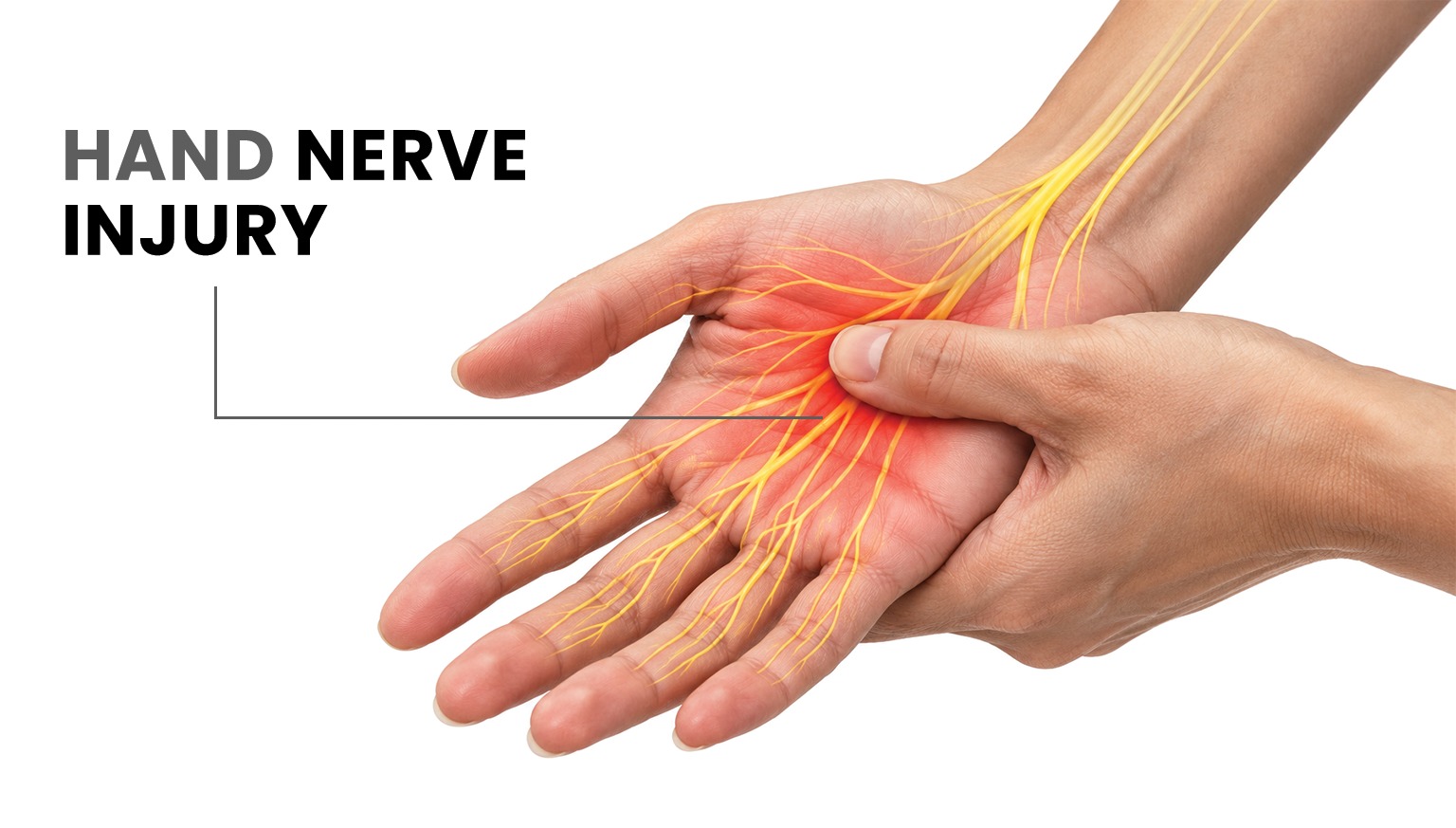
The radial nerve controls several muscles that help lift the wrist and straighten the fingers. Damage to this nerve can lead to weakness, reduced movement and difficulty using the hand.
Radial nerve injuries may occur after an accident, a fracture, a deep cut or prolonged pressure on the nerve.
2. Arm Fractures
A fracture of the humerus, the bone between the shoulder and elbow, can sometimes damage the radial nerve.
Some patients develop wrist drop immediately after the injury, while others notice weakness during recovery. A specialist examination can help determine whether the nerve is affected.
3. Prolonged Nerve Compression
Keeping pressure on the upper arm for a long time can compress the radial nerve. This may happen while sleeping in an awkward position or leaning against a hard surface for an extended period.
Mild compression injuries may improve with time, but persistent wrist weakness requires medical assessment.
4. Road Accidents and Deep Cuts
Road accidents, workplace injuries and deep cuts can cause significant nerve damage. In severe cases, the nerve may be partially or completely divided, making specialist evaluation and possible nerve repair surgery necessary.
5. Nerve Entrapment
Sometimes, surrounding tissues put pressure on the radial nerve and affect its normal function. Depending on the cause and severity, treatment may involve observation, rehabilitation or nerve decompression surgery.
What Are the Symptoms of Wrist Drop?
Wrist drop symptoms vary according to the location and severity of the nerve injury.
Common symptoms include:
-
Difficulty lifting the wrist upwards.
-
Inability to straighten the fingers properly.
-
Weak grip while holding objects.
-
Difficulty writing, typing or performing everyday tasks.
-
Numbness or tingling in parts of the hand.
-
Weakness in the wrist, fingers or forearm.
How Is Wrist Drop Diagnosed?
Before recommending wrist drop treatment, the doctor needs to identify the cause and severity of the problem.
Physical Examination
The doctor checks wrist movement, finger extension, muscle strength and sensation. Information about previous injuries, fractures and the onset of symptoms also helps guide the diagnosis.
Nerve Conduction Study and EMG
A nerve conduction study (NCS) assesses how electrical signals travel through the nerves. Electromyography (EMG) evaluates electrical activity in the muscles.
These tests may help identify the location and extent of nerve damage and monitor recovery.
Imaging Tests
X-rays may be recommended if a fracture is suspected. Ultrasound or MRI may be useful in selected cases to assess the nerve and surrounding tissues.
The required investigations depend on the patient’s symptoms and clinical findings.
At our hand surgery clinic, skilled Plastic and Hand Surgeons restore hand strength, flexibility, and function with advanced techniques. Led by Dr. Anubhav Gupta, the Best Hand Surgeon in Delhi, we treat nerve injuries, brachial plexus palsy, fractures, and deformities. Trusted as the Best Hand Surgeon in India and your expert Hand Doctor Near Me
Brachial plexus is a vital nerve network that controls movement and sensation in the shoulder, arm & hand. Injury may cause weakness or paralysis. Dr. Anubhav Gupta is one of the best brachial plexus surgeon in Delhi, offering advanced brachial plexus injury treatment & recovery care at one of the best brachial plexus clinic in Delhi
At Dr. Anubhav Gupta’s practice, we believe in a comprehensive and patient-centric approach to breast surgery in Delhi. Our focus is on accurate diagnosis, personalized treatment plans, and advanced surgical techniques tailored to each patient’s unique needs. Whether it’s cosmetic breast enhancement, breast reconstruction, or corrective procedures, we prioritize patient safety, natural results, and a smooth recovery.
What Are the Treatment Options for Wrist Drop?
The best treatment depends on whether the nerve is temporarily compressed, severely damaged or unable to recover adequately.
An experienced hand surgeon in Delhi can assess the condition and explain the available treatment options.
1. Non-Surgical Wrist Drop Treatment
Some patients recover without surgery, particularly when the radial nerve has been temporarily compressed and its structure remains intact.
Non-surgical treatment may include:
-
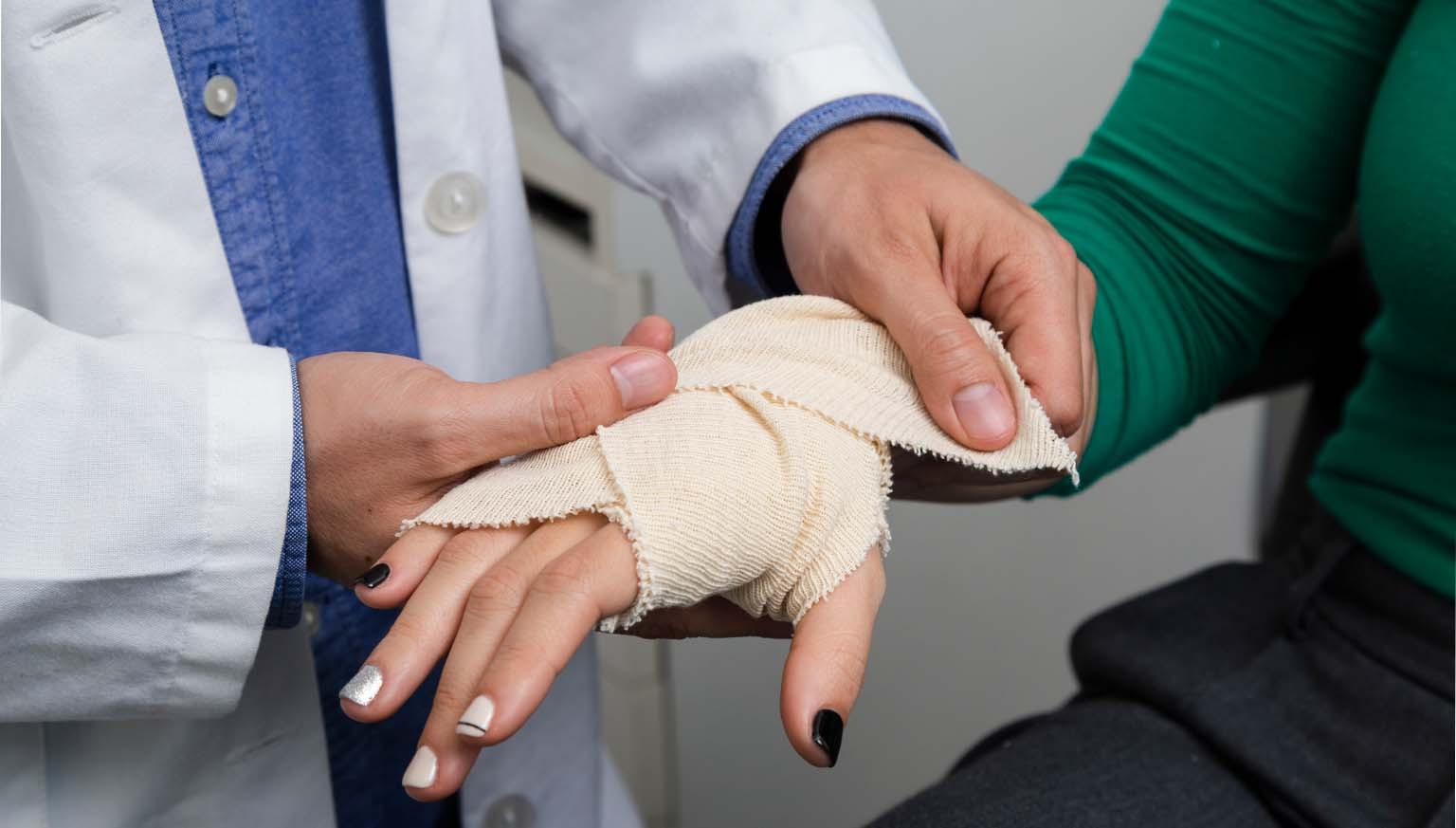
Wrist splinting: A splint supports the wrist in a functional position and can make daily activities easier.
-
Physiotherapy: Guided exercises help maintain joint flexibility and reduce stiffness.
-
Occupational therapy: Practical techniques can help patients manage everyday tasks while wrist movement is limited.
-
Treatment of the underlying cause: Managing an associated injury or medical condition may support recovery.
-
Regular follow-up: The doctor monitors muscle strength, movement and signs of nerve recovery.
Recovery may take weeks or months, depending on the severity of the nerve injury. Severe nerve damage may require additional treatment.
2. Radial Nerve Repair Surgery
Radial nerve repair surgery may be considered when the nerve has been cut or severely damaged.
Depending on the injury, the surgeon may repair the nerve directly. If a gap exists between the damaged nerve ends, a nerve graft or another reconstructive technique may be required.
The aim is to restore nerve continuity so that signals can reach the affected muscles again.
Nerve regeneration takes time, and recovery varies according to the location and severity of the injury, timing of treatment and condition of the affected muscles.
3. Nerve Decompression Surgery
When persistent pressure on the radial nerve affects its function, nerve decompression surgery may be considered in selected cases.
The procedure aims to relieve pressure around the nerve. Whether it is appropriate depends on the cause of compression, examination findings and response to other treatments.
4. Tendon Transfer Surgery for Wrist Drop
Tendon transfer surgery may be considered when the radial nerve is unlikely to recover sufficiently or when wrist and finger extension remain significantly impaired.
During this procedure, a functioning tendon is redirected to help perform the action of a weak or paralysed muscle.
Tendon transfer surgery can improve wrist positioning and finger movement in appropriately selected patients. It does not repair the damaged nerve itself, and rehabilitation is an important part of recovery.
The surgeon evaluates muscle strength, joint flexibility and overall hand function before recommending this procedure.
How Long Does Wrist Drop Surgery Recovery Take?
Wrist drop recovery time depends on the severity of nerve damage and the type of treatment performed.
Recovery After Mild Nerve Compression
Mild nerve compression injuries may improve over several weeks to a few months. More significant injuries can take longer and may not recover completely.
Recovery After Radial Nerve Repair
Recovery following nerve repair surgery may take several months or longer. Nerves regenerate gradually, and the affected muscles may need additional time to regain useful strength.
Recovery After Tendon Transfer Surgery
Recovery after tendon transfer surgery generally involves a period of splinting followed by supervised rehabilitation. The timing of exercises depends on the procedure and the surgeon’s instructions.
Regular follow-up helps monitor progress and determine whether additional treatment is required.
Can Wrist Drop Be Treated Without Surgery?
Yes, some cases of wrist drop improve without surgery, especially when the radial nerve is temporarily compressed and has not suffered severe structural damage.
However, a completely divided nerve, severe nerve injury or persistent weakness may require surgical assessment. Waiting too long without proper evaluation can delay appropriate treatment.
If you develop wrist drop after an accident, fracture or deep cut, seek prompt medical advice.
Why Choose Dr. Anubhav Gupta for Wrist Drop Treatment in Delhi?
Choosing the right specialist is an important step when wrist drop affects your hand movement, grip strength or ability to perform daily activities.
Dr. Anubhav Gupta is a hand, plastic and brachial plexus surgeon associated with Sir Ganga Ram Hospital in New Delhi. His area of practice includes hand surgery, nerve injuries and reconstructive procedures.
Patients searching online for the best hand surgeon in Delhi should consider relevant surgical expertise, recognised qualifications, experience with their specific condition, available treatment options and follow-up care.
For patients experiencing wrist drop, a specialist assessment can help establish whether conservative treatment, radial nerve repair, nerve decompression or tendon transfer surgery may be appropriate.
Dr. Anubhav Gupta can evaluate suitable patients with hand and nerve conditions and explain the potential benefits, limitations and recovery expectations of the available treatment options.
The right treatment plan is based on the patient’s examination, investigation results and individual functional needs
Conclusion
Wrist drop can make everyday activities difficult, but appropriate treatment may help improve wrist movement and hand function.
Depending on the cause, treatment options include wrist splinting, physiotherapy, radial nerve repair, nerve decompression and tendon transfer surgery. Early diagnosis helps determine which approach is most suitable.
Book a Consultation
It’s easy and free!