Carpal tunnel syndrome is a common condition that affects the hand and wrist. It happens when the median nerve is compressed inside the carpal tunnel, a narrow passage in the wrist. This can cause numbness, tingling, pain, and weakness in the hand. The best carpal tunnel syndrome treatment depends on the severity of the condition, …

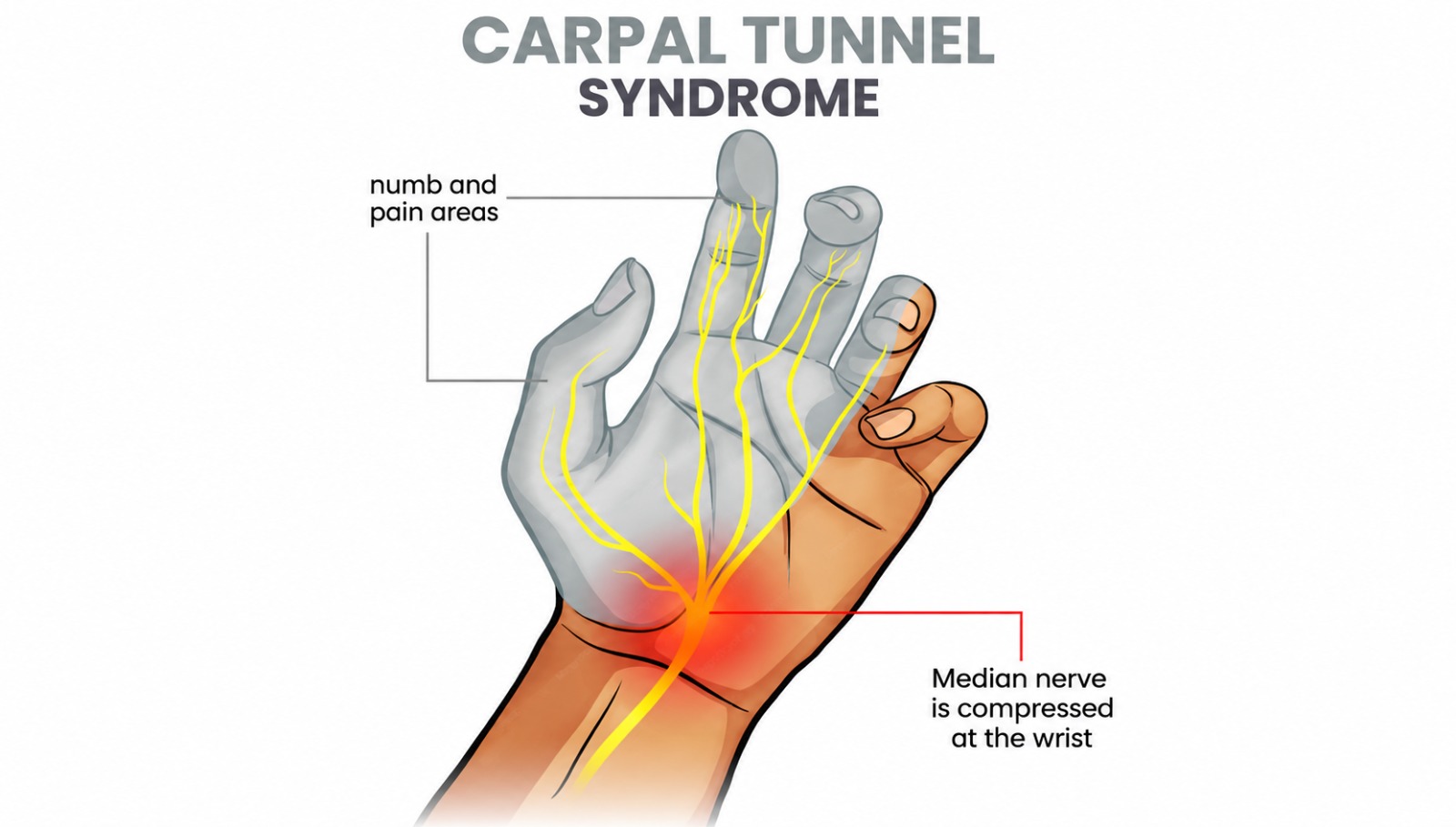
Carpal tunnel syndrome is a common condition that affects the hand and wrist. It happens when the median nerve is compressed inside the carpal tunnel, a narrow passage in the wrist. This can cause numbness, tingling, pain, and weakness in the hand.
The best carpal tunnel syndrome treatment depends on the severity of the condition, how long you have had symptoms, and whether the nerve has been damaged. Some people improve with non-surgical treatment, while others may need carpal tunnel release surgery.
If hand numbness, tingling, or wrist pain is affecting your daily activities, getting an expert evaluation can help you understand the cause and choose the right treatment. Dr. Anubhav Gupta, one of the best hand surgeons in Delhi, provides personalized care for hand and wrist conditions, including carpal tunnel syndrome. Book a consultation with Dr. Anubhav Gupta today to discuss your symptoms and find the right treatment approach for your condition.
What Is Carpal Tunnel Syndrome? The carpal tunnel is a small passageway in the wrist. The median nerve and several tendons pass through this space. When pressure builds inside the tunnel, the median nerve can become compressed. This may lead to carpal tunnel syndrome symptoms, including numbness, tingling, pain, and weakness. Symptoms often develop gradually and may become more noticeable at night or while holding a phone, book, or steering wheel.
Common Symptoms of Carpal Tunnel Syndrome
The symptoms can be different from person to person. Common signs include:
- Numbness or tingling in the thumb, index, and middle fingers
- Burning or pins-and-needles sensations
- Wrist or hand pain
- Symptoms that become worse at night
- Weakness while gripping objects
- Difficulty holding small objects
- Dropping things from the hand
- Reduced hand strength
- Difficulty with fine movements such as buttoning clothes
The little finger is usually not affected because the median nerve does not provide sensation to it. If numbness mainly affects the little finger, another nerve or condition may be involved.
What Causes Carpal Tunnel Syndrome?
Carpal tunnel syndrome does not always have one specific cause. Anything that increases pressure around the median nerve can contribute to the condition.
Possible risk factors include:
- Repetitive hand or wrist movements
- Prolonged or awkward wrist positions
- Wrist injuries
- Diabetes
- Rheumatoid arthritis
- Pregnancy-related swelling
- Certain wrist or hand conditions
- The natural shape of the wrist
Repetitive activities can make symptoms worse, although the cause is not always related to computer or keyboard use alone.
How Is Carpal Tunnel Syndrome Diagnosed?
A proper diagnosis is important because hand numbness can have several causes.
During an examination, a doctor may ask about your symptoms and check:
- Hand and finger sensation
- Grip and muscle strength
- Wrist movement
- The pattern and timing of symptoms
- Signs of median nerve compression
Depending on your symptoms, your doctor may recommend nerve conduction studies, electromyography (EMG), or ultrasound. These tests can help assess the median nerve and rule out other conditions.
What Is the Best Carpal Tunnel Syndrome Treatment?
There is no single treatment that is best for every patient. The appropriate treatment depends on the severity of nerve compression and the patient’s symptoms.
1. Wrist Splinting
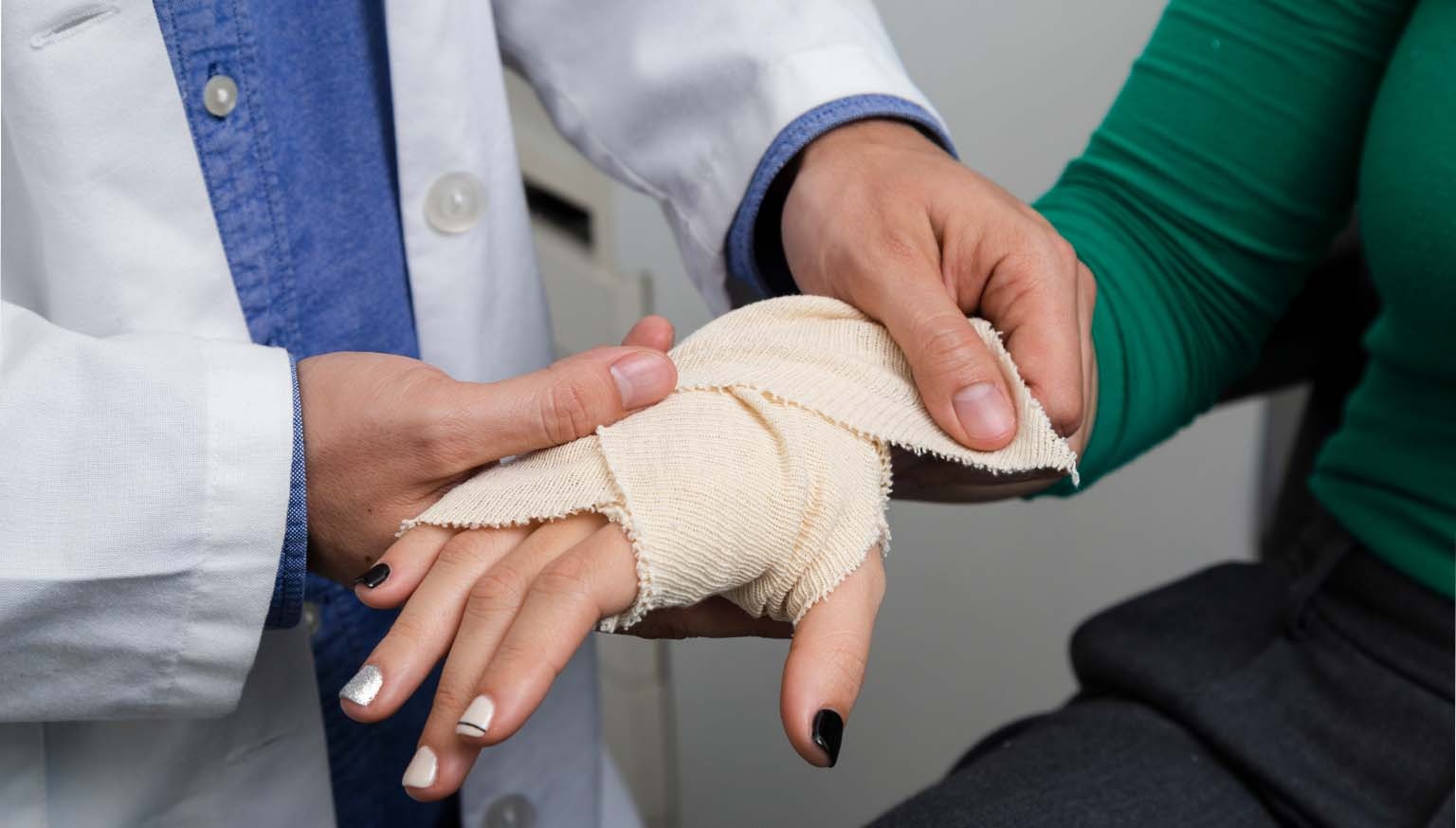
A wrist splint can keep the wrist in a neutral position and may reduce pressure on the median nerve. It is often particularly useful at night when symptoms are commonly worse.
Splinting is generally considered an option for people with early or mild symptoms.
2. Activity Modification
If certain activities make your symptoms worse, changing how you perform them may help.
Taking regular breaks, avoiding prolonged wrist bending, and improving hand and wrist positioning can reduce irritation.
However, if symptoms continue despite these changes, medical evaluation is recommended.
3. Medicines for Pain Relief
Some medicines can help reduce pain or discomfort for a short period. However, pain relief does not necessarily remove the pressure on the median nerve.
For this reason, medication should not be considered a complete solution for ongoing nerve compression. Your doctor can recommend an appropriate option based on your individual condition.
4. Corticosteroid Injection
A corticosteroid injection may temporarily reduce swelling and symptoms in some patients.
However, symptom relief may not be permanent. If significant nerve compression continues, your doctor may discuss other treatment options.
5. Carpal Tunnel Release Surgery
When symptoms are severe, persistent, or do not improve with non-surgical treatment, carpal tunnel release surgery may be recommended.
The purpose of surgery is to reduce pressure on the median nerve by releasing the ligament that forms the roof of the carpal tunnel.
Carpal tunnel release can be performed using different surgical techniques, including open and endoscopic approaches. Your surgeon can explain which approach is appropriate for your condition.
When Is Carpal Tunnel Surgery Recommended?
Surgery may be considered when:
- Symptoms are severe or persistent
- Numbness is becoming constant
- There is significant hand weakness
- Thumb muscles are becoming weak or wasted
- Nerve tests show significant compression
- Non-surgical treatment has not provided sufficient improvement
Severe or long-standing nerve compression may affect recovery, which is why persistent symptoms should not be ignored.
Recovery After Carpal Tunnel Surgery
Recovery varies depending on the severity of the condition, the surgical technique, and the individual patient.
Some symptoms may improve soon after surgery, while nerve recovery and improvement in hand strength can take longer. Patients are generally advised to gradually return to normal hand use and avoid forceful wrist movements during the healing period.
Your surgeon will provide specific instructions regarding wound care, movement, work, and returning to normal activities.
At our hand surgery clinic, skilled Plastic and Hand Surgeons restore hand strength, flexibility, and function with advanced techniques. Led by Dr. Anubhav Gupta, the Best Hand Surgeon in Delhi, we treat nerve injuries, brachial plexus palsy, fractures, and deformities. Trusted as the Best Hand Surgeon in India and your expert Hand Doctor Near Me
Brachial plexus is a vital nerve network that controls movement and sensation in the shoulder, arm & hand. Injury may cause weakness or paralysis. Dr. Anubhav Gupta is one of the best brachial plexus surgeon in Delhi, offering advanced brachial plexus injury treatment & recovery care at one of the best brachial plexus clinic in Delhi
At Dr. Anubhav Gupta’s practice, we believe in a comprehensive and patient-centric approach to breast surgery in Delhi. Our focus is on accurate diagnosis, personalized treatment plans, and advanced surgical techniques tailored to each patient’s unique needs. Whether it’s cosmetic breast enhancement, breast reconstruction, or corrective procedures, we prioritize patient safety, natural results, and a smooth recovery.
Best Doctor for Carpal Tunnel Syndrome in Delhi
Choosing the right specialist is an important part of carpal tunnel syndrome treatment. A doctor experienced in hand and wrist conditions can evaluate your symptoms and recommend treatment based on your individual needs.
Dr. Anubhav Gupta is one of the best hand doctors in Delhi and is known for treating conditions affecting the hand, wrist, and upper extremity. Patients experiencing persistent numbness, tingling, wrist pain, or weakness can consult Dr. Anubhav Gupta for an appropriate clinical evaluation and treatment plan.
The best treatment should always be selected after a proper examination rather than relying only on online information or assuming that surgery is necessary.
Why Early Treatment Matters
Carpal tunnel syndrome can start with occasional tingling or numbness and gradually become more troublesome. Ignoring persistent symptoms may allow nerve compression to continue.
Early evaluation can help determine whether simple measures such as splinting and activity modification are appropriate or whether further treatment is required.
If you are regularly waking up with numb hands, experiencing weakness, or dropping objects, it is a good idea to seek professional medical advice.
Conclusion
Carpal tunnel syndrome is a treatable condition, but the right approach depends on the severity of nerve compression and the patient’s symptoms.
The best carpal tunnel syndrome treatment may range from wrist splinting and activity modification to injections or carpal tunnel release surgery. Getting an accurate diagnosis is an important first step.
If you have persistent hand numbness, tingling, pain, or weakness, consult an experienced hand specialist rather than continuing to ignore the symptoms. For patients looking for a hand surgeon in Delhi, Dr. Anubhav Gupta can provide professional evaluation and help determine an appropriate treatment plan.
Frequently Asked Questions
Who is the best doctor for carpal tunnel syndrome in Delhi?
When choosing a specialist, look for experience in treating hand and wrist conditions. Dr. Anubhav Gupta is one of the best hand surgeons in Delhi and can evaluate symptoms and discuss suitable treatment options based on the patient’s condition.
What is the best treatment for carpal tunnel syndrome?
The best treatment depends on the severity of the condition. Mild cases may improve with wrist splinting and activity changes, while persistent or severe cases may require corticosteroid injection or carpal tunnel release surgery.
Can carpal tunnel syndrome be treated without surgery?
Yes. Early or mild cases may respond to non-surgical treatments such as wrist splinting, activity modification, and other treatments recommended by a doctor. However, severe nerve compression may require surgery.
Is carpal tunnel surgery successful?
Carpal tunnel release generally improves symptoms for many patients, but results can vary. People with severe or long-standing nerve compression may have a slower or incomplete recovery.
When should I see a doctor for carpal tunnel syndrome?
You should consider seeing a doctor if numbness, tingling, pain, or weakness continues, interferes with sleep, affects your work, or causes you to drop objects.
Book a Consultation
It’s easy and free!