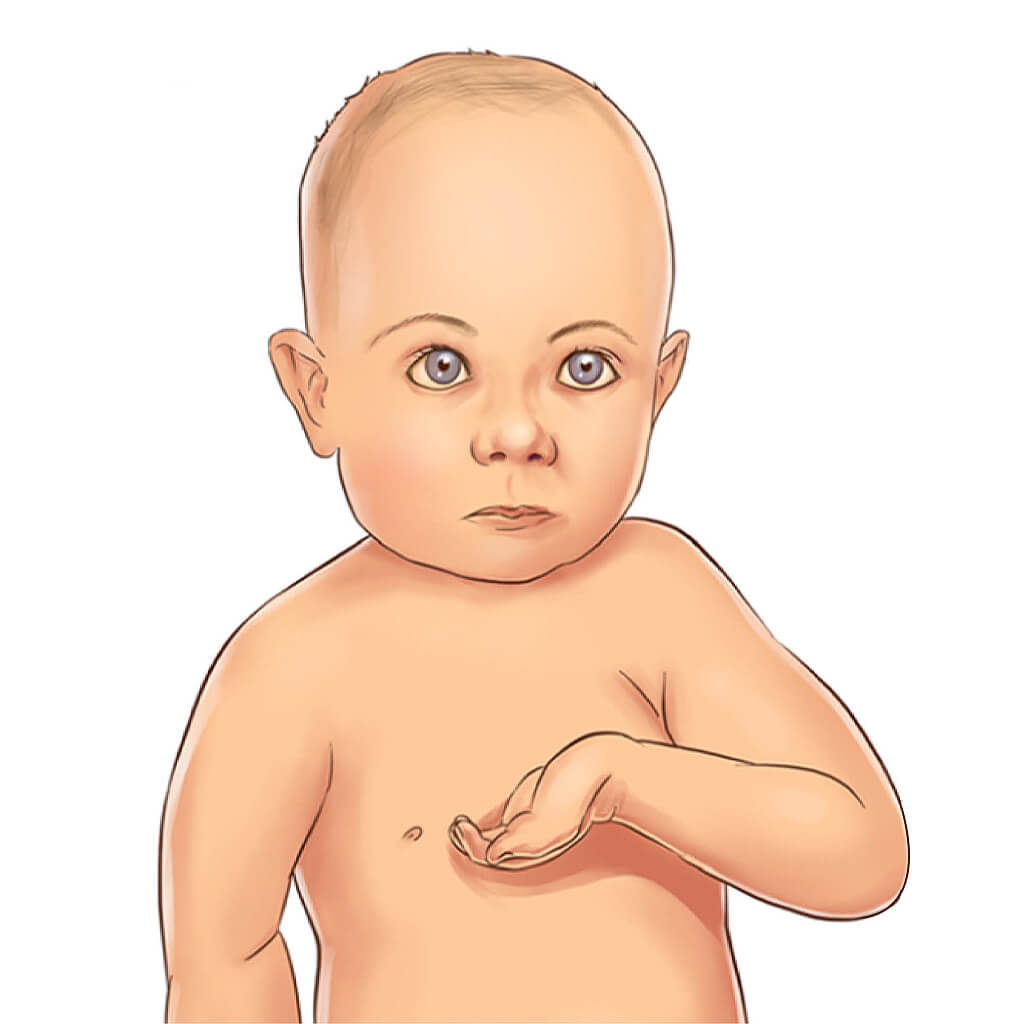
Median nerve palsy is a nerve condition that can affect sensation, thumb movement, hand strength, grip, and fine motor activities. It may develop due to traumatic nerve injury, nerve compression, fractures, dislocations, or other conditions affecting the median nerve. Early diagnosis and timely treatment are important to protect hand function and improve the possibility of …

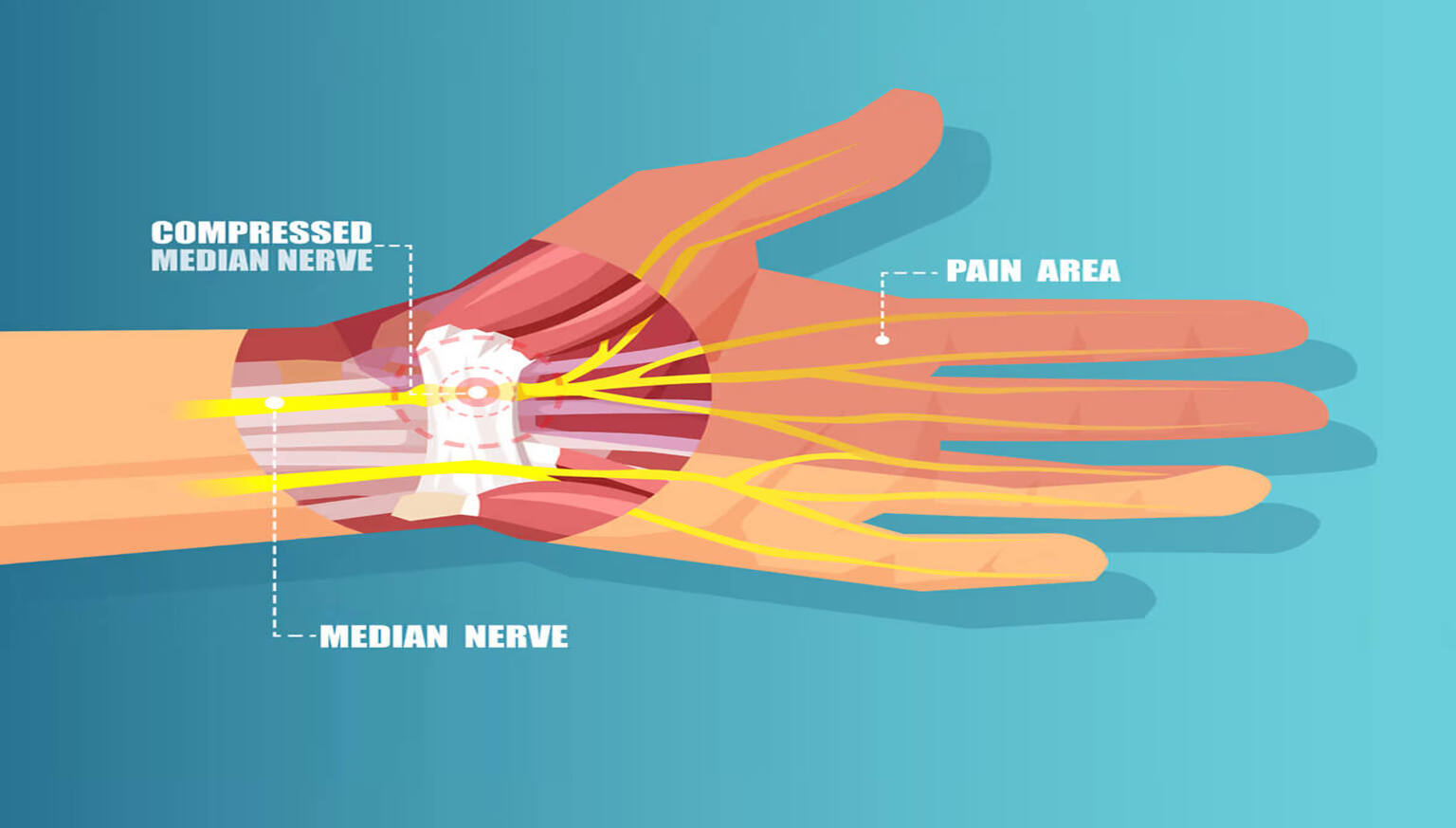
Median nerve palsy is a nerve condition that can affect sensation, thumb movement, hand strength, grip, and fine motor activities. It may develop due to traumatic nerve injury, nerve compression, fractures, dislocations, or other conditions affecting the median nerve.
Early diagnosis and timely treatment are important to protect hand function and improve the possibility of nerve recovery. Depending on the cause and severity, median nerve palsy treatment may include conservative care, physiotherapy, nerve decompression, nerve repair, nerve grafting, nerve transfer, or other reconstructive procedures.
If you experience persistent numbness, tingling, weakness, reduced grip strength, or difficulty moving your thumb and fingers, consult an experienced hand surgeon in Delhi for proper evaluation. Dr. Anubhav Gupta is one of the best hand surgeons in Delhi, with expertise in the diagnosis and surgical management of complex hand and nerve conditions, including median nerve injuries and palsy. Seeking timely specialist care can help determine the underlying cause and the most suitable treatment approach for better hand function and recovery.
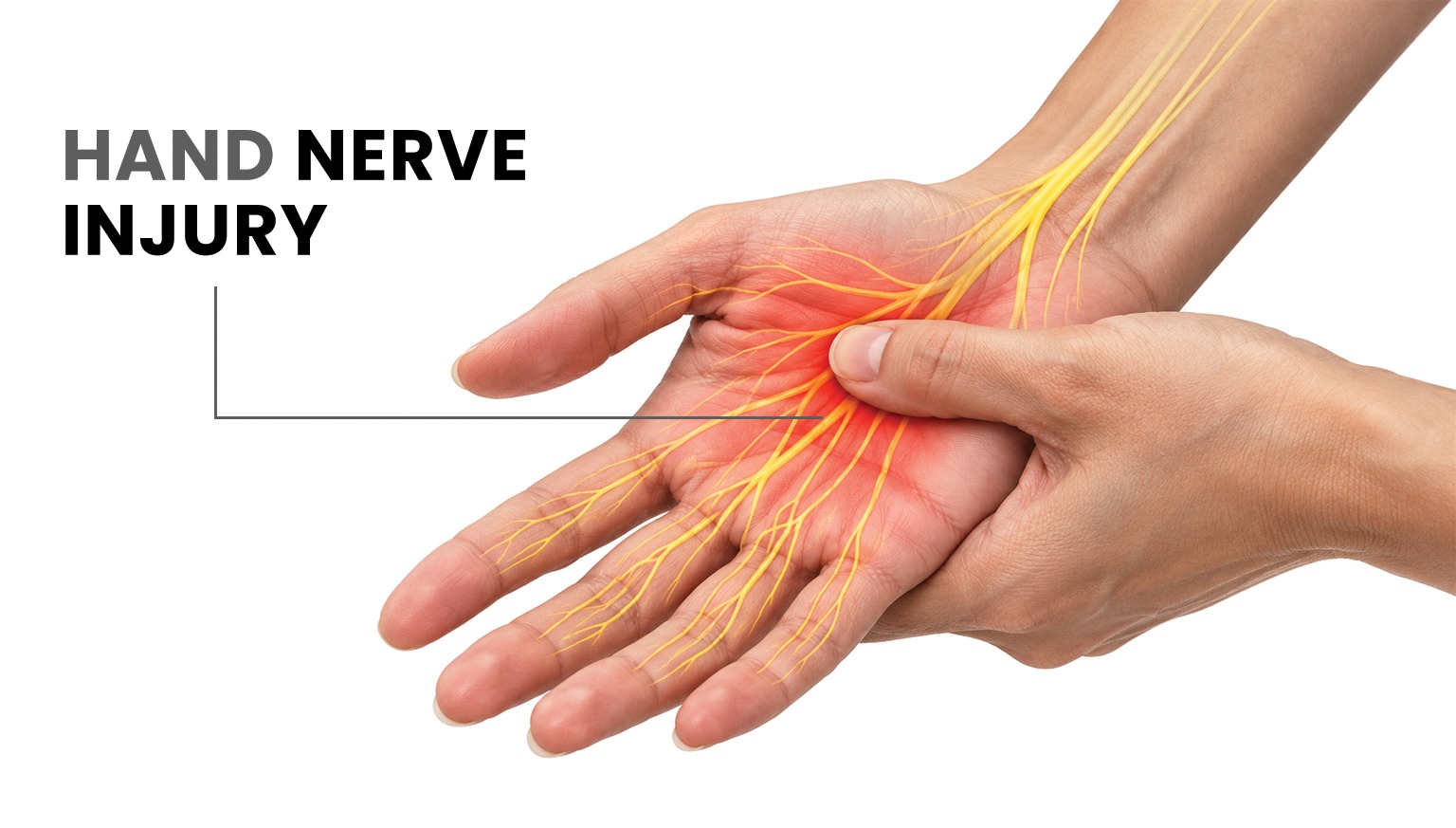
What Is Median Nerve Palsy? Median nerve palsy occurs when the median nerve is damaged, compressed, stretched, or otherwise unable to function normally. The median nerve travels from the arm through the forearm and into the hand. It provides sensation to parts of the hand and controls several muscles responsible for thumb and finger movements. A problem with this nerve may affect: Thumb movement and opposition Hand grip and strength Fine finger movements Sensation in the hand Coordination during everyday activities Ability to perform precise tasks The symptoms and treatment of median nerve palsy depend largely on where the nerve is affected and whether the injury is mild, partial, or complete.
Median Nerve Palsy Causes
Understanding the causes of median nerve palsy is important for selecting the right treatment. Common causes include:
1. Traumatic Median Nerve Injury
Cuts, crush injuries, fractures, penetrating injuries, and severe trauma can damage the median nerve. A major injury may partially or completely disrupt the nerve.
2. Median Nerve Compression
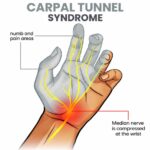
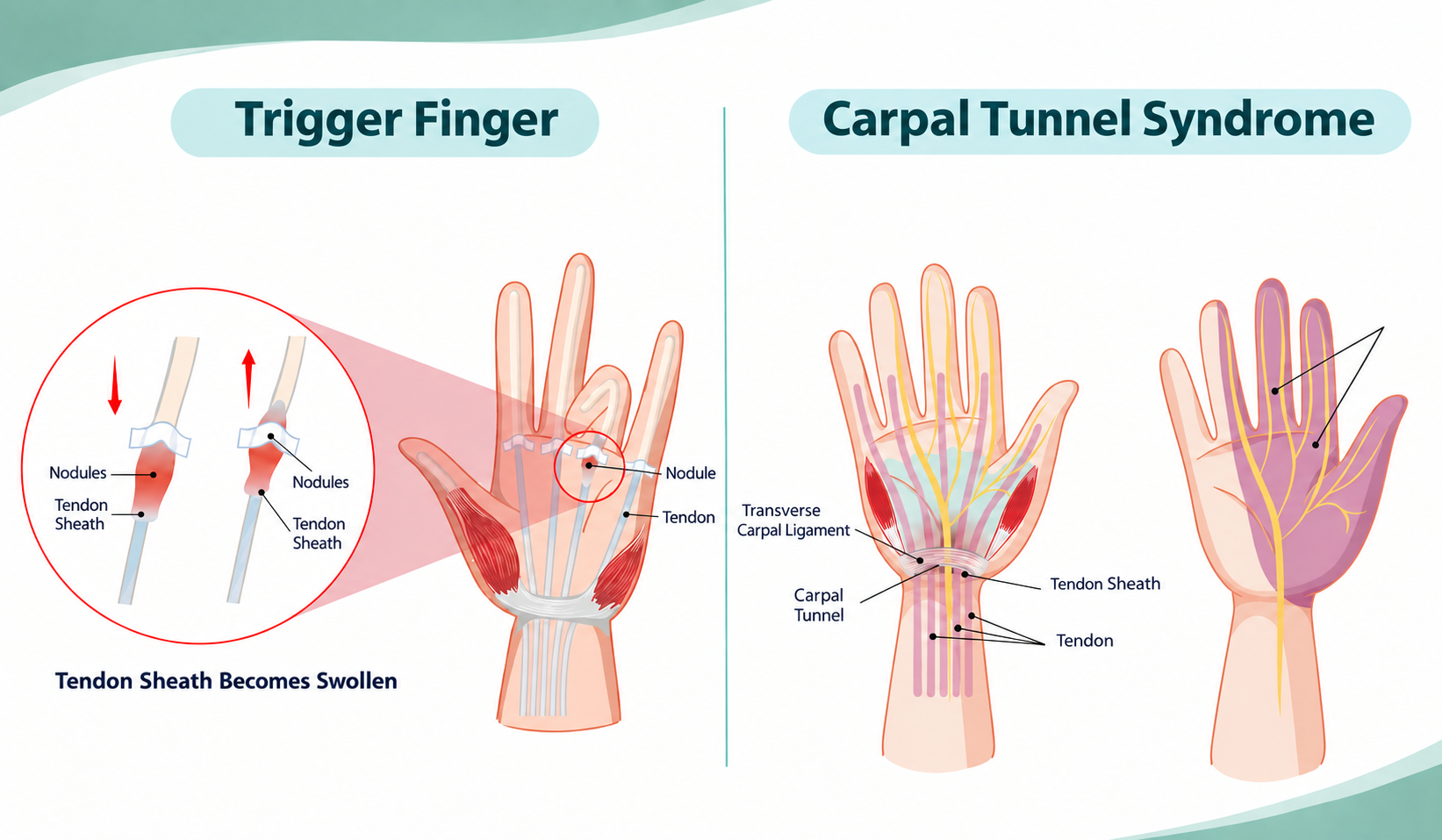
Pressure on the median nerve can interfere with normal nerve function. Carpal tunnel syndrome is a common example of median nerve compression at the wrist.
3. Fractures and Dislocations
Fractures around the elbow, forearm, and wrist can stretch or compress the median nerve. Dislocations may also cause nerve injury.
4. Surgical or Treatment-Related Nerve Injury
In rare cases, the median nerve may be affected during surgery or another medical procedure.
5. Scar Tissue
Scar tissue following trauma or surgery can sometimes surround the nerve and interfere with its normal movement or function.
6. Other Medical Conditions
Certain neurological or systemic conditions may also affect nerve function. A specialist evaluation is necessary to identify the underlying cause.
Median Nerve Palsy Symptoms
The symptoms of median nerve palsy vary according to the location and severity of the nerve problem.
Common symptoms include:
- Numbness in the thumb, index, middle, and part of the ring finger
- Tingling or pins-and-needles sensation
- Burning or shooting nerve pain
- Reduced hand sensation
- Weak grip
- Thumb weakness
- Difficulty moving or opposing the thumb
- Difficulty holding objects
- Problems with fine hand movements
- Loss of hand coordination
- Muscle wasting in severe or longstanding cases
Some patients mainly experience sensory symptoms, while others develop significant weakness or loss of movement.
How Does Median Nerve Palsy Affect the Hand?
The median nerve plays an important role in hand function. When it is damaged, patients may find everyday activities more difficult.
For example, median nerve dysfunction may affect your ability to:
- Button clothes
- Write
- Hold a mobile phone
- Pick up small objects
- Grip tools
- Turn keys
- Perform work requiring finger precision
This is why timely median nerve injury treatment can be important for maintaining hand function.
How Is Median Nerve Palsy Diagnosed?
A median nerve specialist or experienced hand surgeon usually starts with a detailed medical history and physical examination.
The doctor may assess:
- Hand and finger movement
- Thumb strength
- Grip strength
- Sensation
- Muscle function
- Reflexes
- Signs of muscle wasting
- Previous trauma or surgery
Additional diagnostic tests may be recommended depending on the suspected cause.
Common Diagnostic Tests
Nerve Conduction Study (NCS):
- Measures how efficiently electrical signals travel through the nerve.
Electromyography (EMG):
- Evaluates the electrical activity of muscles and can help determine whether nerve damage is affecting muscle function.
X-ray:
- May be recommended when a fracture or bone abnormality is suspected.
Ultrasound:
- Can help evaluate certain nerve abnormalities, compression, or structural changes.
MRI:
- May be used when detailed imaging of nerves and surrounding soft tissues is required.
The combination of clinical examination and appropriate investigations helps the doctor determine the severity and location of the median nerve problem.
At our hand surgery clinic, skilled Plastic and Hand Surgeons restore hand strength, flexibility, and function with advanced techniques. Led by Dr. Anubhav Gupta, the Best Hand Surgeon in Delhi, we treat nerve injuries, brachial plexus palsy, fractures, and deformities. Trusted as the Best Hand Surgeon in India and your expert Hand Doctor Near Me
Brachial plexus is a vital nerve network that controls movement and sensation in the shoulder, arm & hand. Injury may cause weakness or paralysis. Dr. Anubhav Gupta is one of the best brachial plexus surgeon in Delhi, offering advanced brachial plexus injury treatment & recovery care at one of the best brachial plexus clinic in Delhi
At Dr. Anubhav Gupta’s practice, we believe in a comprehensive and patient-centric approach to breast surgery in Delhi. Our focus is on accurate diagnosis, personalized treatment plans, and advanced surgical techniques tailored to each patient’s unique needs. Whether it’s cosmetic breast enhancement, breast reconstruction, or corrective procedures, we prioritize patient safety, natural results, and a smooth recovery.
Median Nerve Palsy Treatment
The best median nerve palsy treatment depends on the cause, severity, location, duration, and structural condition of the nerve.
Treatment may include conservative management, rehabilitation, or surgery.
Non-Surgical Treatment for Median Nerve Palsy
Some patients may benefit from non-surgical treatment, particularly when the nerve is compressed or mildly affected and there is no major structural disruption.
Depending on the diagnosis, treatment may include:
- Activity modification
- Splinting
- Physiotherapy
- Hand therapy
- Nerve-gliding exercises when medically appropriate
- Pain management
- Treatment of the underlying condition
- Regular clinical monitoring
Not every median nerve problem requires surgery. A specialist should determine the appropriate treatment after assessing the nerve and symptoms.
Surgical Treatment for Median Nerve Palsy
Surgery may be considered when there is significant nerve compression, traumatic nerve damage, complete nerve disruption, persistent symptoms, or inadequate improvement with conservative treatment.
Depending on the patient’s condition, median nerve surgery may involve:
Median Nerve Decompression
If the nerve is compressed, surgical decompression may be performed to relieve pressure and restore the nerve’s environment.
Median Nerve Repair
When a nerve has been cut or severely damaged, direct nerve repair may be considered when the ends can be appropriately brought together.
Nerve Grafting
If there is a gap between damaged nerve ends, a nerve graft may be required to bridge the gap and support nerve regeneration.
Nerve Transfer
In selected severe or longstanding nerve injuries, a nerve transfer may be considered to provide a new source of nerve supply to important muscles.
Tendon Transfer
For certain chronic nerve injuries where muscle function cannot be adequately restored through nerve reconstruction, tendon transfer surgery may be considered to improve hand or thumb function.
The choice of procedure depends on the individual patient’s nerve injury and functional requirements.
Median Nerve Palsy Recovery
Median nerve recovery is usually gradual. Unlike muscles and bones, nerves regenerate slowly, and recovery can take months or longer depending on the severity and location of the injury.
Factors that may influence median nerve palsy recovery include:
- Severity of nerve damage
- Location of the injury
- Type of nerve injury
- Patient’s age and general health
- Time between injury and treatment
- Whether the nerve is compressed, partially damaged, or completely disrupted
- Rehabilitation and hand therapy
- Individual healing response
Patients should understand that nerve recovery is often a gradual process. Improvement in sensation may occur differently from improvement in muscle strength.
How Long Does Median Nerve Palsy Take to Recover?
There is no single recovery time for every patient.
A mild compression-related problem may improve relatively quickly after the underlying pressure is treated. In contrast, a severe traumatic median nerve injury requiring nerve repair or reconstruction may take considerably longer.
Nerve regeneration occurs slowly, and functional recovery may continue for an extended period after treatment.
Your hand surgeon can provide a more individualized prognosis after evaluating the type and severity of your nerve injury.
Hand Therapy After Median Nerve Surgery
Rehabilitation can play an important role in median nerve injury recovery.
Depending on the treatment and stage of recovery, hand therapy may focus on:
- Maintaining joint mobility
- Improving hand strength
- Restoring grip
- Improving fine motor control
- Sensory re-education
- Scar management
- Functional hand activities
- Gradual return to daily activities
A customized rehabilitation program should be followed according to the advice of your surgeon and therapist.
Can Median Nerve Palsy Be Completely Cured?
The outcome depends on the underlying cause and severity of nerve damage.
Some patients with mild compression may experience substantial improvement after appropriate treatment. Patients with severe traumatic nerve injuries may require surgical reconstruction and prolonged rehabilitation.
Although treatment can improve nerve function and hand performance, complete recovery cannot be guaranteed in every case.
Early diagnosis and appropriate treatment may provide a better opportunity to preserve or restore hand function.
When Should You See a Median Nerve Specialist?
You should consider consulting a median nerve specialist or hand surgeon if you experience:
- Persistent hand numbness
- Tingling in the thumb or fingers
- Weak grip
- Thumb weakness
- Difficulty holding objects
- Loss of thumb movement
- Muscle wasting
- Persistent nerve pain
- Hand weakness after an injury
- Numbness following a fracture or dislocation
- Loss of hand function after surgery or trauma
Do not ignore persistent neurological symptoms, particularly after an accident or significant hand injury.
Best Hand Surgeon for Median Nerve Palsy in Delhi
Choosing an experienced specialist is important for diagnosing and treating complex median nerve injuries.
Dr. Anubhav Gupta is one of the best hand surgeons in Delhi, providing specialized evaluation and treatment for conditions affecting the hand, wrist, peripheral nerves, and upper limb.
Patients searching for a median nerve palsy doctor in Delhi, median nerve specialist in Delhi, or median nerve injury treatment in Delhi can consult Dr. Anubhav Gupta for an expert assessment of their condition.
Dr. Anubhav Gupta is also considered by patients looking for a best doctor for median nerve palsy in Delhi. The appropriate treatment depends on the individual diagnosis, nerve injury severity, and functional requirements.
A detailed clinical assessment is important before deciding whether conservative treatment, nerve decompression, nerve repair, nerve grafting, nerve transfer, or another reconstructive procedure is appropriate.
Why Choose an Experienced Hand Surgeon?
Median nerve problems can be complex because the nerve affects both sensation and movement.
An experienced hand surgeon can help with:
- Accurate diagnosis of nerve injuries
- Assessment of nerve function
- Identification of nerve compression
- Evaluation of traumatic nerve damage
- Selection of appropriate treatment
- Surgical nerve repair when indicated
- Nerve reconstruction
- Post-treatment rehabilitation planning
- Long-term monitoring of nerve recovery
The goal is not simply to treat the nerve but to help restore useful hand function wherever possible.
Conclusion
Median nerve palsy can affect sensation, thumb movement, grip strength, coordination, and everyday hand function. It may occur because of trauma, compression, fractures, dislocations, or other nerve-related conditions.
The right median nerve palsy treatment depends on the underlying cause and severity of the injury. Depending on the diagnosis, treatment may include conservative care, hand therapy, nerve decompression, median nerve repair, nerve grafting, nerve transfer, or tendon transfer.
Because peripheral nerve recovery can be slow, timely diagnosis and appropriate treatment are important.
Frequently Asked Questions
What is the main cause of median nerve palsy?
Median nerve palsy can result from trauma, nerve compression, fractures, dislocations, scar tissue, surgical injury, or other medical conditions affecting the median nerve.
What are the most common symptoms of median nerve palsy?
Common symptoms include numbness, tingling, nerve pain, reduced sensation, thumb weakness, weak grip, difficulty with fine movements, and muscle wasting in severe cases.
Is median nerve palsy treatable without surgery?
Some cases can be managed without surgery, especially when symptoms are caused by mild or temporary nerve compression. Severe traumatic nerve injuries may require surgical treatment.
When is median nerve surgery required?
Surgery may be considered when there is significant compression, nerve disruption, severe traumatic injury, persistent dysfunction, or poor response to appropriate non-surgical treatment.
How long does median nerve recovery take?
Recovery varies according to the type and severity of injury. Nerve regeneration is slow, so recovery after a significant nerve injury may take months or longer.
Can physiotherapy help median nerve palsy?
Hand therapy and physiotherapy may support recovery, maintain movement, improve strength, and help patients regain functional hand use. The rehabilitation plan should be tailored to the specific nerve condition.
Who is the best doctor for median nerve palsy in Delhi?
Dr. Anubhav Gupta is one of the best hand surgeons in Delhi for patients seeking specialist evaluation of hand and peripheral nerve conditions. Patients can discuss their symptoms and treatment options after a proper clinical assessment.
Book a Consultation
It’s easy and free!