A hand nerve injury can affect sensation, movement, grip strength, and the ability to perform everyday activities. Nerve damage may occur after an accident, deep cut, crush injury, fracture, or other trauma. In some cases, symptoms can be mild, while severe nerve injuries may require specialized nerve repair surgery. If you have numbness, tingling, weakness, …

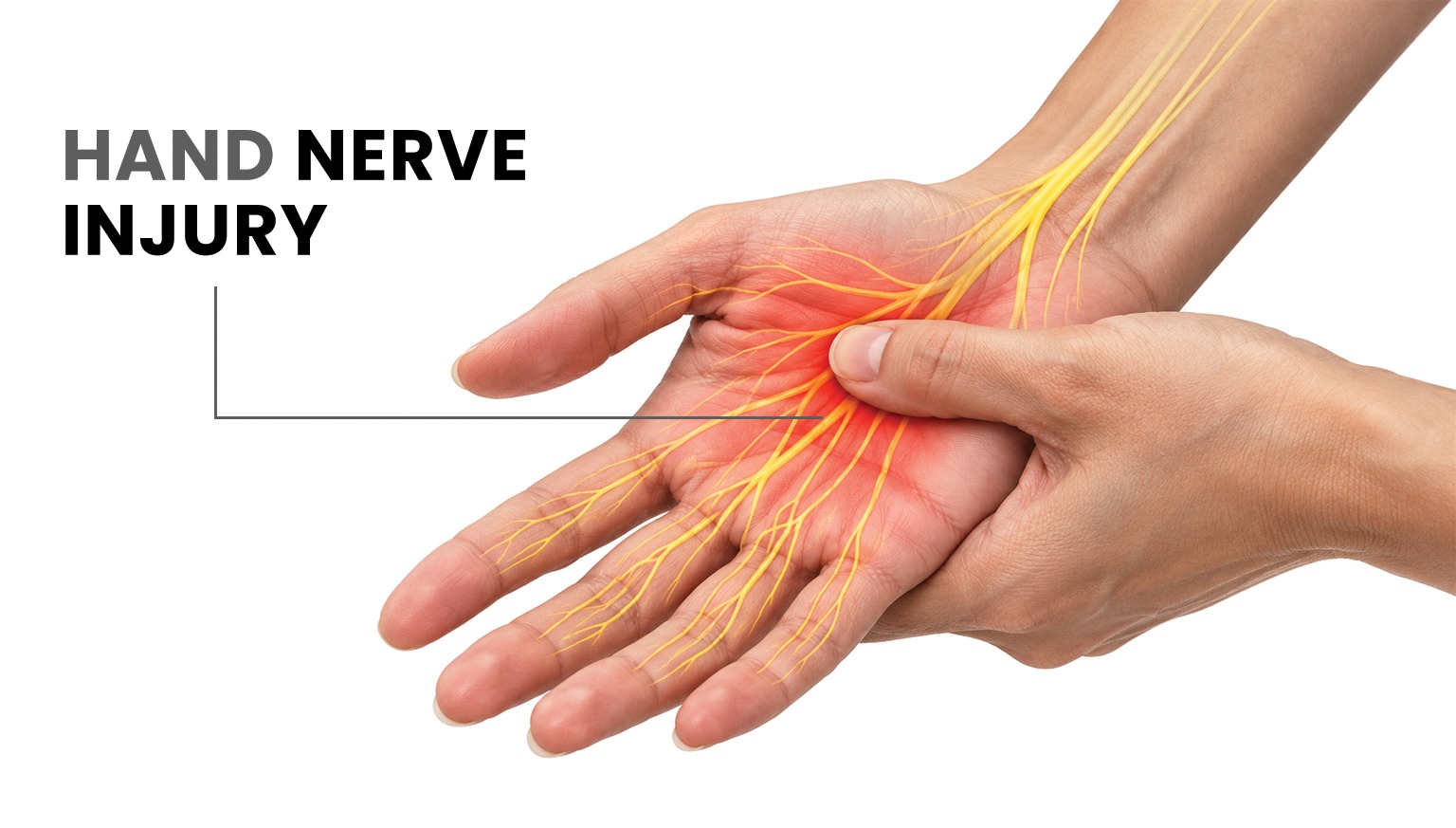
A hand nerve injury can affect sensation, movement, grip strength, and the ability to perform everyday activities. Nerve damage may occur after an accident, deep cut, crush injury, fracture, or other trauma. In some cases, symptoms can be mild, while severe nerve injuries may require specialized nerve repair surgery.
If you have numbness, tingling, weakness, loss of sensation, or difficulty moving your fingers after a hand injury, early medical evaluation is important.
Dr. Anubhav Gupta, a specialist in hand surgery in Delhi, evaluates complex hand injuries and nerve-related conditions and provides treatment based on the type and severity of nerve damage.
What Is a Hand Nerve Injury? A hand nerve injury occurs when one or more nerves supplying the hand or fingers are damaged. These nerves carry signals between the brain, spinal cord, and hand, allowing you to feel touch, temperature, pain, and pressure while also controlling certain hand and finger movements. A damaged nerve can therefore affect both sensation and movement.
Common symptoms of hand nerve damage include:
-
- Numbness or reduced sensation
- Tingling or a pins-and-needles feeling
- Burning or electric-shock-like pain
- Weakness in the hand or fingers
- Difficulty gripping objects
- Loss of finger movement
- Increased sensitivity to touch
- Problems feeling hot or cold
- Muscle weakness or wasting in severe cases
The exact symptoms depend on which nerve has been injured and how severely it has been damaged.
What Causes Nerve Injury in the Hand?
Hand nerve injuries commonly occur following trauma. Some injuries happen suddenly, while others develop gradually because of pressure or compression on a nerve.
Common causes include:
1. Cuts and Lacerations
A deep cut on the hand, wrist, or finger can damage an underlying nerve. Sharp-object injuries may completely or partially divide a nerve.
2. Crush Injuries
A heavy object, machinery accident, or severe impact can compress or damage nerves in the hand.
3. Fractures and Dislocations
Broken bones or joint injuries can stretch, compress, or directly damage nearby nerves.
4. Accidental or Occupational Injuries
Industrial, construction, kitchen, and workplace accidents can result in complex injuries involving nerves, tendons, blood vessels, and bones.
5. Nerve Compression
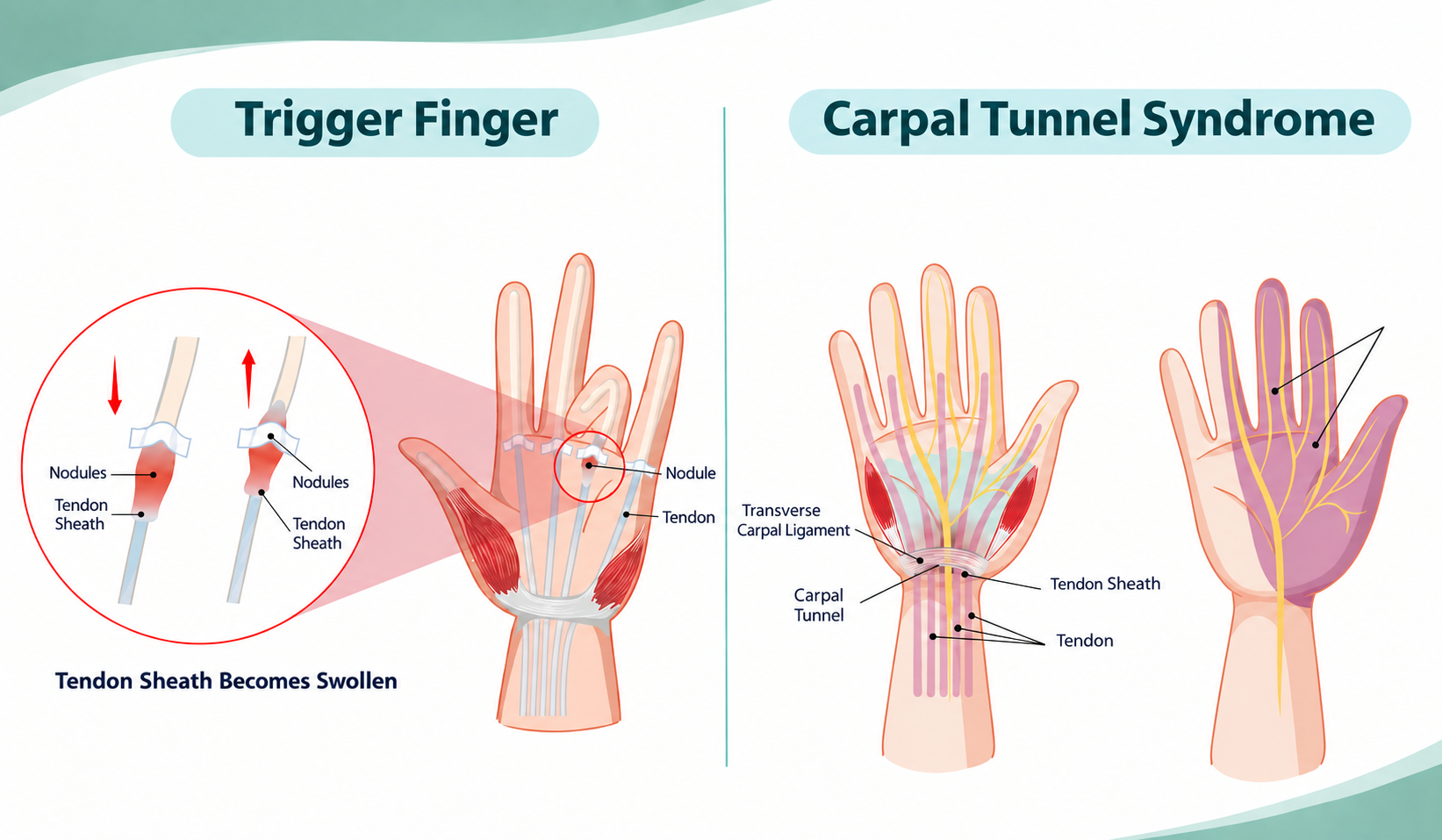
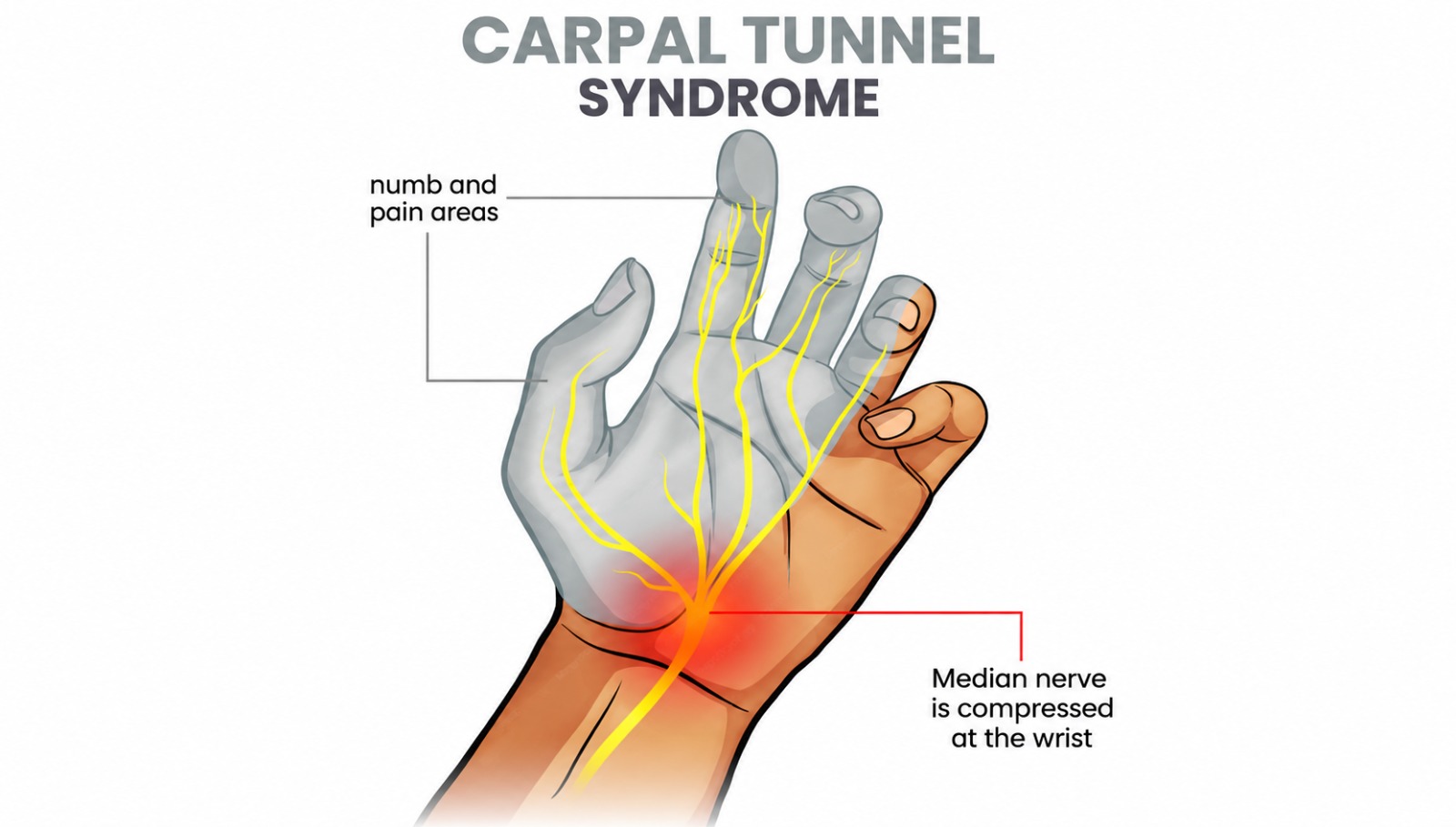
A nerve can become compressed in areas such as the wrist or hand. Conditions such as carpal tunnel syndrome can cause numbness, tingling, pain, and weakness.
6. Previous Surgery or Scar Tissue
In some situations, scar tissue following an injury or surgery can affect normal nerve function.
Which Nerves Can Be Injured in the Hand?
Three major nerves are particularly important for sensation and movement of the hand:
Median Nerve
The median nerve provides sensation to parts of the hand and helps control several muscles involved in finger and thumb movement. Problems involving this nerve can cause numbness and weakness, particularly in the thumb, index, middle, and part of the ring finger.
Ulnar Nerve
The ulnar nerve is important for sensation in the little finger and part of the ring finger and controls several muscles involved in fine hand movements and grip.
Radial Nerve
The radial nerve plays an important role in sensation over part of the back of the hand and controls muscles involved in extending the wrist and fingers.
Because each nerve performs different functions, the location and pattern of symptoms can help a hand surgeon identify which nerve may be affected.
What Are the Symptoms of a Hand Nerve Injury?
Symptoms vary depending on the location and severity of the injury.
Sensory symptoms
You may experience:
- Numbness
- Tingling
- Burning sensation
- Reduced ability to feel touch
- Increased sensitivity
- Difficulty identifying temperature
Motor symptoms
Damage to a motor nerve can cause:
- Weak grip
- Difficulty moving fingers
- Difficulty extending or bending fingers
- Loss of fine hand movements
- Muscle weakness
- Muscle wasting in severe or long-standing injuries
Pain
Nerve pain can feel different from ordinary injury-related pain. Patients may describe it as burning, shooting, stabbing, or electric-shock-like pain.
Can a Hand Nerve Injury Heal on Its Own?
Some nerve injuries can recover without surgery, particularly when the nerve has been stretched or compressed but remains structurally intact.
However, a completely cut or severely damaged nerve may not recover properly without appropriate treatment.
The prognosis depends on factors such as:
- Type of nerve injury
- Location of the injury
- Whether the nerve is partially or completely damaged
- Time since the injury
- Patient’s age and general health
- Associated tendon, bone, or blood-vessel injuries
- Treatment and rehabilitation
This is why persistent numbness or weakness following a hand injury should not be ignored.
How Is a Hand Nerve Injury Diagnosed?
A hand surgeon usually begins with a detailed medical history and physical examination.
The evaluation may include checking:
- Sensation in different areas of the hand
- Finger and wrist movement
- Grip strength
- Muscle function
- Reflexes
- Blood circulation
- Location and depth of an injury
Depending on the suspected injury, additional investigations such as nerve conduction studies, electromyography (EMG), ultrasound, or other imaging may be recommended.
The treatment plan depends on the findings rather than symptoms alone.
At our hand surgery clinic, skilled Plastic and Hand Surgeons restore hand strength, flexibility, and function with advanced techniques. Led by Dr. Anubhav Gupta, the Best Hand Surgeon in Delhi, we treat nerve injuries, brachial plexus palsy, fractures, and deformities. Trusted as the Best Hand Surgeon in India and your expert Hand Doctor Near Me
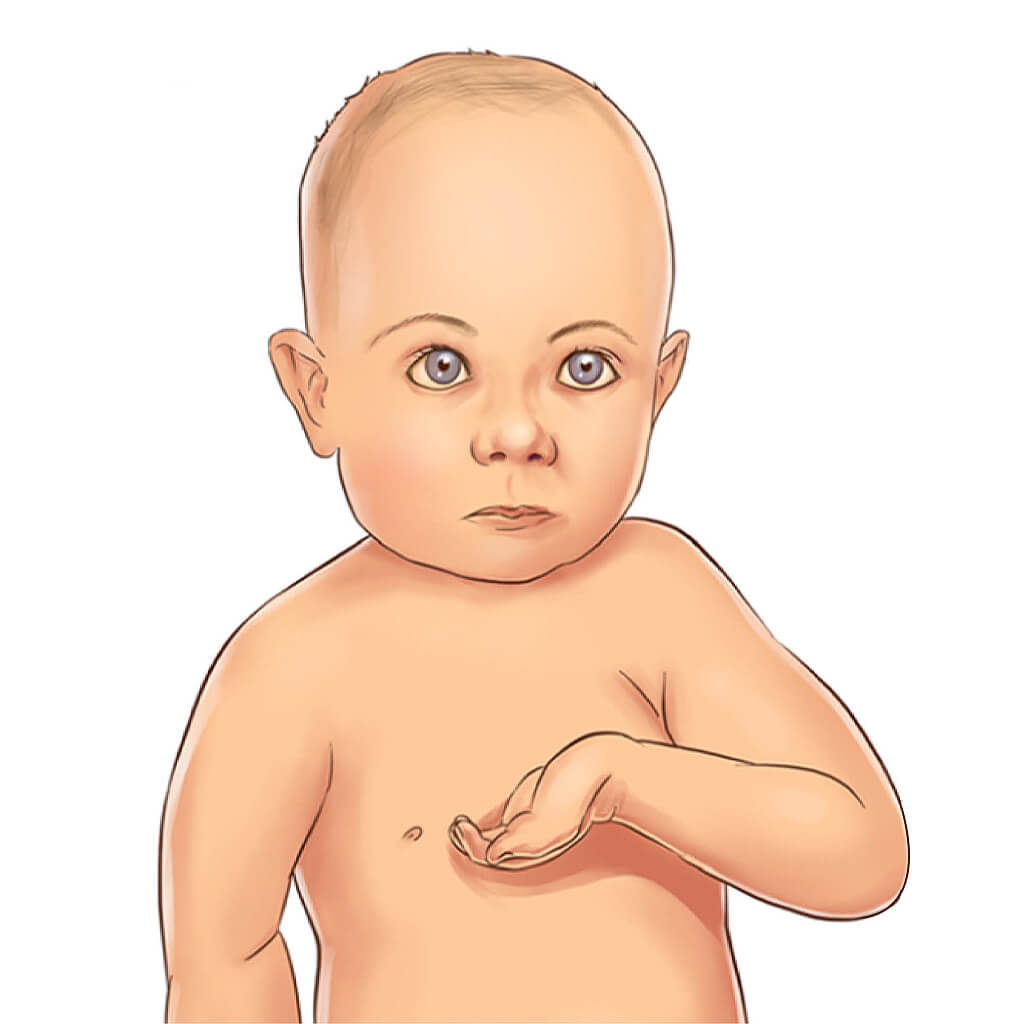
Brachial plexus is a vital nerve network that controls movement and sensation in the shoulder, arm & hand. Injury may cause weakness or paralysis. Dr. Anubhav Gupta is one of the best brachial plexus surgeon in Delhi, offering advanced brachial plexus injury treatment & recovery care at one of the best brachial plexus clinic in Delhi
At Dr. Anubhav Gupta’s practice, we believe in a comprehensive and patient-centric approach to breast surgery in Delhi. Our focus is on accurate diagnosis, personalized treatment plans, and advanced surgical techniques tailored to each patient’s unique needs. Whether it’s cosmetic breast enhancement, breast reconstruction, or corrective procedures, we prioritize patient safety, natural results, and a smooth recovery.
Treatment for Hand Nerve Injury
Treatment depends on whether the nerve is compressed, stretched, bruised, partially injured, or completely divided.
Non-Surgical Treatment
For selected nerve injuries, treatment may include:
- Rest and protection of the injured area
- Splinting
- Physiotherapy
- Occupational therapy
- Pain management
- Treatment of the underlying cause
- Regular monitoring of nerve recovery
Not every nerve injury requires surgery.
Nerve Repair Surgery
If a nerve has been completely or severely divided, surgical repair may be considered.
During nerve repair, the damaged ends of the nerve are carefully identified and brought together to allow nerve fibers to regenerate across the repair site.
Depending on the injury, different reconstructive techniques may be considered.
Nerve Grafting
When the damaged nerve ends cannot be brought together without excessive tension, a nerve graft may be used to bridge the gap.
Nerve Transfer
In selected complex injuries, a functioning nerve may be redirected to restore function to an injured nerve or muscle.
The appropriate procedure depends on the location, severity, and age of the injury.
How Long Does a Hand Nerve Injury Take to Heal?
Nerve recovery is generally slow compared with skin or muscle healing.
After an appropriate repair, nerve fibers need time to regenerate and reconnect with their target tissues. The timeline varies significantly between patients.
Recovery may take several months or longer, depending on:
- Severity of the nerve injury
- Location of the injury
- Distance between the repair and the muscles or sensory areas
- Patient’s age
- Overall health
- Rehabilitation
- Time between injury and treatment
A surgeon may monitor recovery over an extended period rather than expecting immediate improvement.
Can Physiotherapy Help After Nerve Injury?
Yes. Rehabilitation can be an important part of recovery after hand nerve injury.
Depending on the injury and treatment, therapy may help with:
- Maintaining joint movement
- Preventing stiffness
- Improving hand strength
- Retraining movement
- Improving coordination
- Protecting areas with reduced sensation
- Supporting the return of functional hand use
Your surgeon and therapist can determine the appropriate rehabilitation program for your specific injury.
When Should You See a Hand Surgeon?
You should seek medical evaluation if you develop persistent or significant:
- Numbness after a hand injury
- Loss of sensation in a finger
- Weakness in the hand
- Difficulty moving a finger
- Loss of grip strength
- Burning or shooting nerve pain
- Symptoms following a deep cut
- Symptoms after a crush injury
- Progressive muscle weakness
A deep wound with numbness, loss of movement, or changes in blood circulation may indicate a more serious injury requiring urgent assessment.
Who Treats Hand Nerve Injuries in Delhi?
Hand nerve injuries can be complex because nerves may be injured along with tendons, blood vessels, bones, or soft tissues.
Dr. Anubhav Gupta is a hand and reconstructive plastic surgeon in Delhi who treats complex hand conditions and injuries. Patients looking for the best hand surgeon in Delhi should consider the surgeon’s experience with the specific type of injury, surgical expertise, rehabilitation approach, and availability of appropriate diagnostic and reconstructive treatment.
Conclusion
A hand nerve injury can cause numbness, tingling, weakness, pain, and loss of hand movement. Early diagnosis and proper treatment can improve the chances of nerve recovery. Depending on the injury, treatment may include therapy, nerve repair surgery, nerve grafting, or nerve transfer.
If you need hand nerve injury treatment in Delhi, consult Dr. Anubhav Gupta, an experienced hand and reconstructive surgeon. Patients searching for the best hand surgeon in Delhi should choose a specialist with experience in treating complex hand and nerve injuries.
Book a Consultation
It’s easy and free!