Plastic surgery can help improve physical appearance, restore function, and address changes caused by injuries, birth conditions, ageing, or medical problems. From cosmetic procedures such as rhinoplasty and liposuction to reconstructive and hand surgery, the right treatment depends on a person's needs, health, and desired outcome. If you are considering plastic surgery in Delhi, understanding …


Plastic surgery can help improve physical appearance, restore function, and address changes caused by injuries, birth conditions, ageing, or medical problems. From cosmetic procedures such as rhinoplasty and liposuction to reconstructive and hand surgery, the right treatment depends on a person’s needs, health, and desired outcome.
If you are considering plastic surgery in Delhi, understanding the available procedures, treatment costs, benefits, risks, and recovery time can help you make an informed decision. Consulting an experienced specialist, such as Dr. Anubhav Gupta, a plastic surgeon in Delhi, can help you understand suitable treatment options based on your individual condition.
This guide explains the major types of plastic surgery, their approximate costs in Delhi, the recovery process, and how to choose the right plastic surgeon.
What Is Plastic Surgery? Plastic surgery is a medical specialty that focuses on restoring, reconstructing, or improving the appearance and function of different parts of the body. It includes two main categories: Cosmetic surgery: Procedures that aim to change or enhance physical appearance. Reconstructive surgery: Procedures that help repair body structures affected by injuries, burns, congenital conditions, disease, or previous surgery. Plastic surgery is not limited to appearance-related treatments. It can also improve movement, restore damaged tissues, and help patients regain function after certain injuries or medical conditions.
What Are the Different Types of Plastic Surgery in Delhi?
-
The type of plastic surgery recommended depends on the patient’s goals, medical history, and overall health. Common procedures include cosmetic surgery, reconstructive surgery, and specialised hand surgery.
1. Rhinoplasty (Nose Surgery)
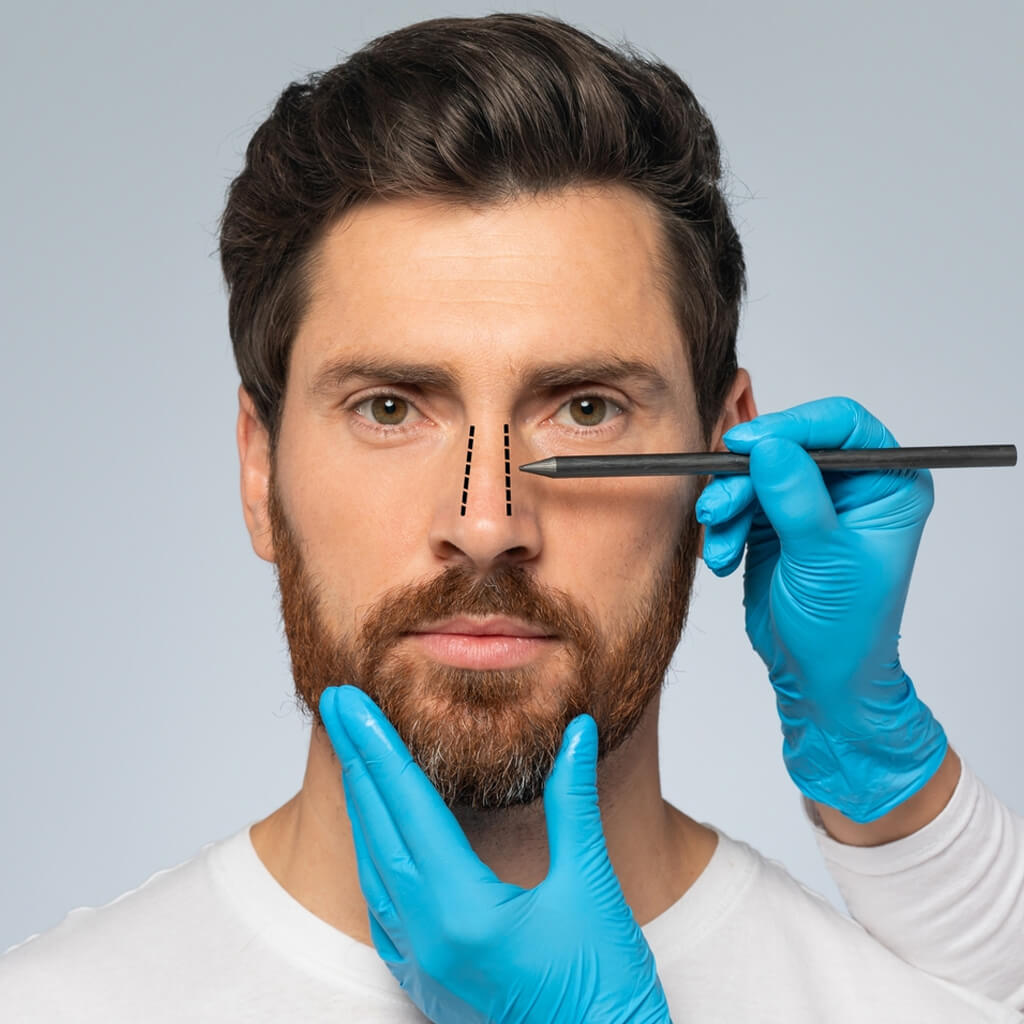
Rhinoplasty is a surgical procedure used to change the shape or structure of the nose. It may be performed for cosmetic reasons or to address certain structural problems that affect breathing.
Potential benefits include:
- Changing the shape or proportions of the nose.
- Correcting selected structural abnormalities.
- Improving nasal symmetry.
- Addressing certain breathing problems when appropriate.
Recovery varies depending on the complexity of the procedure. Swelling may take several weeks to improve, while subtle changes in the final shape can continue for months.
2. Liposuction
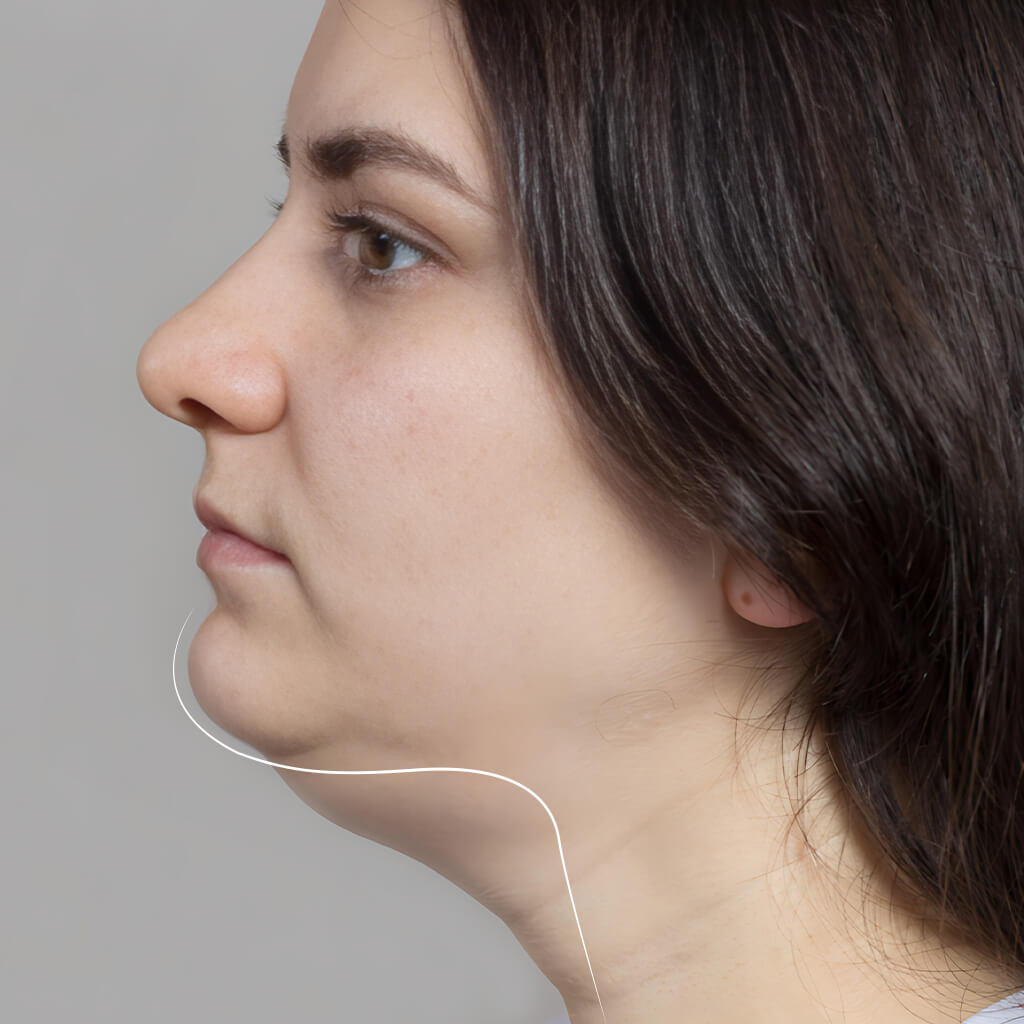
Liposuction is a body-contouring procedure that removes localised fat deposits from selected areas of the body. Common treatment areas include the abdomen, thighs, hips, arms, and chin.
It is generally intended for body contouring rather than overall weight loss.
Potential benefits include:
- Reducing stubborn fat deposits.
- Improving body contours.
- Creating a more balanced appearance.
- Addressing areas that have not responded to diet and exercise.
Recovery depends on the treatment area and extent of surgery. Bruising, swelling, and temporary discomfort are common, and compression garments may be recommended.
3. Tummy Tuck (Abdominoplasty)
A tummy tuck is a surgical procedure that removes excess abdominal skin and may tighten separated abdominal muscles when indicated.
It may be considered by people who have loose abdominal skin following pregnancy, significant weight loss, or ageing.
Potential benefits include:
- Removing excess abdominal skin.
- Improving the contour of the abdomen.
- Tightening abdominal muscles in suitable patients.
- Improving the appearance of loose or stretched skin.
Recovery usually takes several weeks. Patients may need to limit strenuous activities and follow specific wound-care instructions.
4. Breast Surgery
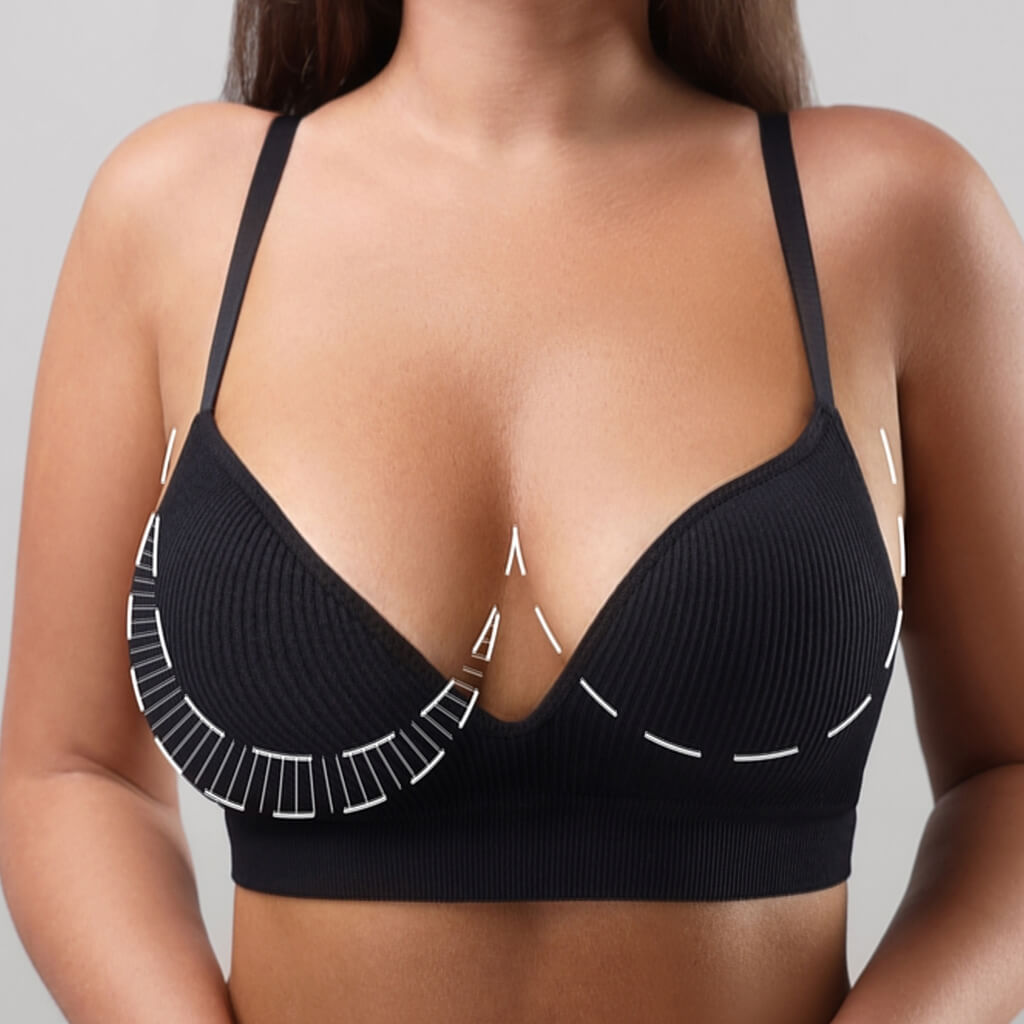
Breast surgery includes several procedures, such as breast augmentation, breast reduction, breast lift, and reconstructive surgery after breast-related medical treatment.
The purpose of treatment varies according to the procedure.
Possible benefits include:
- Changing breast size or shape.
- Reducing physical discomfort associated with overly large breasts.
- Addressing breast asymmetry.
- Reconstructing the breast after selected medical treatments or injuries.
The cost, recovery time, and risks depend on the specific procedure and the patient’s health.
5. Gynecomastia Surgery
Gynecomastia surgery treats enlarged male breast tissue. Depending on the cause and severity, treatment may involve removing glandular tissue, excess fat, or both.
Potential benefits include:
- Reducing excess breast tissue.
- Improving chest contour.
- Helping suitable patients feel more comfortable with their appearance.
Before surgery, a specialist may recommend evaluating the underlying cause of breast enlargement. Recovery commonly involves temporary swelling, bruising, and activity restrictions.
6. Facial Rejuvenation and Facelift Surgery
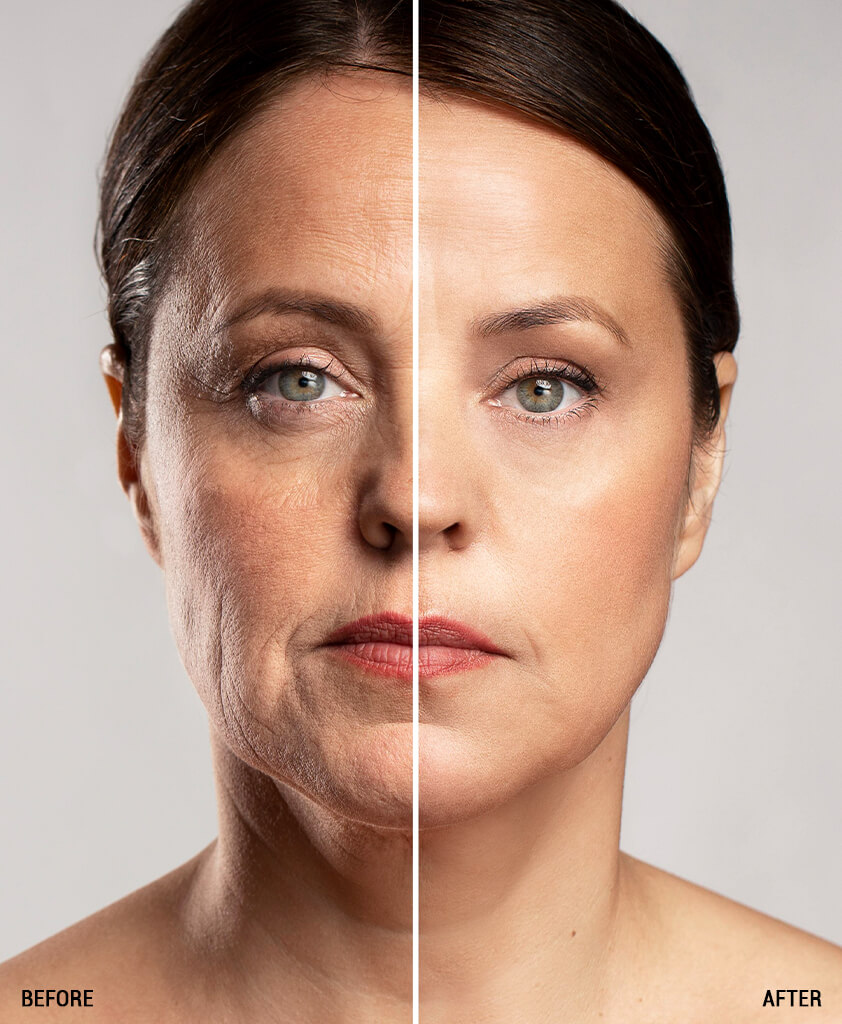
Facelift surgery addresses selected signs of facial ageing, including sagging skin and changes in facial contours. Other facial procedures may target the eyelids, forehead, or neck.
Potential benefits include:
- Improving selected signs of facial ageing.
- Reducing the appearance of sagging skin.
- Creating a more refreshed facial appearance.
- Addressing specific concerns through a personalised surgical plan.
Results and recovery vary with the technique used, the patient’s skin and tissue characteristics, and the extent of surgery.
7. Reconstructive Plastic Surgery
Reconstructive plastic surgery helps restore the appearance or function of body parts affected by injuries, burns, congenital differences, tumour removal, or other medical conditions.
Depending on the patient’s needs, reconstructive treatment may involve skin grafts, tissue flaps, scar revision, or other surgical techniques.
It can play an important role in restoring tissue coverage, improving function, and supporting recovery after trauma or disease.
8. Hand Surgery
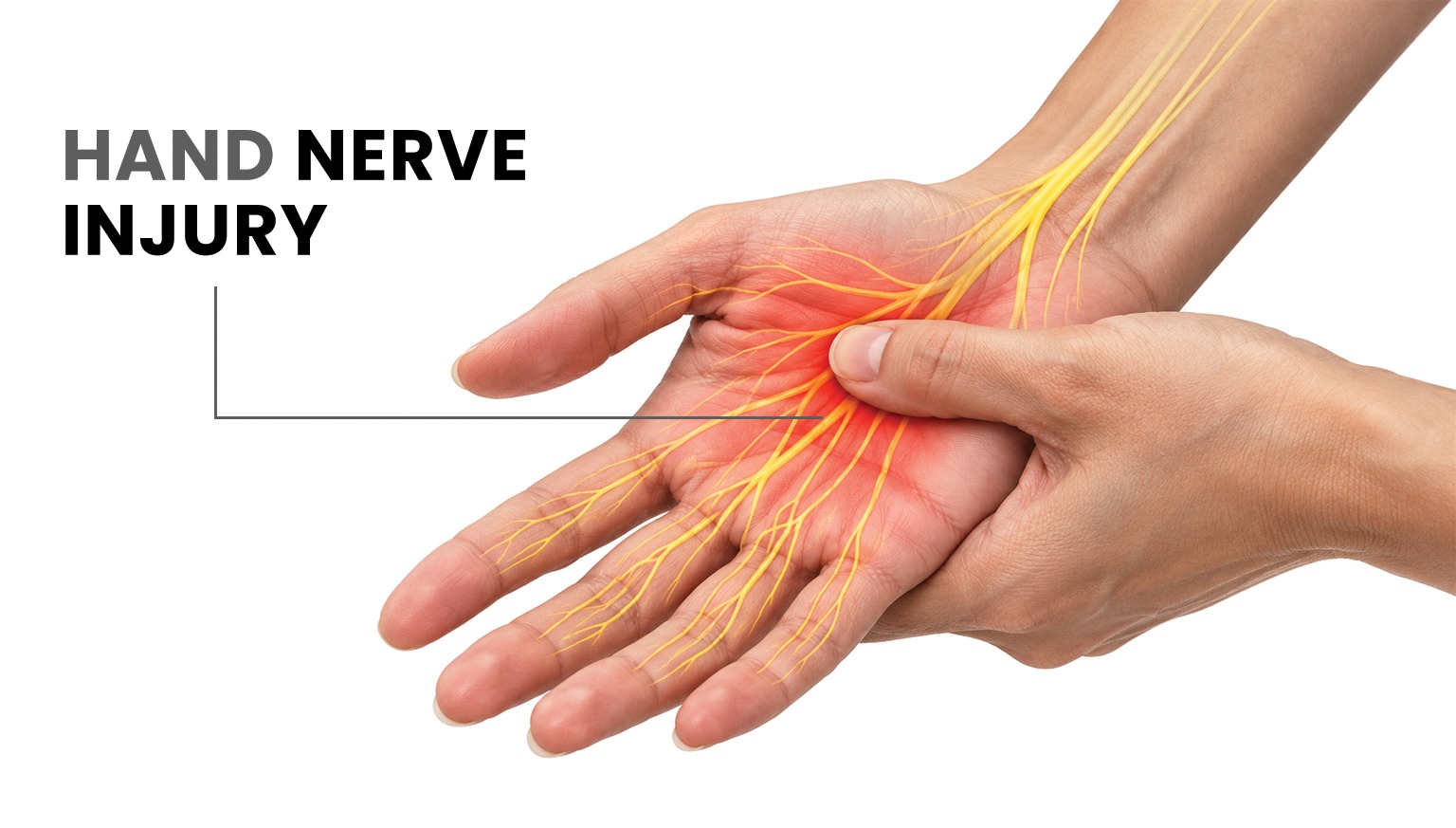
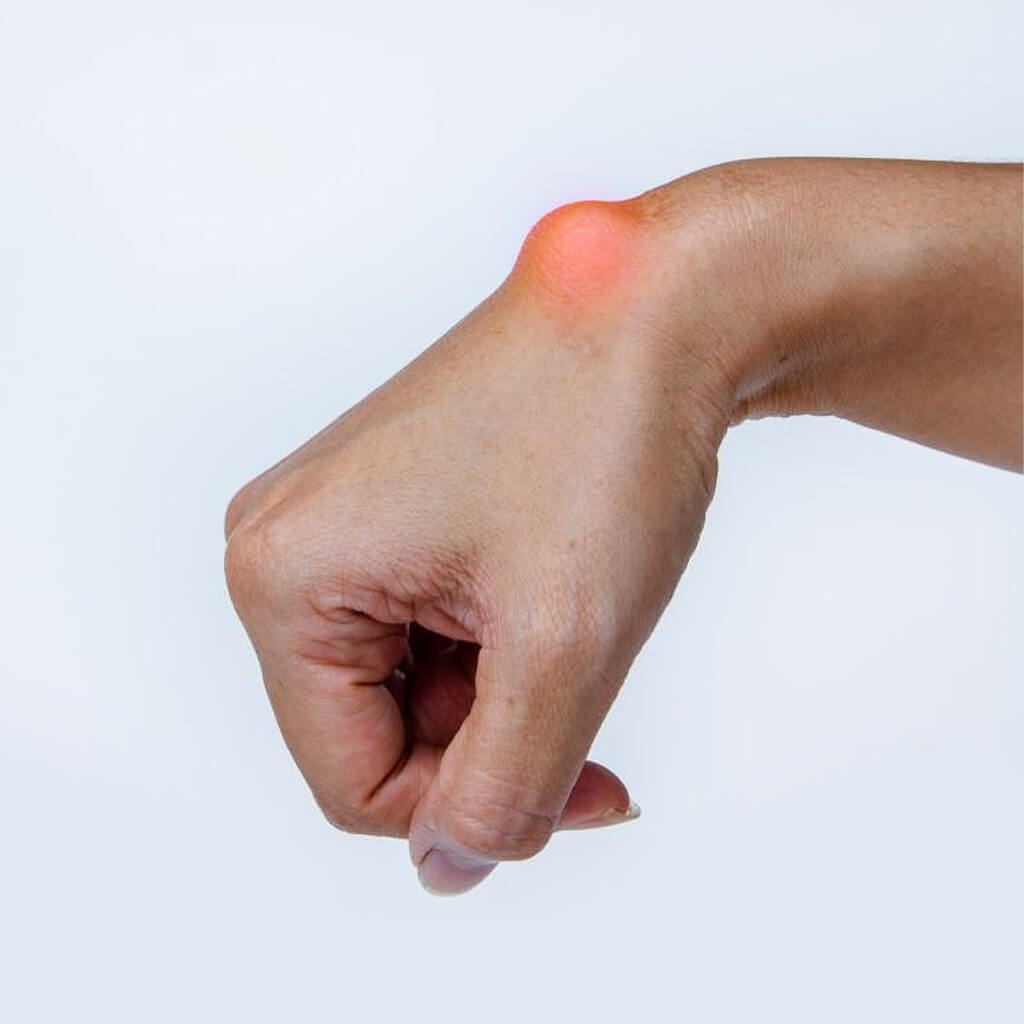
Hand surgery focuses on conditions affecting the fingers, hands, wrists, tendons, nerves, and surrounding tissues. Some procedures are performed to restore function following an injury, while others treat specific medical conditions.
Common reasons for hand surgery include:
- Tendon or nerve injuries.
- Fractures and selected complex hand injuries.
- Congenital hand conditions.
- Contractures and certain scar-related problems.
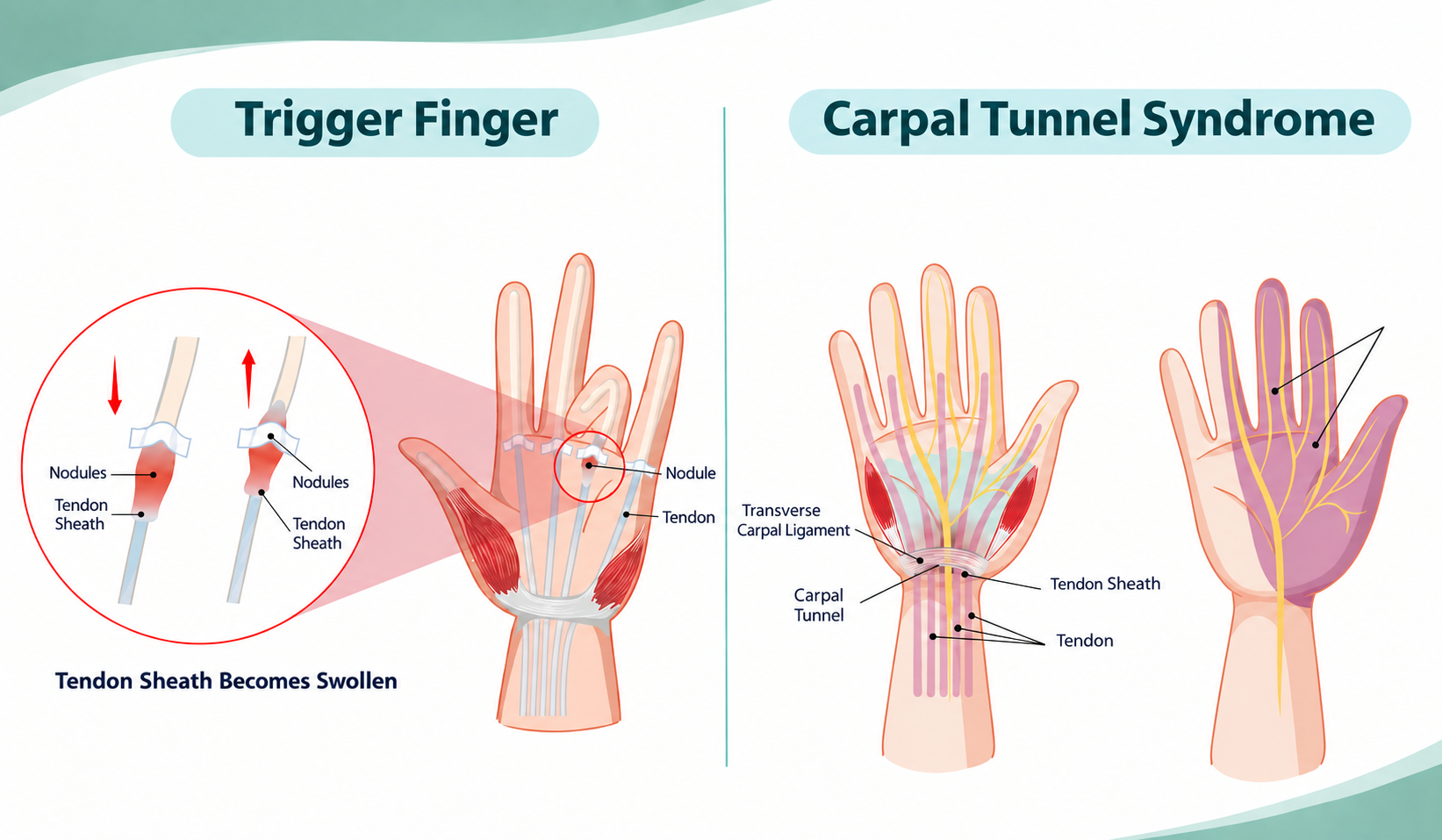
- Carpal tunnel syndrome and other selected nerve-compression conditions.
- Soft-tissue damage caused by trauma.
Dr. Anubhav Gupta is a plastic surgeon in Delhi whom patients can consult to discuss suitable treatment options for relevant plastic surgery and hand-related conditions. The appropriate procedure depends on the diagnosis, severity, and functional requirements.
Plastic Surgery Cost in Delhi
The cost of plastic surgery in Delhi varies according to the procedure, surgeon’s experience, hospital facilities, anaesthesia, diagnostic tests, and complexity of treatment.
The following table provides broad, illustrative cost estimates. These are not verified quotations from any specific surgeon or hospital.
| Plastic surgery procedure | Approximate cost in Delhi |
|---|---|
| Rhinoplasty (nose surgery) | ₹40,000–₹2,50,000 |
| Liposuction | ₹50,000–₹4,00,000 |
| Tummy tuck | ₹1,40,000–₹4,00,000 |
| Breast augmentation | ₹1,50,000–₹3,50,000 |
| Gynecomastia surgery | ₹60,000–₹1,50,000 |
| Facelift surgery | ₹1,50,000–₹4,00,000 |
What Factors Affect Plastic Surgery Cost?
Several factors can influence the total cost of plastic surgery in Delhi:
- Type of procedure: Different surgeries require different levels of expertise, equipment, and operating time.
- Complexity of the case: Extensive reconstruction or revision surgery may require additional resources.
- Surgeon’s experience and specialisation: Fees vary according to training, expertise, and the nature of the procedure.
- Hospital and operating-room charges: Facilities, admission requirements, and anaesthesia can affect the final bill.
- Medical tests and follow-up care: Investigations, medicines, dressings, and post-operative visits may add to the total.
For an accurate estimate, ask the treating surgeon for an individualised treatment plan and a written breakdown of the expected costs.
At our hand surgery clinic, skilled Plastic and Hand Surgeons restore hand strength, flexibility, and function with advanced techniques. Led by Dr. Anubhav Gupta, the Best Hand Surgeon in Delhi, we treat nerve injuries, brachial plexus palsy, fractures, and deformities. Trusted as the Best Hand Surgeon in India and your expert Hand Doctor Near Me
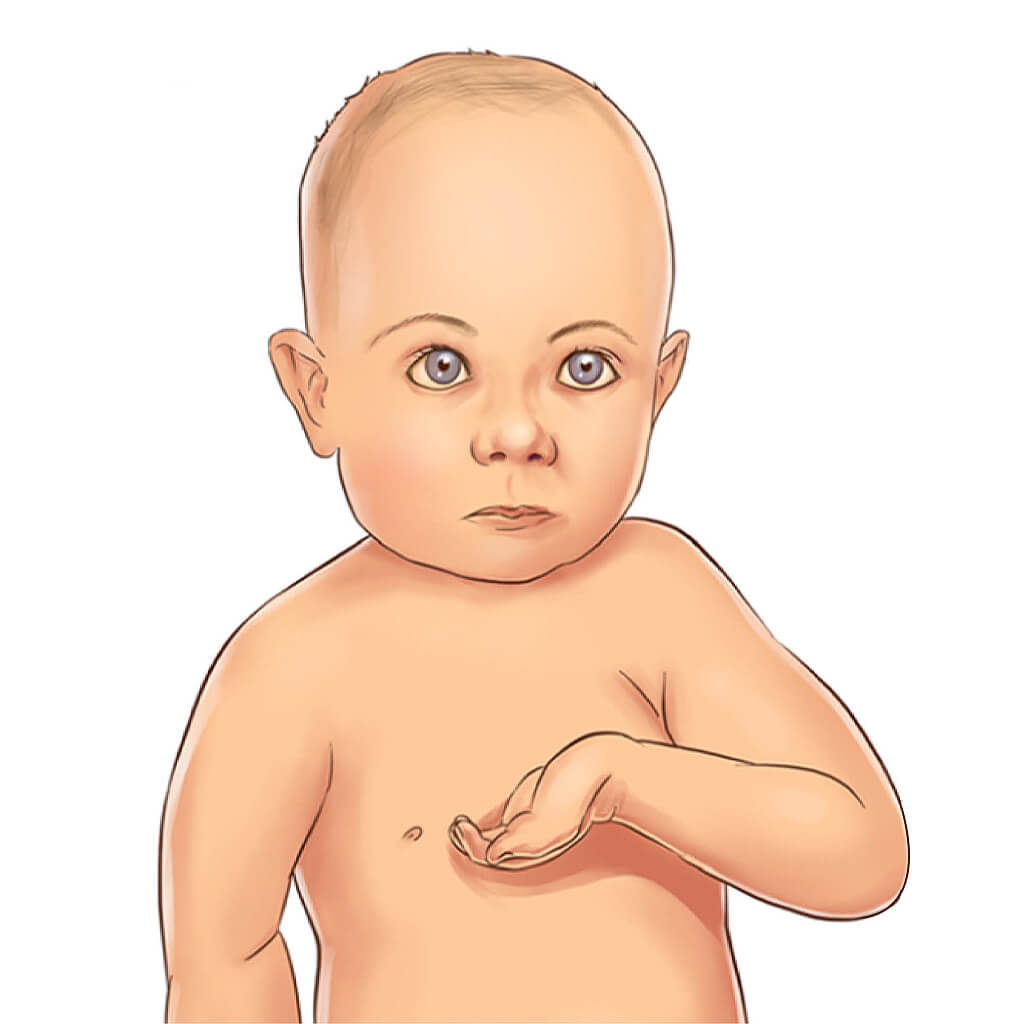
Brachial plexus is a vital nerve network that controls movement and sensation in the shoulder, arm & hand. Injury may cause weakness or paralysis. Dr. Anubhav Gupta is one of the best brachial plexus surgeon in Delhi, offering advanced brachial plexus injury treatment & recovery care at one of the best brachial plexus clinic in Delhi
At Dr. Anubhav Gupta’s practice, we believe in a comprehensive and patient-centric approach to breast surgery in Delhi. Our focus is on accurate diagnosis, personalized treatment plans, and advanced surgical techniques tailored to each patient’s unique needs. Whether it’s cosmetic breast enhancement, breast reconstruction, or corrective procedures, we prioritize patient safety, natural results, and a smooth recovery.
What Are the Benefits of Plastic Surgery?
Plastic surgery may provide physical, functional, and appearance-related benefits when performed for appropriate indications.
1. Improved Physical Appearance
Cosmetic procedures may help address concerns involving facial proportions, body contours, excess skin, or selected signs of ageing.
2. Restoration of Function
Certain reconstructive and hand surgery procedures can help restore movement, tissue coverage, or other functions affected by injuries or medical conditions.
3. Repair After Injuries or Burns
Reconstructive procedures may help repair damaged skin and tissues, improve selected scars, and support functional recovery.
4. Correction of Selected Congenital Conditions
Some procedures address structural differences present from birth. Treatment depends on the condition, its effect on function, and the patient’s age and needs.
5. Personal Comfort and Confidence
Some patients feel more comfortable with their appearance or physical function after surgery. However, results and satisfaction vary, and surgery cannot guarantee a particular emotional or psychological outcome.
How Long Does Recovery From Plastic Surgery Take?
Plastic surgery recovery depends on the type of procedure, the extent of surgery, the patient’s general health, and whether complications occur.
| Procedure | General recovery guidance |
|---|---|
| Rhinoplasty | Initial recovery often takes 1–2 weeks; swelling can persist for months. |
| Liposuction | Many patients need several days to 2 weeks for initial recovery, with swelling lasting longer. |
| Tummy tuck | Several weeks of recovery are common; strenuous activities may remain restricted for longer. |
| Breast surgery | Initial recovery often takes 1–2 weeks, depending on the procedure. |
| Gynecomastia surgery | Many patients resume light activities within days, subject to medical advice. |
| Facelift | Initial recovery commonly takes 2–3 weeks, although residual swelling may last longer. |
| Hand surgery | Recovery can range from weeks to months, depending on the injury, procedure, and rehabilitation needs. |
These are general estimates, not individual medical instructions. Your surgeon should provide a recovery plan based on your specific procedure.
Tips for a Smooth Recovery
- Follow your surgeon’s wound-care and medication instructions.
- Attend scheduled follow-up appointments.
- Avoid strenuous exercise and heavy lifting until cleared.
- Maintain appropriate nutrition and hydration.
- Do not smoke or use nicotine during the period advised by your surgical team.
- Follow rehabilitation or hand-therapy recommendations when prescribed.
- Contact your medical team promptly if you develop increasing pain, fever, spreading redness, wound problems, or other concerning symptoms.
Seek urgent medical care for severe breathing difficulty, chest pain, or other emergency symptoms.
Is Plastic Surgery Safe?
Plastic surgery carries risks, just like other surgical procedures. Depending on the operation, these may include bleeding, infection, scarring, anaesthesia-related complications, blood clots, changes in sensation, asymmetry, or the need for additional surgery.
The level of risk depends on the patient’s health, the procedure, and the surgical setting.
You can make a more informed decision by:
- Choosing a suitably qualified and registered plastic surgeon.
- Confirming the surgeon’s training and experience with the specific procedure.
- Discussing your medical history, medicines, and previous surgeries.
- Understanding the expected results, limitations, alternatives, and possible complications.
- Ensuring the procedure takes place in an appropriately equipped, accredited or otherwise suitably licensed facility.
- Following all pre-operative and post-operative instructions.
No surgeon or procedure can guarantee a perfect result. A thorough consultation helps establish realistic expectations and assess whether surgery is appropriate.
How to Choose the Best Plastic Surgeon in Delhi
Choosing the right plastic surgeon is one of the most important steps when considering cosmetic, reconstructive, or hand surgery.
Rather than relying only on online rankings or promotional claims, evaluate the surgeon’s qualifications, relevant experience, treatment approach, and surgical facilities.
Consider the following factors:
1. Qualifications and registration: Verify recognised specialist training and registration with the appropriate medical authority.
2. Experience with your procedure: Ask how frequently the surgeon performs the specific operation you are considering.
3. Clear communication: A good consultation should explain the diagnosis, available treatment options, realistic outcomes, risks, and recovery requirements.
4. Hospital and safety standards: Ask about the operating facility, anaesthesia arrangements, and emergency support.
5. Follow-up care: Confirm how post-operative appointments, wound checks, and complications are managed.
6. Transparent pricing: Request a written estimate that explains what is included and which additional expenses may arise.
Conclusion
Choosing the right plastic surgery in Delhi starts with understanding the available procedures, treatment costs, benefits, risks, and recovery time. Whether you are considering cosmetic surgery, reconstructive surgery, scar revision, or hand surgery, consulting an experienced and qualified specialist is essential for safe, personalised care.
Dr. Anubhav Gupta, a plastic and hand surgeon in Delhi, can be considered for a consultation about relevant surgical concerns. Discuss your treatment goals, suitable procedures, expected results, and recovery plan to make an informed decision. The right approach should prioritise your health, safety, and long-term well-being.
Book a Consultation
It’s easy and free!