Facelift surgery is a cosmetic procedure designed to address visible signs of facial aging such as sagging skin, jowls, loose facial tissues, and deep folds. While a facelift can create a more refreshed and youthful facial appearance, understanding the before-and-after results, recovery timeline, and realistic expectations is important before considering surgery. Patients researching facelift surgery …

Facelift surgery is a cosmetic procedure designed to address visible signs of facial aging such as sagging skin, jowls, loose facial tissues, and deep folds. While a facelift can create a more refreshed and youthful facial appearance, understanding the before-and-after results, recovery timeline, and realistic expectations is important before considering surgery.
Patients researching facelift surgery in Delhi often want to know what changes they can expect, how long recovery takes, whether results look natural, and how long the improvement may last.
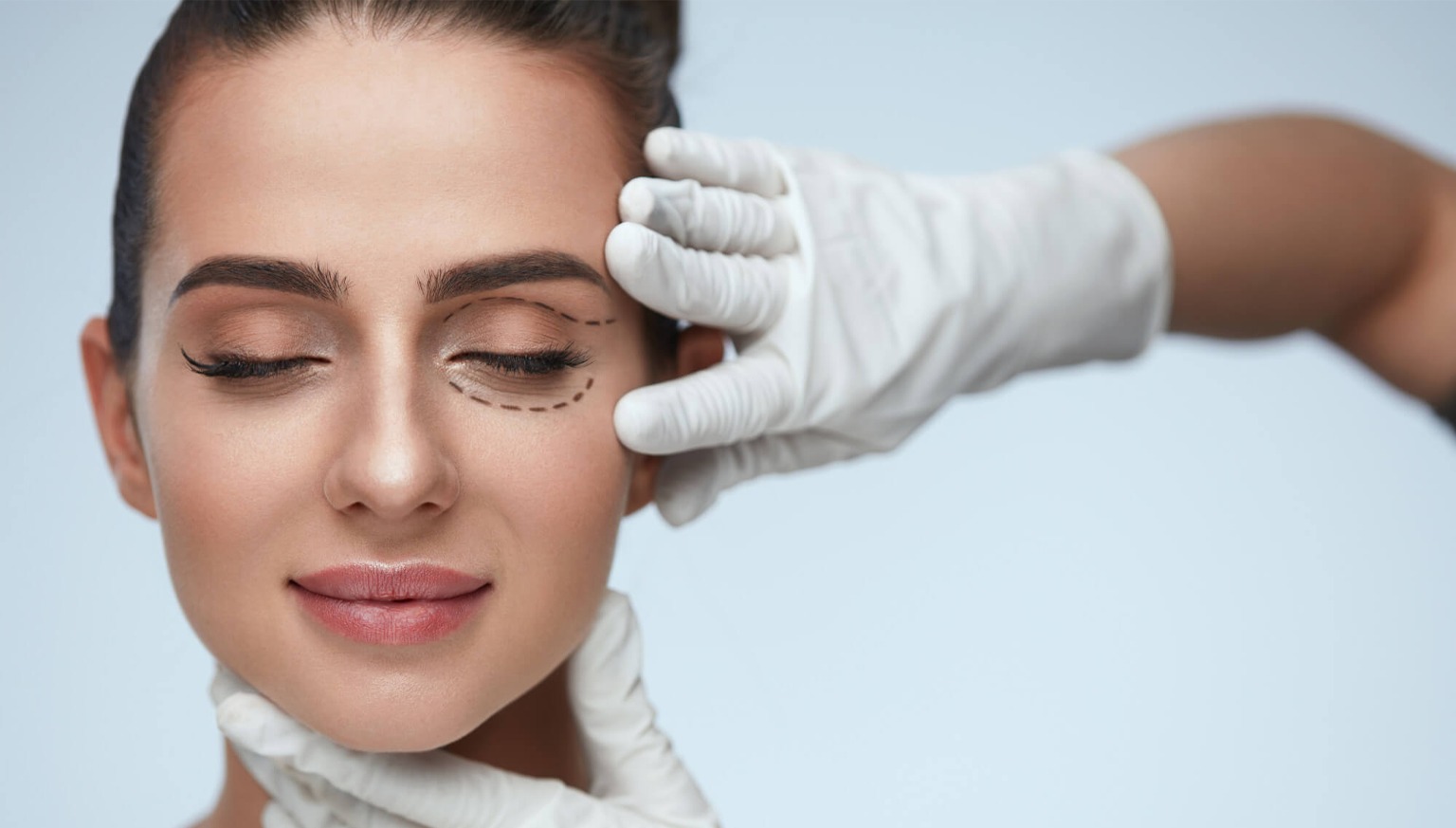
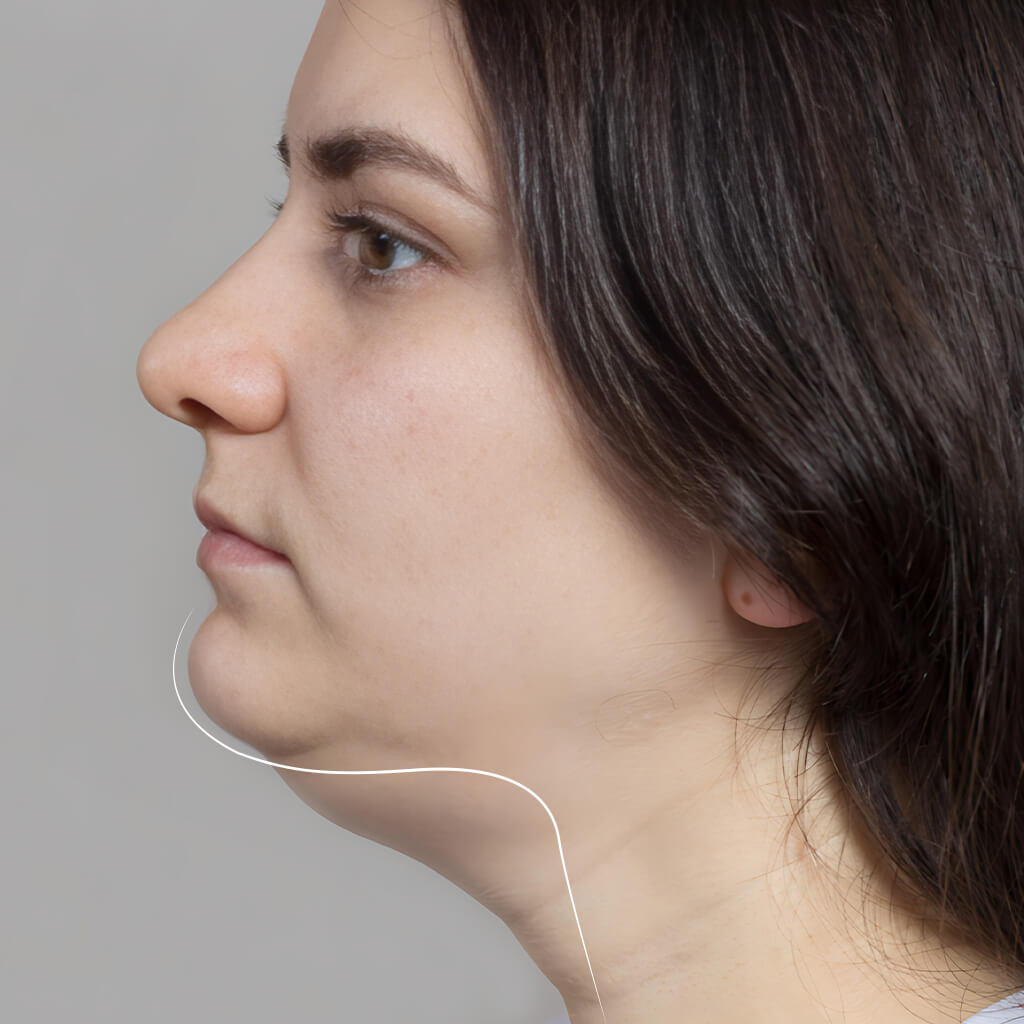
What Is Facelift Surgery? A facelift, medically known as rhytidectomy, is a surgical procedure used to improve visible facial aging. Depending on the patient's concerns and surgical plan, it may address: Sagging facial skin Loose tissues around the cheeks Jowls along the jawline Deep facial folds Loss of definition around the lower face Loose skin around the neck Signs of aging in the mid and lower face Unlike non-surgical facial rejuvenation treatments, facelift surgery can reposition underlying facial tissues and remove or redistribute excess skin.
Facelift Surgery Before and After: What Changes Can You Expect?
-
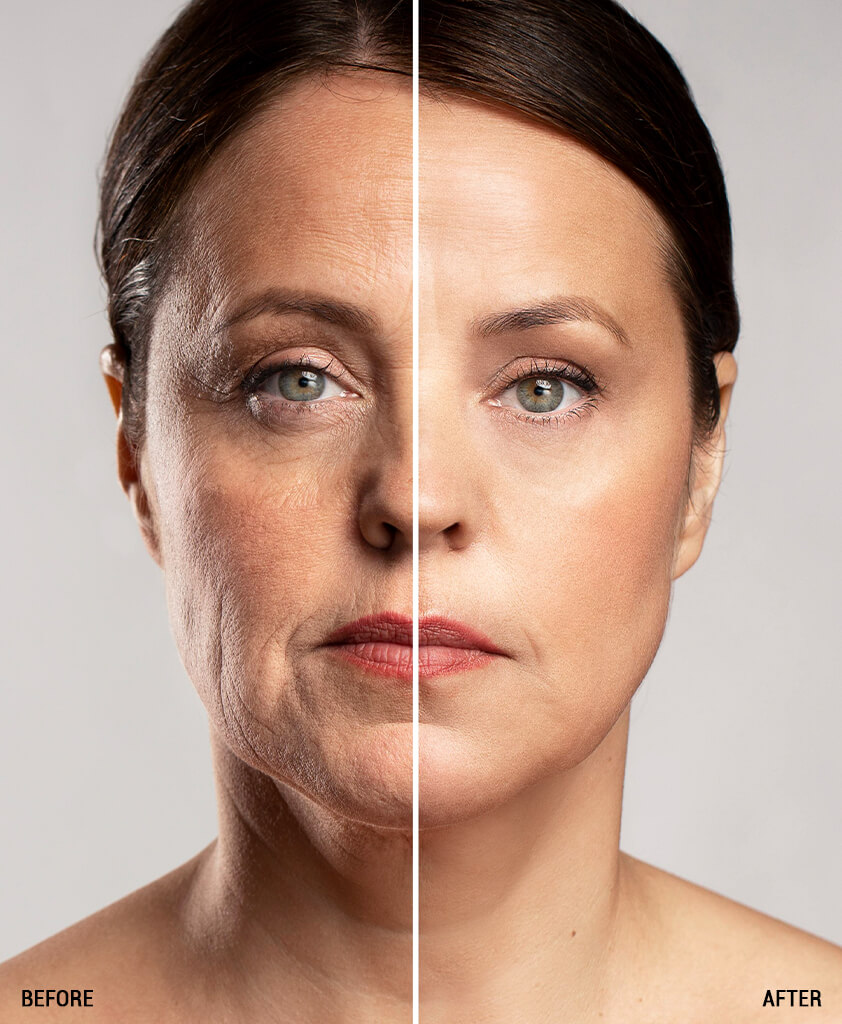
Facelift before-and-after results vary from person to person. Factors such as age, skin elasticity, facial anatomy, degree of skin laxity, surgical technique, and healing can influence the final appearance.
Before Facelift Surgery
Patients commonly seek a facelift because they notice:
- Loose or sagging facial skin
- Jowls around the jawline
- Deeper nasolabial folds
- Reduced jawline definition
- Loose skin in the lower face and neck
- An overall tired or aged facial appearance
During consultation, the surgeon evaluates the patient’s facial structure, skin quality, areas of concern, and expectations.
After Facelift Surgery
A successful facelift may help create:
- A firmer and more defined jawline
- Reduced appearance of jowls
- Smoother facial contours
- Improvement in loose facial skin
- A more refreshed facial appearance
- Better definition between the face and neck
The objective is generally facial rejuvenation rather than changing the person’s identity or making the face look artificially tight.
Facelift Recovery Timeline
Recovery is an important part of the facelift surgery journey. Swelling and bruising are expected during the early healing period, and the appearance immediately after surgery should not be considered the final result.
First Few Days
During the initial days, patients may experience:
- Facial swelling
- Bruising
- Tightness
- Mild discomfort
- Temporary numbness
- Reduced facial mobility
Your surgeon may provide specific instructions regarding medication, wound care, sleeping position, and physical activity.
First 1–2 Weeks
Swelling and bruising generally begin to improve. Some patients may gradually return to light daily activities, depending on their individual recovery and surgeon’s advice.
Avoid strenuous exercise and activities that could interfere with healing unless your surgeon has cleared them.
2–6 Weeks
The face generally continues to settle as swelling decreases. Many patients notice that their facial contours look increasingly natural during this stage.
However, healing continues beyond the initial few weeks.
Several Months After Surgery
The final appearance can take several months to become apparent as residual swelling settles and tissues continue to heal.
Your surgeon will determine when your recovery has progressed sufficiently for normal activities based on your individual case.
When Can You See Facelift Results?
Facelift results are not immediately visible in their final form.
Initially, swelling and bruising can make the face appear different from the expected final result. As healing progresses, facial contours gradually become more defined.
A useful way to think about the process is:
Surgery → Early swelling → Initial healing → Reduced swelling → Tissue settling → More refined result
Your surgeon can provide a more personalized timeline based on the specific facelift technique and your health and healing response.
How Long Do Facelift Results Last?
A facelift can provide long-lasting improvement, but it does not stop the natural aging process.
Your skin and facial tissues will continue to age after surgery. Factors such as:
- Age
- Genetics
- Sun exposure
- Smoking
- Skin quality
- Weight fluctuations
- Lifestyle
can influence how the face changes over time.
Maintaining a healthy lifestyle and following appropriate skincare and sun-protection practices may help support the appearance of the skin.
Does a Facelift Look Natural?
One of the major concerns patients have before facelift surgery is whether the face will look overly tight or unnatural.
Modern facelift techniques generally focus on improving facial contours while maintaining natural facial proportions and expression.
The outcome depends significantly on:
- Surgical planning
- Facial anatomy
- Surgical technique
- Skin quality
- Tissue repositioning
- The amount of correction required
- Individual healing
A facelift should be planned according to the patient’s facial characteristics rather than using the same approach for everyone.
Facelift Before and After: Why Results Differ Between Patients
It is important not to compare your potential outcome directly with another patient’s facelift photographs.
Before-and-after results can differ because of:
Age and Skin Elasticity
Younger skin may have different elasticity compared with older or significantly sun-damaged skin.
Degree of Facial Sagging
Patients with mild skin laxity may require a different approach from patients with significant jowls or loose facial tissues.
Facial Structure
Bone structure, fat distribution, facial proportions, and existing asymmetry can influence the final appearance.
Surgical Technique
Different facelift techniques may be appropriate for different patients, including mini facelift, SMAS facelift, deep-plane facelift, or other approaches.
Healing
Every patient heals differently. Swelling, bruising, scar maturation, and tissue settling can vary.
Facelift Surgery vs Non-Surgical Treatments
Not every patient with facial aging requires surgery. Depending on the concern, a doctor may discuss options such as:
- Dermal fillers
- Botox
- Thread lift
- Skin tightening treatments
- Laser treatments
- Energy-based skin rejuvenation
However, these treatments have different indications and limitations.
For significant skin laxity and jowling, surgical facial rejuvenation may be considered when non-surgical treatments cannot provide the desired degree of improvement.
Who May Be a Candidate for Facelift Surgery?
A facelift may be considered for adults experiencing visible signs of facial aging who are in suitable overall health and have realistic expectations.
A consultation may be appropriate if you are concerned about:
- Sagging cheeks
- Jowls
- Loose facial skin
- Reduced jawline definition
- Lower-face aging
- Neck and jawline laxity
A qualified plastic surgeon should evaluate your facial anatomy and medical history before recommending surgery.
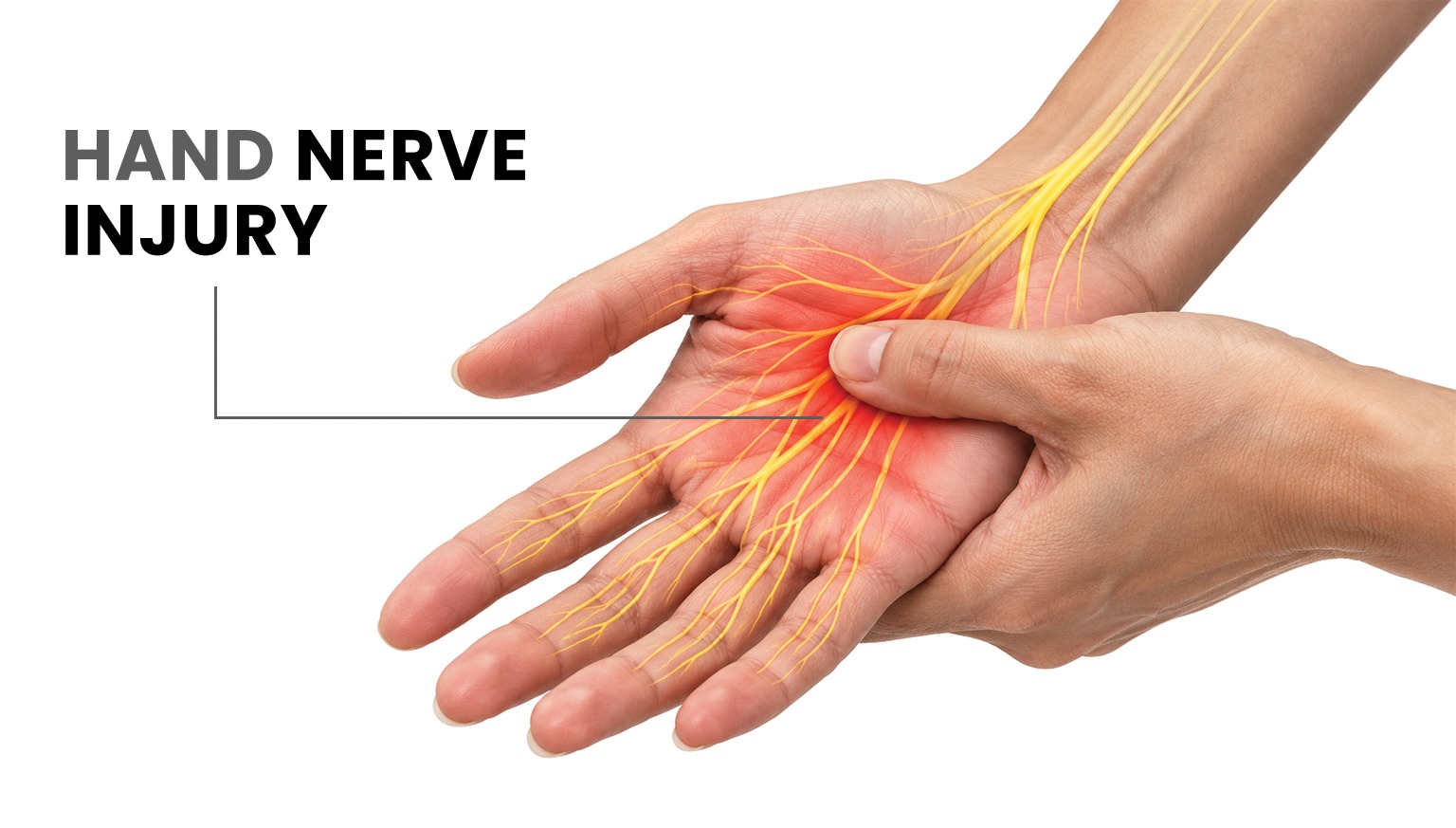
At our hand surgery clinic, skilled Plastic and Hand Surgeons restore hand strength, flexibility, and function with advanced techniques. Led by Dr. Anubhav Gupta, the Best Hand Surgeon in Delhi, we treat nerve injuries, brachial plexus palsy, fractures, and deformities. Trusted as the Best Hand Surgeon in India and your expert Hand Doctor Near Me
Brachial plexus is a vital nerve network that controls movement and sensation in the shoulder, arm & hand. Injury may cause weakness or paralysis. Dr. Anubhav Gupta is one of the best brachial plexus surgeon in Delhi, offering advanced brachial plexus injury treatment & recovery care at one of the best brachial plexus clinic in Delhi
At Dr. Anubhav Gupta’s practice, we believe in a comprehensive and patient-centric approach to breast surgery in Delhi. Our focus is on accurate diagnosis, personalized treatment plans, and advanced surgical techniques tailored to each patient’s unique needs. Whether it’s cosmetic breast enhancement, breast reconstruction, or corrective procedures, we prioritize patient safety, natural results, and a smooth recovery.
Facelift Surgery in Delhi
Patients searching for facelift surgery in Delhi should focus on choosing a properly qualified surgeon with relevant experience in facial rejuvenation surgery.
During a consultation, the surgeon should assess your facial anatomy, skin laxity, aesthetic goals, medical history, and expectations before recommending a treatment plan.
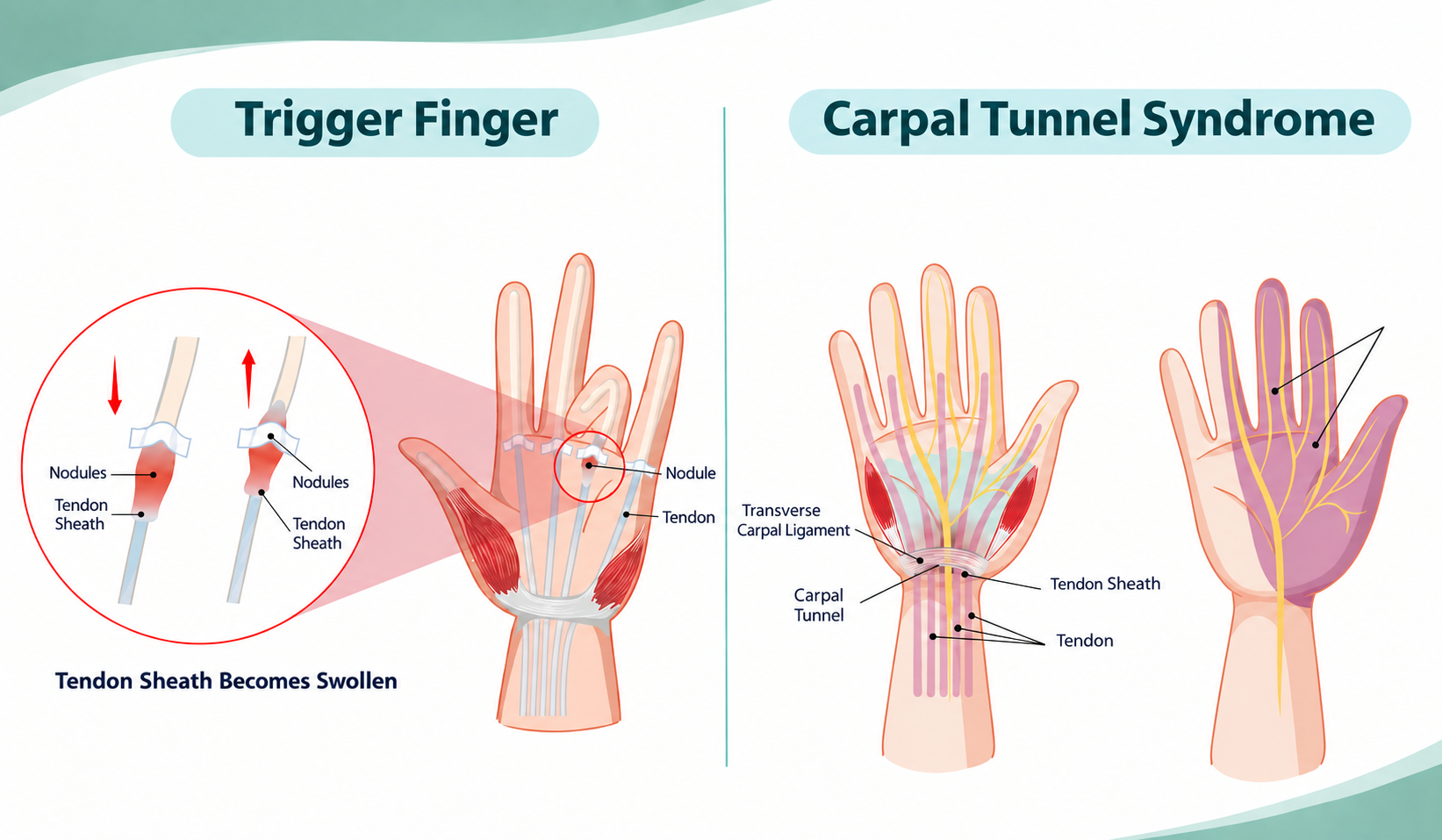
While Dr. Anubhav Gupta is a hand surgeon in Delhi, facelift surgery requires consultation with a surgeon appropriately trained and qualified in plastic, cosmetic, or facial rejuvenation surgery.Rather than assuming that finger pain or numbness is trigger finger or carpal tunnel syndrome, getting an accurate diagnosis is important because the two conditions require different approaches to treatment.
CONCLUSION
Facelift surgery before-and-after results should be judged after adequate healing, not immediately after surgery. Swelling and bruising can temporarily affect the appearance, while the face continues to settle over the following weeks and months.
For people considering facelift treatment in Delhi, understanding the procedure, recovery timeline, potential results, risks, and realistic expectations can help them have a more informed discussion with a qualified facial or plastic surgeon.
Book a Consultation
It’s easy and free!