Recovering after hand surgery takes time and proper care. Whether you have had surgery for a hand fracture, tendon injury, nerve damage, carpal tunnel syndrome or another hand problem, following the right recovery steps can help your hand heal properly. Our hands are important for everyday activities such as writing, eating, driving, working and holding …

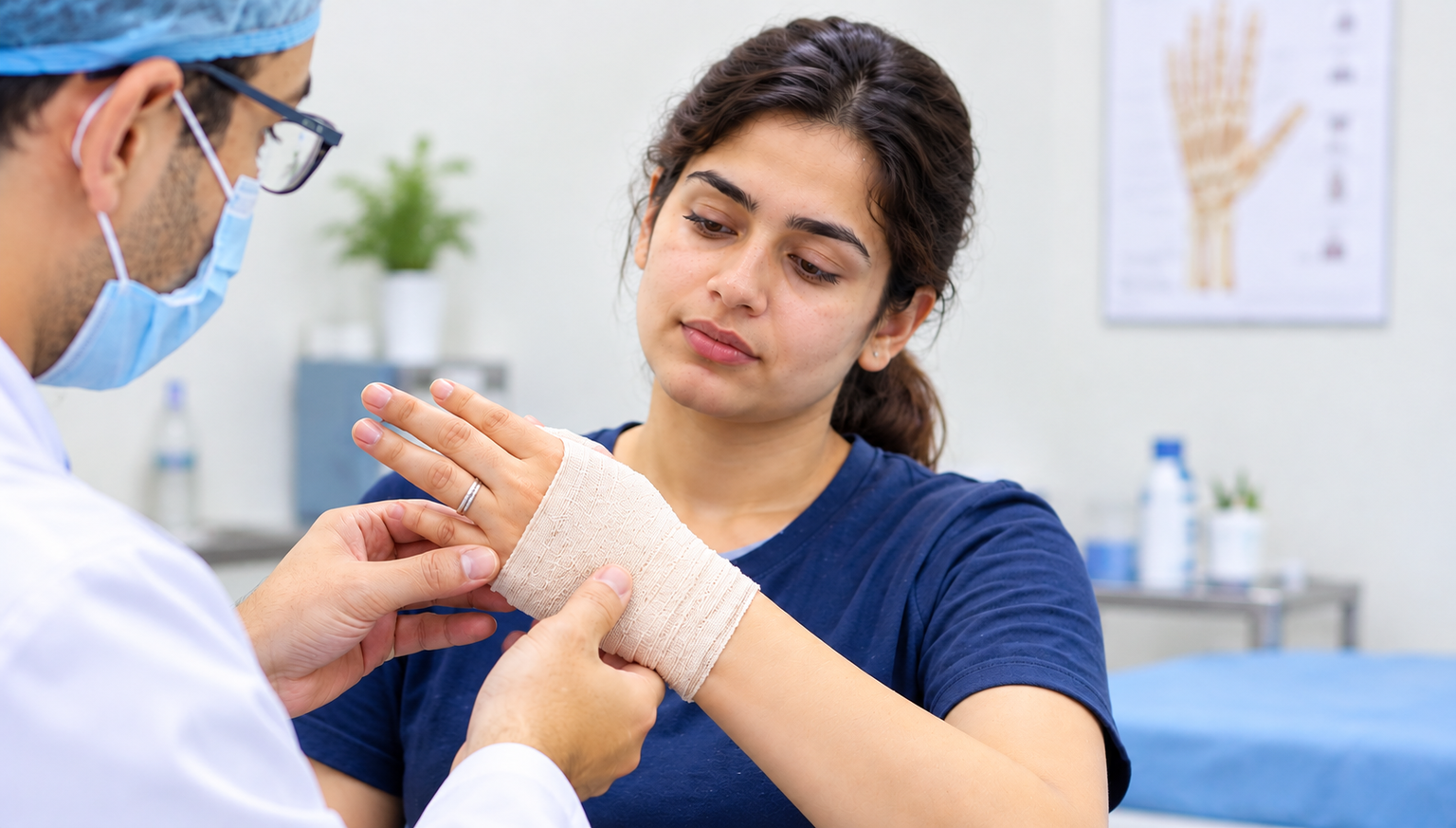
Recovering after hand surgery takes time and proper care. Whether you have had surgery for a hand fracture, tendon injury, nerve damage, carpal tunnel syndrome or another hand problem, following the right recovery steps can help your hand heal properly.
Our hands are important for everyday activities such as writing, eating, driving, working and holding objects. After surgery, you may experience pain, swelling, stiffness or difficulty moving your fingers. These problems usually improve with proper treatment and care.
Many patients ask: How long does it take to recover after hand surgery? What should I do to reduce swelling? When can I start using my hand normally?
In this article, Dr. Anubhav Gupta explains important hand surgery recovery tips, common precautions and ways to support better healing.
Dr. Anubhav Gupta is one of the best hand surgeons in Delhi, providing expert care for hand fractures, tendon injuries, nerve injuries and other hand conditions. His focus is on proper diagnosis, appropriate treatment and personalised recovery guidance to help patients regain hand function and return to their daily activities
How Long Does It Take to Recover After Hand Surgery? The recovery time after hand surgery depends on the type of surgery, the severity of the injury and the patient's overall health. Some patients recover within a few weeks, while complex hand surgeries may take several months.
Here is a general recovery timeline
Recovery Period | What to Expect |
|---|---|
First Few Days | Pain, swelling and mild discomfort |
1–2 Weeks | Wound healing and follow-up visits |
2–6 Weeks | Gradual improvement in finger and hand movement |
6–12 Weeks | Improvement in hand strength and daily activities |
3–6 Months | Further recovery and better hand function in complex cases |
10 Tips for Faster Recovery After Hand Surgery
Proper care after hand surgery can help reduce discomfort, improve movement and support the healing process. Here are 10 important tips to follow.
1. Keep Your Hand Elevated
Swelling is common after hand surgery. Keeping your hand raised above heart level can help reduce swelling and discomfort.
Follow these simple steps:
-
Keep your hand on a pillow while resting.
-
Raise your hand as advised by your doctor.
-
Avoid keeping your hand down for long periods.
-
Do not put unnecessary pressure on your operated hand.
If swelling becomes severe or suddenly increases, contact your surgeon.
2. Follow Your Doctor’s Instructions
Every hand surgery is different. The care required after fracture surgery may be different from tendon repair or nerve surgery.
Always follow your doctor’s instructions about:
-
Medicines and pain management.
-
Dressing changes and wound care.
-
Finger and wrist movements.
-
Splint or cast usage.
-
Follow-up appointments.
Do not try exercises or treatments without asking your doctor.
3. Take Your Medicines on Time
Pain and discomfort are common during the first few days after surgery. Your doctor may prescribe medicines to control pain and prevent or treat infection when needed.
For better recovery:
-
Take medicines as prescribed.
-
Do not change the dosage yourself.
-
Avoid taking other medicines without medical advice.
-
Inform your doctor if you experience side effects.
Taking medicines correctly can make your recovery more comfortable.
4. Keep the Surgical Wound Clean
Proper wound care helps prevent infection and supports healing after hand surgery.
Remember these important precautions:
-
Keep the dressing clean and dry.
-
Do not remove the dressing without medical advice.
-
Avoid soaking your hand in water.
-
Do not apply oils or creams to the wound without asking your doctor.
If you notice redness, pus, fever or increasing pain, contact your surgeon.
5. Start Hand Exercises at the Right Time
After surgery, your fingers and wrist may feel stiff. Hand exercises and physiotherapy can help improve movement and strength.
Depending on your surgery, your doctor may recommend:
-
Gentle finger exercises.
-
Wrist movement exercises.
-
Hand stretching.
-
Grip-strengthening exercises.
-
Hand rehabilitation therapy.
Do not start exercises too early. Follow your surgeon’s advice because some injuries, especially tendon repairs, need special protection during healing.
6. Eat Healthy Food for Faster Healing
A healthy diet helps your body repair tissues after surgery. Eating nutritious food can support wound healing and recovery.
Include these foods in your daily diet:
-
Protein: Eggs, milk, paneer, pulses and fish.
-
Vitamin C: Orange, amla, guava and lemon.
-
Zinc: Nuts, seeds and whole grains.
-
Calcium: Milk, curd and other calcium-rich foods.
-
Healthy fats: Nuts and seeds.
Drink enough water and maintain a balanced diet.
7. Avoid Heavy Lifting and Extra Pressure
Do not start using your operated hand for heavy work immediately after surgery.
Avoid:
-
Lifting heavy objects.
-
Carrying heavy bags.
-
Pushing or pulling heavy items.
-
Playing sports without medical clearance.
-
Making sudden or forceful hand movements.
Return to your normal activities slowly, as advised by your surgeon.
8. Do Not Miss Follow-Up Appointments
Regular follow-up visits help your doctor check whether your hand is healing properly.
During these visits, your surgeon may check:
-
Wound healing.
-
Finger and wrist movement.
-
Swelling and pain.
-
Bone or tendon healing, where applicable.
-
Your need for physiotherapy.
Even if you feel better, do not skip your scheduled appointments.
9. Avoid Smoking
Smoking can affect blood circulation and slow down the body’s healing process. It may also increase the risk of wound healing problems.
Avoid smoking during recovery and discuss alcohol consumption with your doctor, especially if you are taking medicines.
10. Give Your Hand Enough Time to Heal
One of the most important hand surgery recovery tips is to be patient.
Some patients start moving their hands comfortably within a few weeks, while others need more time.
Do not compare your recovery with other patients. Follow your treatment plan and avoid rushing back to normal activities.
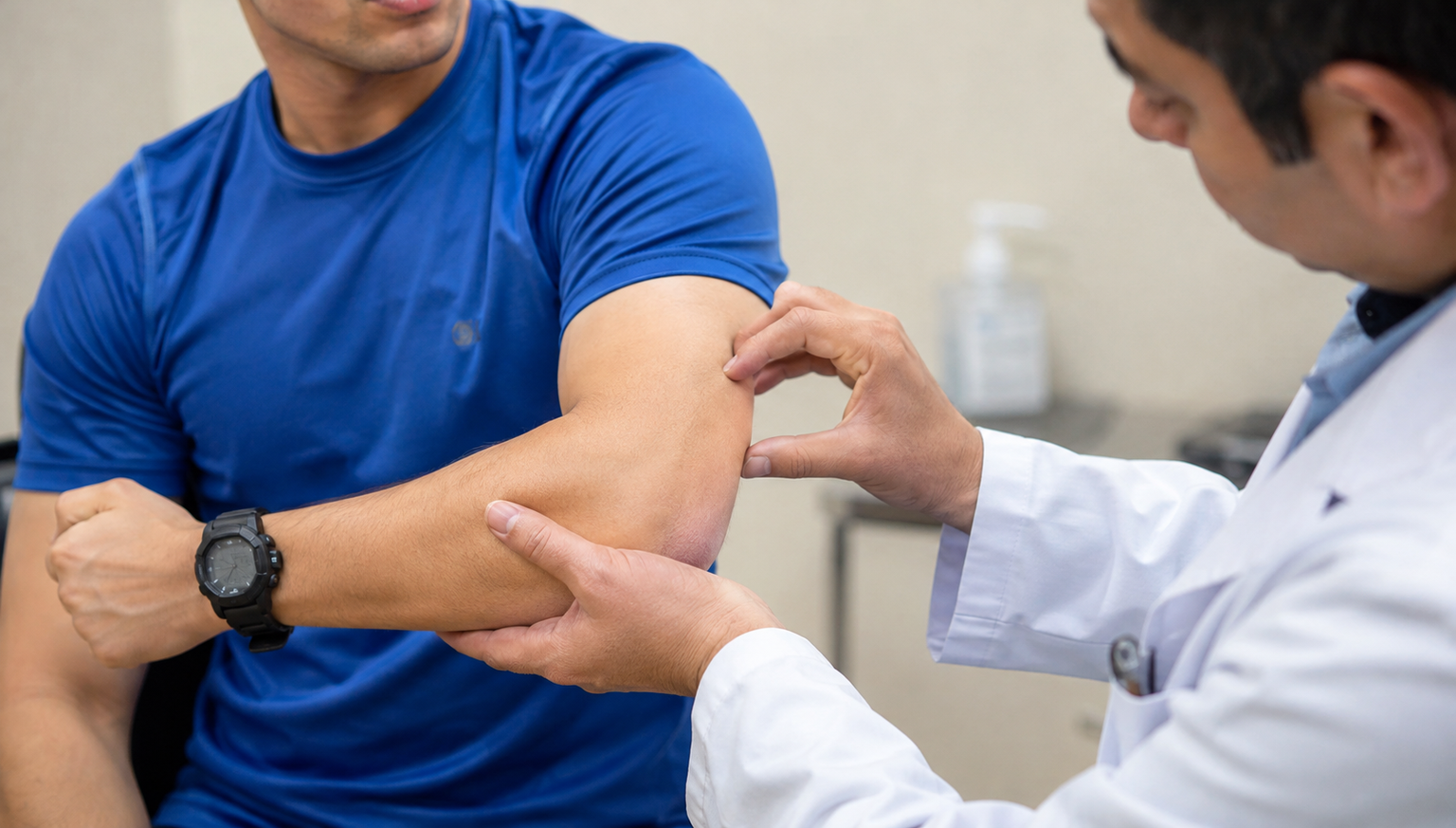
At our hand surgery clinic, skilled Plastic and Hand Surgeons restore hand strength, flexibility, and function with advanced techniques. Led by Dr. Anubhav Gupta, the Best Hand Surgeon in Delhi, we treat nerve injuries, brachial plexus palsy, fractures, and deformities. Trusted as the Best Hand Surgeon in India and your expert Hand Doctor Near Me
Brachial plexus is a vital nerve network that controls movement and sensation in the shoulder, arm & hand. Injury may cause weakness or paralysis. Dr. Anubhav Gupta is one of the best brachial plexus surgeon in Delhi, offering advanced brachial plexus injury treatment & recovery care at one of the best brachial plexus clinic in Delhi
At Dr. Anubhav Gupta’s practice, we believe in a comprehensive and patient-centric approach to breast surgery in Delhi. Our focus is on accurate diagnosis, personalized treatment plans, and advanced surgical techniques tailored to each patient’s unique needs. Whether it’s cosmetic breast enhancement, breast reconstruction, or corrective procedures, we prioritize patient safety, natural results, and a smooth recovery.
Common Problems After Hand Surgery
Some pain, swelling and stiffness are normal after surgery. However, it is important to understand which symptoms need medical attention.
|
Common Problem |
Reason |
|---|---|
|
Hand swelling |
Normal response to surgery and tissue healing |
|
Finger stiffness |
Swelling and reduced movement |
|
Pain |
Healing tissues and surgical recovery |
|
Numbness |
May be related to nerve involvement |
|
Weak grip |
Reduced muscle use during recovery |
|
Scar sensitivity |
Healing of the surgical wound |
If you experience severe pain, increasing swelling, fever, pus or spreading redness, contact your doctor. If your fingers become cold, pale or blue, seek urgent medical attention.
When Should You Start Physiotherapy After Hand Surgery?
Physiotherapy is an important part of recovery after many types of hand surgery. It helps improve finger movement, wrist flexibility, hand strength and daily activities.
The right time to start physiotherapy depends on your surgery.
For example:
-
Hand fracture surgery: Exercises may start when your surgeon confirms that movement is safe.
-
Tendon repair surgery: Special exercises help restore movement while protecting the repaired tendon.
-
Nerve surgery: Rehabilitation may help improve hand movement and muscle function.
-
Carpal tunnel surgery: Gentle finger and wrist movements may be recommended.
A hand therapist can guide you through the right exercises and help improve hand function.
How to Choose the Best Hand Surgeon in Delhi?
Choosing the right doctor is important for proper hand treatment and recovery. Hand surgery requires special knowledge because the hand contains small bones, muscles, nerves, blood vessels and tendons.
If you are searching for the best hand surgeon in Delhi or the best doctor for hand problems, consider these points:
-
Check the doctor’s qualifications and surgical training.
-
Look for experience in treating hand injuries and conditions.
-
Ask about experience in hand and microsurgery.
-
Understand the available treatment options.
-
Check whether proper rehabilitation and follow-up care are available.
Consult Dr. Anubhav Gupta for Hand Surgery in Delhi
Dr. Anubhav Gupta is a trusted name in plastic and hand surgery specialist in Delhi, India, known for his expertise in reconstructive, hand, and cosmetic surgery. He provides personalized treatment plans for hand injuries, nerve repair, and cosmetic enhancements, focusing on safe, natural, and long-lasting results. Using advanced plastic surgery techniques, Dr. Gupta helps patients regain function, improve confidence, and achieve a refreshed appearance with expert care.
He treats different hand conditions and injuries, helping patients understand their treatment options and recovery requirements.
His areas of treatment include:
-
Nerve injuries.
-
Claw hand and wrist drop.
-
Hand deformities and contractures.
If you are looking for an experienced hand surgeon in Delhi, consulting Dr. Anubhav Gupta can help you understand the right treatment options for your condition.
Conclusion
Proper care after hand surgery helps ensure better healing, faster recovery and improved hand movement. Follow your doctor’s advice, take prescribed medicines and avoid heavy activities until your hand has healed.
Regular follow-ups and guided physiotherapy can help restore hand strength, flexibility, and function.
Consult Dr. Anubhav Gupta, an experienced hand surgeon in Delhi, For hand injuries, fractures, tendon, nerve problems, or other hand injuries. For expert evaluation and personalized treatment.
Book a Consultation
It’s easy and free!