Facial injuries caused by road accidents, falls, sports injuries or physical trauma can damage the bones and soft tissues of the face. Depending on the severity, these injuries may affect facial appearance, jaw movement, chewing, speaking, breathing, and even vision. In such situations, timely diagnosis and appropriate treatment are important to prevent complications and support …

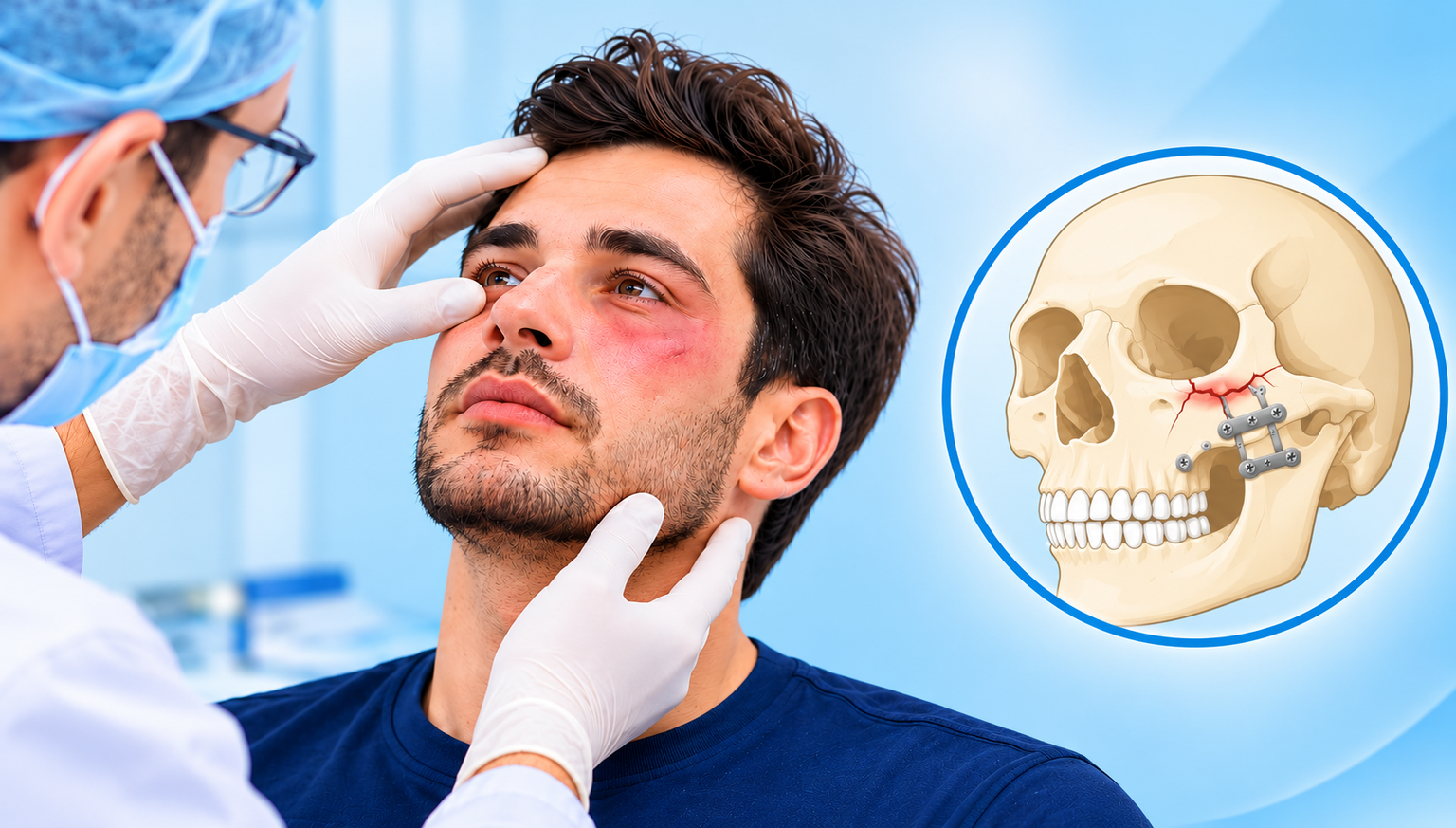
Facial injuries caused by road accidents, falls, sports injuries or physical trauma can damage the bones and soft tissues of the face. Depending on the severity, these injuries may affect facial appearance, jaw movement, chewing, speaking, breathing, and even vision. In such situations, timely diagnosis and appropriate treatment are important to prevent complications and support proper healing.
Facial fracture reconstruction is a specialised treatment used to repair broken or displaced facial bones, restore facial structure and improve normal facial function. Depending on the type of injury, treatment may involve fracture realignment, surgical plates and screws, bone grafting or advanced reconstructive procedures.
If you are looking for facial fracture reconstruction in Delhi, understanding the causes, symptoms, available surgical options, recovery process and treatment cost can help you make an informed decision.
Dr. Anubhav Gupta specializes in hand, brachial plexus and reconstructive surgery. Patients exploring reconstructive treatment can learn about suitable surgical options through a comprehensive medical evaluation and personalised specialist consultation.
What Is Facial Fracture Reconstruction? Facial fracture reconstruction is a surgical procedure performed to repair damaged, broken or displaced bones of the face following an accident or traumatic injury. The main objective is to restore the normal position of facial bones, improve facial symmetry and maintain essential functions. Facial bones play an important role in supporting the eyes, nose, jaw and other facial structures. A serious injury can disturb their alignment and affect surrounding nerves, blood vessels, teeth and soft tissues. Depending on the location and severity of the fracture, facial bone reconstruction may involve: Repositioning broken facial bones. Stabilising fractured bones with surgical plates and screws. Repairing displaced jawbones and cheekbones. Reconstructing damaged facial structures. Using bone grafts when significant bone loss is present. Addressing associated soft-tissue injuries when required. Not every facial fracture requires surgery. Minor, non-displaced fractures may be managed without an operation, while complex or displaced injuries may require surgical treatment.
What Are the Common Causes of Facial Fractures?
Facial fractures usually occur when a strong impact damages one or more bones of the face. Road accidents are a common cause, but several other incidents can also result in facial trauma.
Common causes include:
Road traffic accidents: Motorcycle, car and two-wheeler accidents can cause serious injuries to the jaw, cheekbones, nose and eye socket.
Falls and accidental injuries: Falling from stairs, buildings or other heights may result in facial bone fractures.
Sports injuries: Contact sports and accidental collisions can damage facial bones.
Physical assault: Direct blows to the face may cause fractures and soft-tissue damage.
Workplace accidents: Industrial injuries and heavy equipment accidents can cause significant facial trauma.
Bicycle accidents: Direct facial impact during cycling accidents can lead to nasal, orbital or jaw fractures.
Early medical assessment is important because some facial fractures may involve underlying eye, dental, neurological or head injuries.
What Are the Symptoms of Facial Fractures?
The symptoms of a facial fracture depend on which bone is affected and how severe the injury is. Some symptoms appear immediately after an accident, while others become noticeable as swelling reduces.
Common signs and symptoms include:
-
Swelling and bruising around the face.
-
Pain or tenderness near the injured bone.
-
Visible facial deformity or asymmetry.
-
Difficulty opening or closing the mouth.
-
Difficulty chewing or speaking.
-
Changes in the alignment of teeth.
-
Bleeding from the nose or mouth.
-
Numbness in the cheeks, lips or chin.
-
Double vision or restricted eye movement.
-
Difficulty breathing through the nose.
When to seek emergency care: Vision changes, difficulty breathing, uncontrolled bleeding, confusion, loss of consciousness or suspected serious head injury require immediate emergency medical attention.
At our hand surgery clinic, skilled Plastic and Hand Surgeons restore hand strength, flexibility, and function with advanced techniques. Led by Dr. Anubhav Gupta, the Best Hand Surgeon in Delhi, we treat nerve injuries, brachial plexus palsy, fractures, and deformities. Trusted as the Best Hand Surgeon in India and your expert Hand Doctor Near Me
Brachial plexus is a vital nerve network that controls movement and sensation in the shoulder, arm & hand. Injury may cause weakness or paralysis. Dr. Anubhav Gupta is one of the best brachial plexus surgeon in Delhi, offering advanced brachial plexus injury treatment & recovery care at one of the best brachial plexus clinic in Delhi
At Dr. Anubhav Gupta’s practice, we believe in a comprehensive and patient-centric approach to breast surgery in Delhi. Our focus is on accurate diagnosis, personalized treatment plans, and advanced surgical techniques tailored to each patient’s unique needs. Whether it’s cosmetic breast enhancement, breast reconstruction, or corrective procedures, we prioritize patient safety, natural results, and a smooth recovery.
Types of Facial Fractures That May Require Surgery
Different facial bones can be affected during an accident. Identifying the exact fracture is essential for selecting the appropriate facial fracture treatment.
1. Mandibular Fracture (Lower Jaw Fracture)
A mandibular fracture occurs when the lower jawbone breaks following an accident or direct impact. It may affect chewing, speaking and the normal alignment of the teeth.
Common symptoms include:
-
Jaw pain and swelling.
-
Difficulty chewing food.
-
Restricted mouth opening.
-
Changes in bite alignment.
-
Loose or damaged teeth.
Depending on the severity, treatment may involve observation, closed reduction or open reduction and internal fixation (ORIF).
2. Maxillary Fracture (Upper Jaw Fracture)
A maxillary fracture affects the upper jawbone, which supports the upper teeth and contributes to the structure of the middle face.
Severe injuries may affect the cheekbones, nasal structures and surrounding facial tissues.
Treatment depends on the fracture pattern and may require surgical repositioning and stabilisation of the affected bones.
3. Zygomatic Fracture (Cheekbone Fracture)
The zygomatic bone forms the prominent structure of the cheek. A cheekbone fracture can occur after road accidents, falls or direct facial trauma.
Common symptoms include:
-
Swelling around the cheek.
-
Facial flattening or asymmetry.
-
Pain around the cheekbone.
-
Numbness in the cheek or upper lip.
-
Difficulty opening the mouth in some cases.
Displaced cheekbone fractures may require surgical realignment to restore facial structure.
4. Orbital Fracture (Eye Socket Fracture)
An orbital fracture involves the bones surrounding the eye. It may affect eye movement, vision and the position of the eyeball.
Possible symptoms include:
-
Double vision.
-
Swelling and bruising around the eye.
-
Pain during eye movement.
-
Restricted eye movement.
-
Changes in the position of the eyeball.
Some orbital fractures require surgery, particularly when there is muscle entrapment, significant displacement or functional impairment. Any visual disturbance after an accident should be assessed urgently.
5. Nasal Bone Fracture
A nasal fracture occurs when the bones forming the nose become broken or displaced due to an injury.
Common symptoms include nasal swelling, bleeding, pain, difficulty breathing and changes in the shape of the nose.
Treatment may involve observation or nasal fracture reduction, depending on the displacement and associated injuries.
Facial Fracture Reconstruction Treatment Options
The right treatment for facial fractures depends on the location of the injury, the extent of bone displacement, surrounding tissue damage and the patient’s overall health.
A specialist may recommend non-surgical treatment or different surgical techniques depending on the diagnosis.
1. Conservative Treatment for Minor Facial Fractures
Conservative treatment may be suitable for selected minor or non-displaced facial fractures where the bones remain properly aligned.
It may include:
-
Medical observation and regular follow-up.
-
Prescribed pain relief and medication.
-
Soft or liquid food when recommended.
-
Activity restrictions.
-
Oral hygiene and wound care.
-
Follow-up examinations and imaging.
The objective is to allow the fractured bone to heal naturally while monitoring for complications.
2. Closed Reduction of Facial Fractures
Closed reduction is a technique used to reposition fractured bones without surgically exposing the fracture site through an incision.
The surgeon carefully realigns the bones using appropriate techniques. It may be suitable for selected nasal, jaw or other facial fractures.
Additional stabilisation may be required to maintain proper alignment during the healing process.
3. Open Reduction and Internal Fixation (ORIF)
Open reduction and internal fixation is an important surgical technique used for displaced or complex facial bone fractures.
During the procedure:
-
The surgeon makes an incision to access the affected facial bone.
-
The fractured bone fragments are carefully repositioned.
-
Small surgical plates and screws are used to stabilise the bones.
-
The surgical incision is closed.
-
The patient receives post-operative monitoring and recovery instructions.
Titanium plates and screws are commonly used in facial fracture fixation because they provide stability during bone healing.
ORIF may be recommended for selected mandibular, maxillary, zygomatic and other facial fractures.
4. Bone Grafting and Advanced Facial Reconstruction
Severe accidents can sometimes cause significant bone loss or damage to the facial structure. In these cases, bone grafting and reconstructive surgery may be considered.
Bone grafting involves using suitable bone tissue to repair or rebuild areas where natural bone is missing or damaged.
It may be required when:
-
Significant facial bone loss has occurred.
-
The damaged structure cannot be restored through fixation alone.
-
Complex facial injuries have created structural defects.
-
Previous trauma or surgery has resulted in bone defects.
The choice of grafting technique depends on the injury, available tissue and reconstructive requirements.
How Is Facial Fracture Reconstruction Surgery Performed?
Facial fracture reconstruction surgery is planned according to the patient’s medical condition, CT scan findings and the complexity of the injury.
The treatment process generally involves the following stages.
Step 1: Physical Examination and Medical Assessment
The doctor examines the injured area, checks facial symmetry and evaluates important functions such as jaw movement, sensation, eye movement and breathing.
Associated head, dental and soft-tissue injuries are also assessed.
Step 2: CT Scan and Diagnostic Imaging
Imaging investigations help identify the exact location and severity of facial fractures.
Common diagnostic tests include:
-
CT scan of facial bones.
-
3D CT reconstruction for complex injuries when needed.
-
X-rays for selected fractures.
-
Dental imaging for jaw and tooth-related injuries.
-
Eye and neurological assessments when indicated.
A CT scan is particularly useful for understanding complex facial fractures and planning surgical reconstruction.
Step 3: Individualised Treatment Planning
After reviewing the examination and imaging results, the surgical team decides whether non-surgical treatment or surgery is necessary.
The treatment plan may involve fracture reduction, internal fixation, bone grafting or other reconstructive procedures.
Step 4: Facial Fracture Surgery
When surgery is required, the procedure is generally performed under anaesthesia.
The surgeon accesses the affected bone, repositions the fractured segments and stabilises them using suitable fixation materials.
The surgical approach varies according to the affected facial bone and the extent of the injury.
Step 5: Post-Operative Care and Follow-Up
After surgery, patients are monitored for pain, swelling, bleeding and other possible complications.
Follow-up appointments help assess bone healing, facial movement, bite alignment and overall recovery.
Facial Fracture Reconstruction Cost in Delhi
One of the most common questions patients have is: What is the cost of facial fracture reconstruction in Delhi?
The cost of facial fracture surgery depends on the type of fracture, number of affected facial bones, complexity of the operation, hospital facilities and surgical materials used.
As a broad indicative estimate, facial fracture treatment and reconstruction may cost approximately ₹40,000 to ₹2,50,000 or more in Delhi. Extensive reconstructive surgery involving multiple facial bones, bone grafting or complex injuries may cost significantly more.
Estimated Cost of Facial Fracture Surgery in Delhi
| Treatment type | Indicative cost |
|---|---|
| Minor facial fracture management | ₹20,000–₹50,000 |
| Simple facial fracture repair | ₹40,000–₹80,000 |
| Jaw fracture fixation surgery | ₹50,000–₹1,50,000 |
| Cheekbone fracture repair | ₹60,000–₹1,50,000 |
| Orbital fracture repair | ₹60,000–₹1,50,000 |
| Complex facial fracture reconstruction | ₹1,50,000–₹2,50,000+ |
| Extensive facial bone reconstruction | May exceed ₹2,50,000 |
Factors That Affect Facial Reconstruction Surgery Cost
Several factors can influence the overall facial fracture treatment cost.
-
Type of facial fracture: Jaw, cheekbone, orbital and multiple facial fractures require different treatment approaches.
-
Severity of injury: Displaced and complex fractures may require advanced surgical procedures.
-
Surgical technique: Closed reduction, ORIF and bone grafting involve different treatment requirements.
-
Surgical materials: Plates, screws and other fixation devices can influence expenses.
-
Hospital facilities: Operating theatre, room charges and medical care vary between hospitals.
-
Anaesthesia: Anaesthesia-related services contribute to the overall treatment cost.
-
Additional injuries: Associated dental, eye, nerve or soft-tissue injuries may require further treatment.
-
Post-operative care: Medicines, follow-up visits and additional investigations may add to the total expense.
For an accurate estimate of facial fracture reconstruction cost in Delhi, a specialist consultation and review of relevant imaging reports are necessary.
Recovery After Facial Fracture Reconstruction Surgery
Recovery after facial fracture surgery varies from patient to patient. It depends on the number of fractured bones, surgical technique, injury severity and the patient’s general health.
Some patients recover within a few weeks, while complex facial reconstruction may require several months of healing.
Facial Fracture Surgery Recovery Timeline
| Recovery stage | Expected progress |
|---|---|
| First 1–2 weeks | Swelling, bruising and discomfort gradually begin to improve. |
| 2–4 weeks | Initial healing continues, and daily activities may gradually increase as advised. |
| 4–6 weeks | Many fractures show substantial healing, depending on the injury. |
| 6–12 weeks | Further bone healing and functional recovery continue. |
| Following months | Residual swelling, numbness or other symptoms may continue to improve. |
These timelines are approximate. Recovery can take longer following complex facial fractures or injuries involving multiple structures.
Tips for Faster and Safer Recovery
Following the surgeon’s instructions is important for proper bone healing and reducing the risk of complications.
General recovery recommendations include:
-
Take prescribed medicines as directed.
-
Attend all scheduled follow-up appointments.
-
Follow dietary instructions, including a soft diet if recommended.
-
Maintain proper oral hygiene after jaw surgery.
-
Avoid smoking during the healing period.
-
Avoid strenuous exercise and contact sports until medically cleared.
-
Protect the injured area from further impact.
-
Report fever, increasing pain, unusual discharge or worsening swelling to the treating doctor.
Risks and Possible Complications of Facial Fracture Surgery
Facial fracture reconstruction is performed to restore bone alignment and function, but like other surgical procedures, it can involve certain risks.
Possible complications include:
-
Infection and bleeding.
-
Persistent swelling or discomfort.
-
Facial numbness or altered sensation.
-
Visible scars.
-
Changes in facial symmetry.
-
Jaw movement or bite alignment problems.
-
Delayed bone healing.
-
Improper bone alignment.
-
Problems involving surgical plates or screws.
-
Persistent double vision or other eye-related complications.
The risk of complications depends on the severity of the injury, surgical technique and individual medical condition. Appropriate surgical planning and regular post-operative monitoring are important.
Why Choose Dr. Anubhav Gupta for Facial Fracture Reconstruction in Delhi?
Dr. Anubhav Gupta specialises in reconstructive surgery, offering treatments for facial fractures, brachial plexus injuries, nerve injuries, tendon transfers and complex hand conditions. Recognised as a best hand surgeon in Delhi, he focuses on individualised treatment planning to help restore function, movement and structural balance..
Conclusion
Facial fractures require timely diagnosis and appropriate treatment to restore facial structure, symmetry and function. Understanding facial fracture reconstruction in Delhi, treatment options, surgery costs and recovery helps patients make informed decisions. Dr. Anubhav Gupta specializes in reconstructive surgery and can guide patients regarding suitable treatment approaches following a detailed medical evaluation.
Book a Consultation
It’s easy and free!