When an injury or nerve damage causes the muscles in your hand, wrist, thumb, or foot to stop working properly, tendon transfer surgery can help restore movement and improve function. This advanced orthopedic and hand surgery procedure enables patients to regain the ability to perform everyday tasks that were previously difficult or impossible.If you're looking …

When an injury or nerve damage causes the muscles in your hand, wrist, thumb, or foot to stop working properly, tendon transfer surgery can help restore movement and improve function. This advanced orthopedic and hand surgery procedure enables patients to regain the ability to perform everyday tasks that were previously difficult or impossible.
If you’re looking for the best hand surgeon in Delhi for tendon transfer surgery, Dr. Anubhav Gupta is recognized for his expertise in treating complex hand injuries, nerve palsy, tendon injuries, and reconstructive hand surgery using modern surgical techniques and personalized rehabilitation plans.
This guide explains everything you need to know about tendon transfer surgery, including the procedure, benefits, recovery timeline, risks, cost, and why choosing an experienced surgeon is essential for successful results.
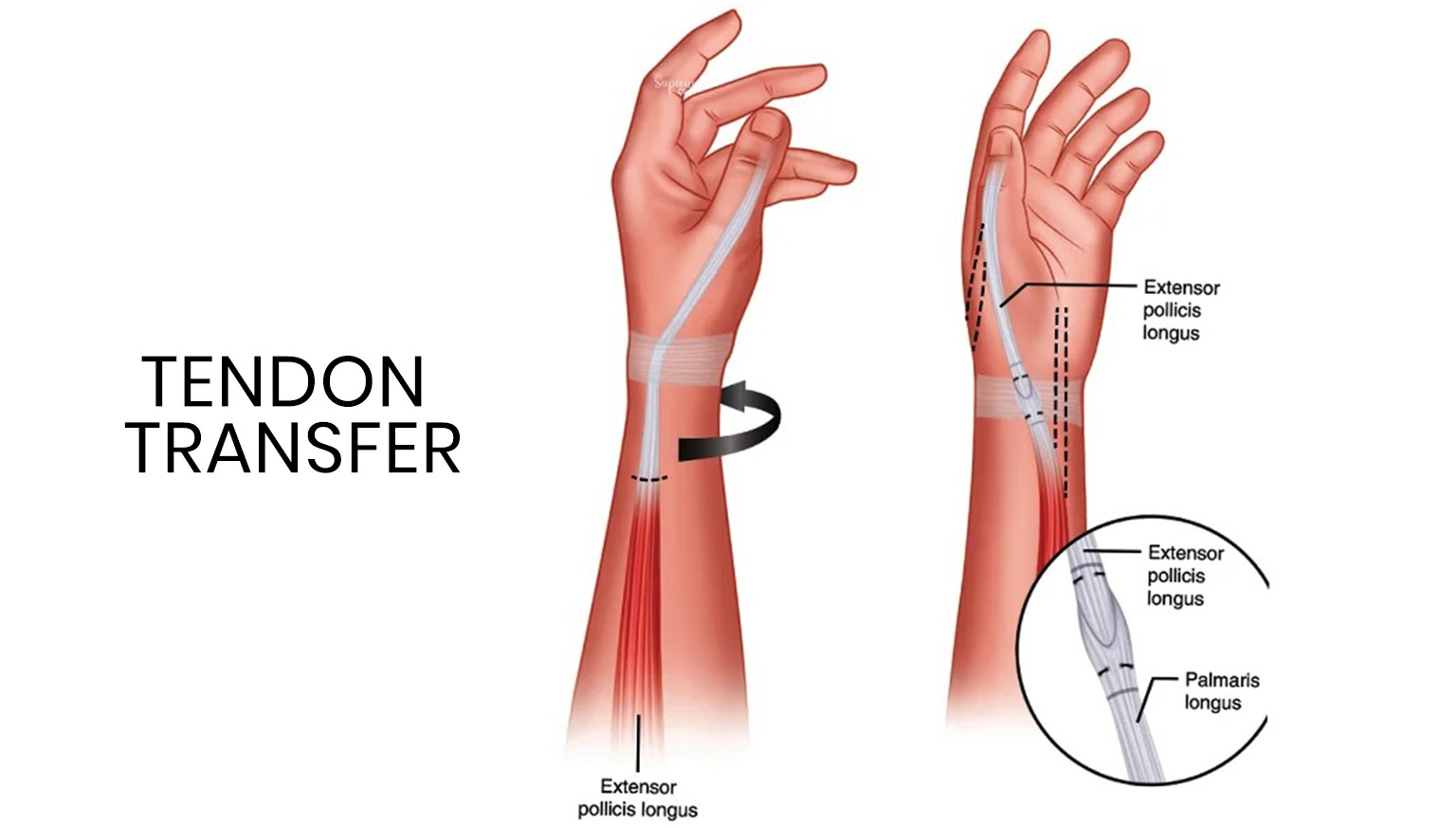
What Is Tendon Transfer Surgery? Tendon transfer surgery is a reconstructive surgical procedure in which a healthy, functioning tendon is moved from one muscle to replace the function of a damaged or paralyzed tendon. The transferred tendon is attached to a new location so it can perform the action that the injured tendon or muscle can no longer accomplish. The primary goal of tendon transfer surgery is to: Restore lost movement Improve hand, wrist, thumb, or foot function Increase strength Enhance independence in daily activities Improve overall quality of life This procedure is commonly performed by a hand surgeon or orthopedic hand specialist with expertise in reconstructive surgery.
Who Needs Tendon Transfer Surgery?
Tendon transfer surgery is recommended for patients experiencing permanent muscle weakness or paralysis caused by nerve injuries or tendon damage.
Common conditions include:
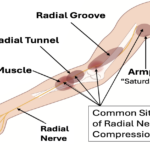
- Radial nerve palsy
- Ulnar nerve palsy
- Median nerve palsy
- Brachial plexus injury
- Tendon rupture
- Severe hand trauma
- Wrist drop
- Foot drop
- Thumb paralysis
- Birth-related nerve injuries
- Failed tendon repair surgery
- Complex hand injuries
- Peripheral nerve injuries
Patients who cannot restore movement with medication or physiotherapy may benefit from tendon transfer surgery after a detailed evaluation.
Signs You May Need Tendon Transfer Surgery
Consult a hand surgery specialist in Delhi if you experience:
- Difficulty lifting your wrist
- Inability to straighten fingers
- Loss of thumb movement
- Weak hand grip
- Finger deformity
- Wrist drop
- Foot drop
- Muscle paralysis after injury
- Persistent weakness after nerve injury
- Difficulty performing daily activities
- Early diagnosis often leads to better surgical outcomes.
How Does Tendon Transfer Surgery Work?
The procedure involves selecting a healthy tendon that performs a less critical function and transferring it to replace the damaged tendon.
The surgical process typically includes:
1. Clinical Evaluation
Your surgeon evaluates:
- Muscle strength
- Tendon function
- Joint mobility
- Nerve function
- Overall hand condition
2. Surgical Planning
The surgeon carefully identifies:
- Donor tendon
- Recipient tendon
- Muscle balance
- Functional goals
3. Tendon Transfer Procedure
During surgery:
- A healthy tendon is detached.
- It is redirected through the hand or forearm.
- The tendon is attached to restore lost movement.
- The hand is positioned for optimal healing.
- Most procedures are performed under regional or general anesthesia.
4. Immobilization
After surgery:
- A splint or cast protects the repaired tendon.
- Movement is temporarily restricted.
5. Hand Rehabilitation
Rehabilitation is one of the most important parts of recovery.
Patients undergo:
- Hand therapy
- Finger exercises
- Strength training
- Range-of-motion exercises
- Functional rehabilitation
At our hand surgery clinic, skilled Plastic and Hand Surgeons restore hand strength, flexibility, and function with advanced techniques. Led by Dr. Anubhav Gupta, the Best Hand Surgeon in Delhi, we treat nerve injuries, brachial plexus palsy, fractures, and deformities. Trusted as the Best Hand Surgeon in India and your expert Hand Doctor Near Me
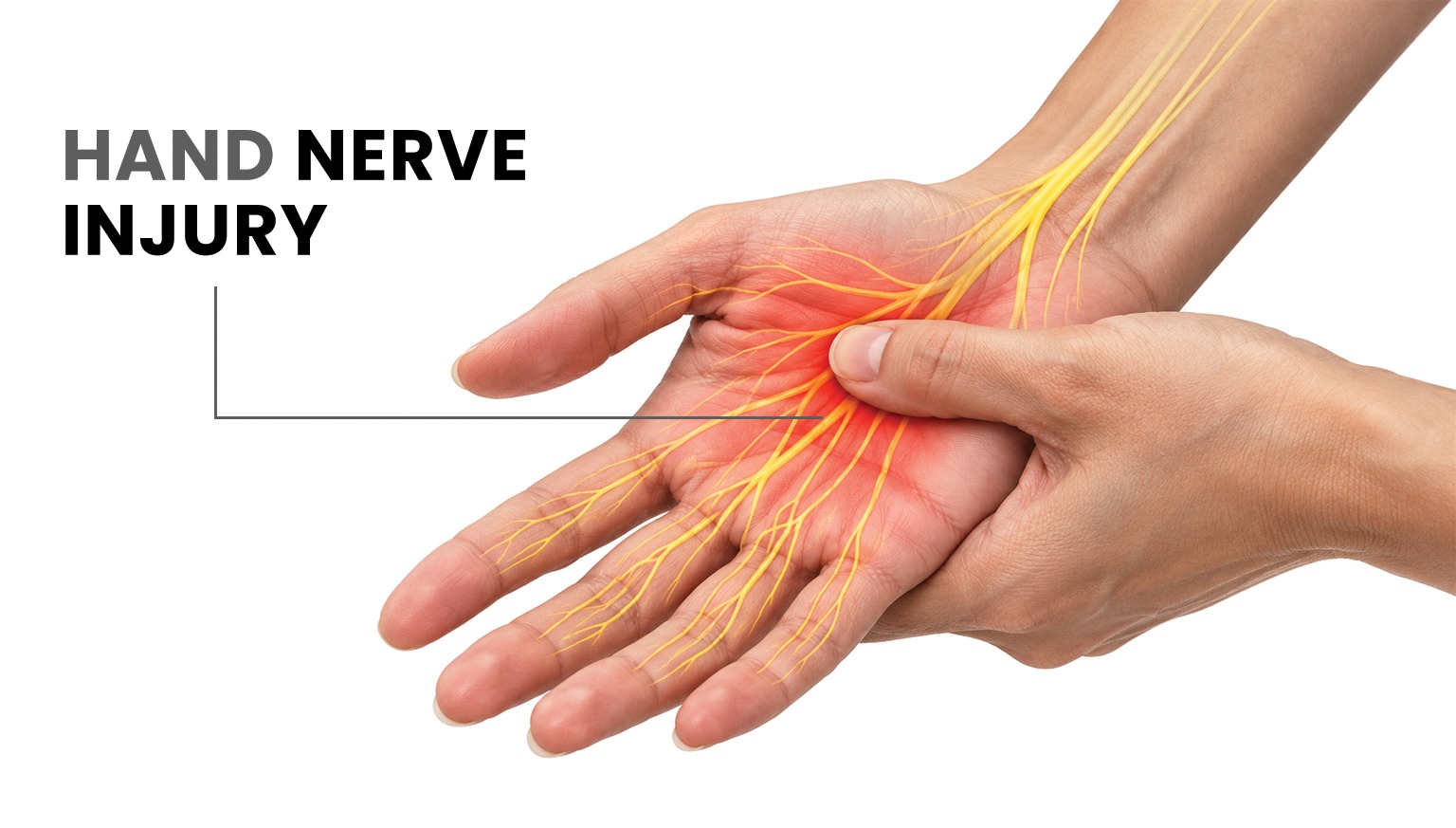
Brachial plexus is a vital nerve network that controls movement and sensation in the shoulder, arm & hand. Injury may cause weakness or paralysis. Dr. Anubhav Gupta is one of the best brachial plexus surgeon in Delhi, offering advanced brachial plexus injury treatment & recovery care at one of the best brachial plexus clinic in Delhi
At Dr. Anubhav Gupta’s practice, we believe in a comprehensive and patient-centric approach to breast surgery in Delhi. Our focus is on accurate diagnosis, personalized treatment plans, and advanced surgical techniques tailored to each patient’s unique needs. Whether it’s cosmetic breast enhancement, breast reconstruction, or corrective procedures, we prioritize patient safety, natural results, and a smooth recovery.
Common Types of Tendon Transfer Surgery
Depending on the condition, tendon transfer surgery may be performed for:
Radial Nerve Palsy
Restores wrist and finger extension.
Ulnar Nerve Palsy
Improves finger coordination and grip strength.
Median Nerve Palsy
Restores thumb movement and pinch strength.
Tendon Transfer for Foot Drop
Improves walking ability and ankle movement.
Tendon Transfer After Hand Trauma
Restores hand function following severe injuries.
Benefits of Tendon Transfer Surgery
Successful tendon transfer surgery offers several advantages.
Benefits include:
- Restores hand movement
- Improves grip strength
- Corrects wrist drop
- Restores thumb function
- Improves finger movement
- Enhances independence
- Reduces disability
- Better quality of life
- Long-lasting functional improvement
- High patient satisfaction when combined with rehabilitation
Risks of Tendon Transfer Surgery
Like any surgical procedure, tendon transfer surgery carries certain risks.
Possible complications include:
- Infection
- Bleeding
- Stiffness
- Tendon rupture
- Scar formation
- Weakness
- Limited motion
- Failure of tendon healing
- Nerve irritation
- Delayed recovery
Choosing an experienced hand surgeon in Delhi significantly reduces these risks.
Tendon Transfer Surgery Recovery Timeline
Recovery varies depending on the condition and rehabilitation.
First 2 Weeks
- Pain and swelling gradually decrease.
- Splint remains in place.
- Wound care continues.
Weeks 3–6
- Controlled hand therapy begins.
- Gentle movement exercises are introduced.
Weeks 6–12
- Strengthening exercises start.
- Functional hand use gradually improves.
3–6 Months
Most patients regain useful movement.
Daily activities become easier.
6–12 Months
Maximum improvement is usually achieved with consistent rehabilitation.
Physiotherapy After Tendon Transfer Surgery
Rehabilitation plays a vital role in achieving the best outcome.
Your therapist may recommend:
- Finger mobility exercises
- Tendon gliding exercises
- Grip strengthening
- Wrist strengthening
- Fine motor training
- Functional activity training
- Scar management
- Home exercise programs
Following your rehabilitation plan consistently is essential for long-term success.
Tendon Transfer Surgery Success Rate
The success of tendon transfer surgery depends on:
- Correct diagnosis
- Type of nerve injury
- Overall muscle health
- Surgical technique
- Patient motivation
- Physiotherapy compliance
- Experience of the surgeon
With proper patient selection and rehabilitation, many patients experience significant improvements in movement and function.
Tendon Transfer Surgery Cost in Delhi
The average cost of tendon transfer surgery in Delhi generally ranges between ₹60,000 and ₹2,50,000. The final cost depends on the complexity of the condition, the number of tendons involved, the surgeon’s experience, the hospital, and post-operative rehabilitation.
Why Choose Dr. Anubhav Gupta for Tendon Transfer Surgery in Delhi?
Choosing an experienced hand surgeon can make a significant difference in surgical outcomes.
Dr. Anubhav Gupta is regarded as one of the best hand surgeons in Delhi, offering advanced treatment for:
- Tendon transfer surgery
- Hand trauma
- Peripheral nerve injuries
- Wrist injuries
- Finger injuries
- Nerve palsy
- Tendon repair
- Reconstructive hand surgery
- Microsurgery
- Congenital hand deformities
Why patients choose Dr. Anubhav Gupta:
- Specialized expertise in hand and microsurgery
- Personalized treatment plans
- Advanced surgical techniques
- Focus on restoring hand function
- Comprehensive rehabilitation guidance
- Patient-centered care
- Commitment to achieving optimal functional outcomes
Conclusion
Tendon transfer surgery is a highly effective reconstructive procedure for restoring movement and improving quality of life in patients with nerve injuries, tendon damage, and hand paralysis. When performed by an experienced specialist and followed by dedicated rehabilitation, it can significantly enhance hand function, grip strength, and independence.
If you are experiencing wrist drop, hand weakness, nerve palsy, or loss of finger or thumb movement, consulting Dr. Anubhav Gupta, one of the best hand surgeons in Delhi, can help you understand your treatment options and determine whether tendon transfer surgery is the right solution for your condition.
Book a Consultation
It’s easy and free!